Durable Commercial Flooring Materials for Warehouse Environments
Introduction
Warehouses are among the most demanding environments for commercial flooring. Constant forklift traffic, heavy pallet loads, chemical exposure, and tight operational schedules place continuous stress on floor systems. Selecting the right durable commercial flooring is not just a construction decision, it is an operational one that directly affects safety, efficiency, maintenance costs, and long-term performance.
At Axis Interior Systems, warehouse flooring is approached with a performance-first mindset. Every material choice is evaluated against load requirements, traffic patterns, environmental conditions, and maintenance expectations. When flooring fails in a warehouse, it disrupts workflows, damages equipment, and increases liability. The right flooring system prevents these issues before they occur.
Why Warehouse Flooring Requires a Specialized Approach
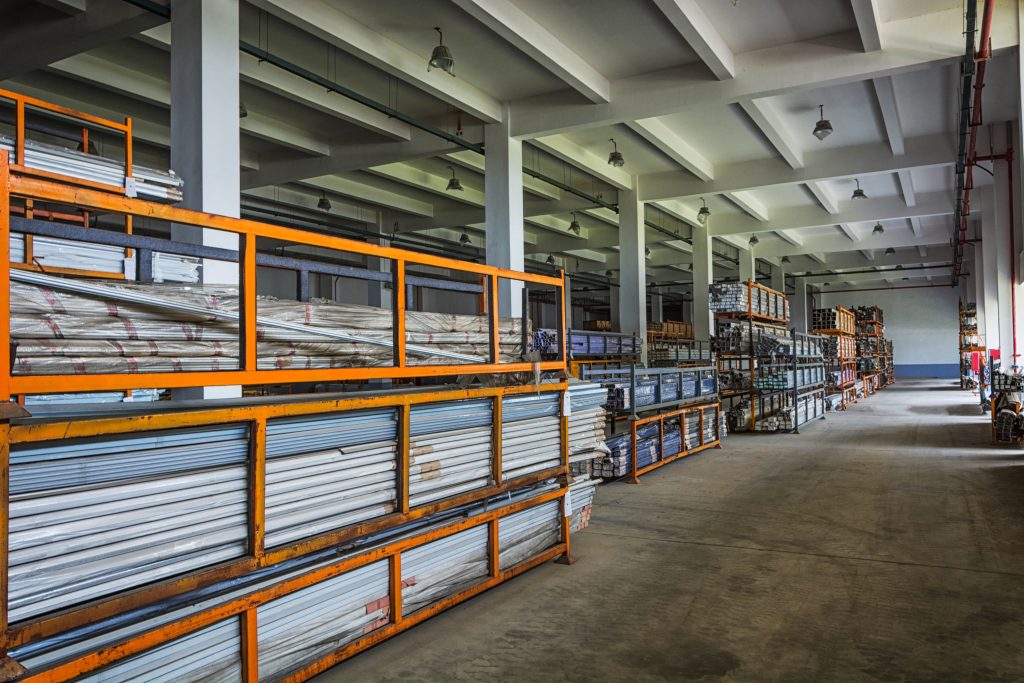
Unlike offices or retail environments, warehouses demand flooring that can handle extreme wear without compromising safety. Pallet jacks, reach trucks, automated guided vehicles, and heavy racking systems all exert repeated pressure on the floor surface. Standard commercial flooring solutions are rarely sufficient in these conditions.
Durable commercial flooring materials must provide compressive strength, abrasion resistance, and chemical durability. They must also maintain flatness and traction to support material handling operations. Professional commercial floor contractors evaluate these factors during planning to avoid premature failures and costly repairs.
Warehouses that attempt to reduce costs by installing under-specified flooring often face cracking, delamination, surface dusting, or moisture-related breakdowns within a few years. These failures are far more expensive to correct than selecting the right flooring system from the beginning.
Key Performance Requirements for Warehouse Flooring
Before choosing materials, it is essential to understand what warehouse flooring must accomplish. Durability alone is not enough. A successful system balances strength, safety, and maintainability.
Load-bearing capacity is critical. Floors must support static loads from racking systems and dynamic loads from moving equipment. Surface hardness and impact resistance prevent damage from dropped materials and repeated wheel traffic.
Slip resistance is another priority. Warehouses often deal with spills, condensation, or tracked-in moisture. Flooring must maintain traction without creating excessive surface texture that traps dirt or complicates cleaning.
Ease of maintenance also matters. Warehouses operate on tight schedules, and downtime for repairs is costly. Durable flooring systems reduce maintenance frequency and allow spot repairs instead of full replacements.
Epoxy Flooring Systems for Warehouses
Commercial epoxy flooring remains one of the most widely used solutions for warehouse environments. Epoxy flooring services provide a seamless, high-strength surface that resists abrasion, chemicals, and heavy traffic.
Epoxy floor coating for concrete bonds directly to prepared substrates, creating a durable surface that reduces dusting and improves light reflectivity. This enhanced brightness can improve visibility and reduce lighting costs in large facilities.
Epoxy systems are often customized with slip-resistant additives or thickness variations to match specific operational needs. While epoxy is highly durable, proper surface preparation is essential. Moisture testing, shot blasting, and substrate repairs must be completed by experienced commercial floor installers to ensure long-term performance.
Polyurethane and Resin Flooring Solutions
Polyurethane concrete floor coating systems are commonly used in warehouses where flexibility and chemical resistance are priorities. Unlike epoxy, polyurethane flooring can absorb slight substrate movement, making it suitable for environments with temperature fluctuations.
Resin flooring systems combine durability with resilience, providing excellent resistance to impact, thermal shock, and aggressive cleaning agents. These systems are often used in food distribution centers, cold storage facilities, and manufacturing warehouses.
Professional floor installers evaluate whether epoxy, polyurethane, or hybrid resin systems are most appropriate based on environmental exposure and operational demands.
Polished Concrete for High-Traffic Warehouses
Polished concrete has gained popularity as a durable commercial flooring solution for warehouses seeking low maintenance and long service life. By mechanically grinding and densifying the concrete surface, polished concrete increases surface hardness and abrasion resistance.
This system eliminates the need for coatings that may wear over time. Polished concrete also improves light reflectivity, contributing to safer and more energy-efficient facilities.
However, polished concrete requires high-quality substrates and experienced installation. Flatness, joint condition, and curing history all influence performance. Commercial flooring contractors assess these factors before recommending polished concrete solutions.
Vinyl and Composite Flooring in Specialized Warehouse Areas
While hard coatings dominate warehouse floors, certain areas benefit from resilient materials. Commercial vinyl flooring and composite flooring systems are sometimes used in packing zones, offices within warehouses, or areas where employees stand for extended periods.
SPC flooring and WPC flooring offer dimensional stability and durability while providing more comfort underfoot than concrete or resin systems. These materials are not suitable for heavy equipment zones but can be effective in hybrid warehouse environments when installed strategically.
Commercial flooring installation in these areas requires careful transition planning to maintain safety and operational flow.
Moisture Considerations in Warehouse Flooring
Moisture is one of the most common causes of flooring failure in warehouse environments. Flooring basement areas or slab-on-grade facilities are particularly vulnerable to moisture vapor transmission.
Commercial epoxy flooring and resin systems must be compatible with moisture conditions. Vapor mitigation systems may be required to prevent blistering, delamination, or coating failure. Experienced commercial floor contractors conduct moisture testing and specify appropriate systems to manage these risks.
Ignoring moisture conditions can significantly shorten the lifespan of even the most durable flooring materials.
Safety and Compliance in Industrial Flooring
Warehouse flooring must comply with safety regulations and operational standards. Slip resistance, joint treatment, and surface consistency all contribute to safer environments for workers and equipment operators.
Professional commercial floor installers ensure compliance with industry standards and manufacturer requirements. This attention to detail reduces liability and supports long-term operational reliability.
Clear floor markings, integrated safety zones, and high-visibility coatings can also be incorporated into flooring systems to enhance workflow efficiency and safety.
Long-Term Value of Durable Flooring Systems
The true cost of warehouse flooring extends beyond initial installation. Maintenance, repairs, and operational disruptions all contribute to lifecycle costs. Durable commercial flooring materials reduce these expenses by extending service life and minimizing downtime.
Warehouses that invest in high-performance flooring systems often experience improved productivity, lower maintenance budgets, and fewer safety incidents. These benefits compound over time, delivering strong returns on investment.
Commercial flooring solutions should always be evaluated through a long-term lens rather than short-term cost savings.
Choosing the Right Commercial Flooring Partner
Installing durable warehouse flooring requires more than technical expertise. It demands coordination, planning, and accountability. Commercial floor contractors must work closely with operations teams to minimize disruption and align installation schedules with business needs.
Axis Interior Systems approaches warehouse flooring projects as partnerships. From evaluation and material selection to installation and post-installation support, every phase is coordinated to deliver reliable results.
Local experience, technical knowledge, and manufacturer relationships allow Axis to deliver commercial flooring solutions that perform under real-world warehouse conditions.
Final Thoughts on Warehouse Flooring Durability
Warehouses are the backbone of modern supply chains, and their flooring systems must support constant movement, heavy loads, and evolving operational demands. Durable commercial flooring materials are not optional; they are essential infrastructure.
Whether using epoxy flooring services, resin systems, polished concrete, or hybrid solutions, success depends on selecting the right system and installing it correctly. By working with experienced commercial flooring contractors, warehouse operators can protect their facilities, improve safety, and control long-term costs.
Durable flooring is not just about strength. It is about reliability, performance, and the confidence that your facility can operate without interruption day after day.