Durable Commercial Flooring Options for Warehouse Environment
Introduction
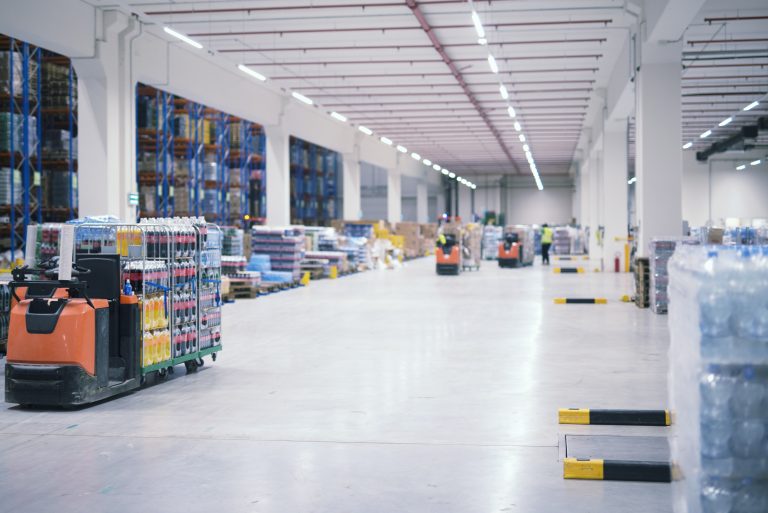
Warehouses are among the most demanding environments for commercial flooring. Constant forklift traffic, heavy pallet loads, chemical exposure, and tight schedules place continuous stress on floor systems. Selecting the right durable commercial flooring options is not just a construction decision. It directly affects safety, efficiency, maintenance costs, and long-term performance. When flooring fails in a warehouse, it disrupts workflows, damages equipment, and increases liability. The right flooring system prevents these issues before they occur.
Flooring also influences employee safety and productivity. Slippery or cracked surfaces increase accident risks, while smooth, durable floors improve efficiency. According to the National Safety Council, slips and trips account for nearly 15% of workplace injuries. Choosing flooring that reduces hazards is essential for warehouse success.
Polished Concrete Flooring: Industrial Strength
Polished concrete is one of the most common warehouse flooring choices. It offers unmatched durability and a sleek industrial look.
Benefits
Extremely durable, low maintenance, and resistant to heavy loads

Drawbacks
Hard underfoot and may require sealing for chemical resistance.

Best Use Cases
Large distribution centers, manufacturing plants, and high-traffic storage facilities.

Case Study: A logistics company in Ohio reported a 25% reduction in maintenance costs after switching to polished concrete. The flooring supported heavy forklift traffic without cracking, proving its long-term resilience.
Industry experts highlight polished concrete as a cost-effective solution. Its lifespan often exceeds 20 years with proper maintenance, making it a smart investment.
Epoxy Flooring: Chemical Resistance and Safety
Epoxy flooring is a popular choice for warehouses handling chemicals, oils, or sensitive inventory.
Benefits
Resistant to spills, customizable with safety markings, and easy to clean.

Drawbacks
Requires professional installation and periodic recoating.

Best Use Cases
Warehouses storing chemicals, food processing facilities, and pharmaceutical distribution centers.

Expert Quote: “Epoxy flooring provides both durability and safety. Its slip-resistant finish reduces accidents in high-risk areas,” notes a flooring consultant from Industrial Safety Journal.
Statistics show epoxy flooring reduces slip incidents by up to 40% in facilities with liquid exposure. Its ability to integrate safety striping directly into the floor enhances operational efficiency.
Vinyl Flooring: Versatility and Cost Efficiency
Benefits
Water-resistant, cost-effective, and available in multiple finishes.

Drawbacks
Less durable under extreme loads compared to concrete or epoxy.

Ideal Use Cases
Light-duty warehouses, administrative areas within warehouse facilities, and storage spaces with moderate traffic.

Scenario: A small distribution warehouse in Kentucky installed vinyl flooring in office zones. The flooring provided a professional look while reducing installation costs.
Vinyl remains a practical option for mixed-use facilities where warehouse and office spaces coexist. It balances aesthetics with affordability.
Rubber Flooring: Safety and Comfort
Rubber flooring emphasizes safety and comfort, particularly for employees working long hours.
Benefits
Slip-resistant, cushioned, and eco-friendly options available.

Drawbacks:
Limited design choices compared to vinyl or epoxy

Best Use Cases:
Loading docks, employee workstations, and areas requiring slip resistance..
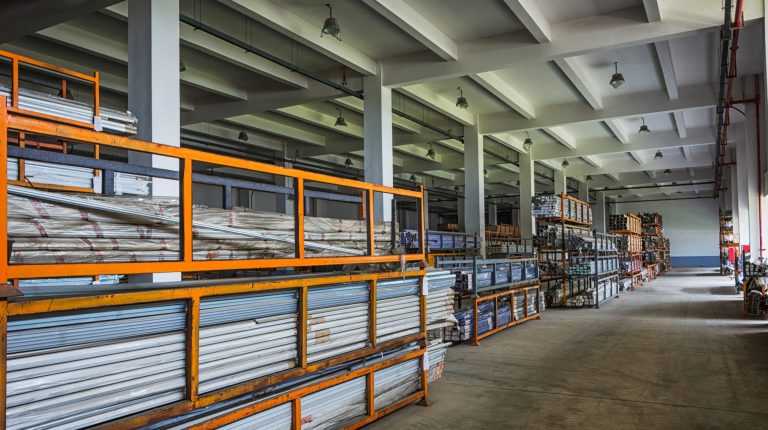
Example: A warehouse in Indiana installed recycled rubber flooring in loading zones. The flooring reduced slip incidents by 40%, improving workplace safety.
Rubber flooring also reduces fatigue for employees standing for extended periods. Its cushioning effect supports worker health and productivity.
Ceramic and Porcelain Tile: Clean and Professional
Ceramic and porcelain tiles are durable and easy to clean, making them suitable for specific warehouse areas.
Benefits
Moisture-resistant, long-lasting, and available in many styles.

Drawbacks
Hard surface reduces comfort and may crack under heavy loads.

Ideal Use Cases:
Kitchens, bathrooms, and administrative areas within warehouses.

Case Study: A food distribution warehouse used porcelain tiles in its staff cafeteria. The flooring maintained a spotless look despite heavy daily traffic.
Tiles are not ideal for heavy-duty zones but excel in areas requiring hygiene and easy cleaning.
Maintenance Tips for Warehouse Flooring
Proper maintenance extends flooring lifespan and ensures safety.
- Regular Cleaning: Sweep and mop daily to prevent dirt buildup.
- Protective Coatings: Apply sealants to concrete and epoxy for added durability.
- Scheduled Inspections: Identify wear early to prevent costly repairs.
- Professional Services: Hire experts for resurfacing or deep cleaning.
Example: A warehouse in Ohio scheduled quarterly inspections for its epoxy flooring. Early detection of wear reduced repair costs by 20%.
Maintenance is not optional in warehouses. Neglecting flooring care can lead to accidents, downtime, and expensive replacements.
Industry Insights and Expert Opinions
Experts emphasize that flooring choices should align with warehouse operations. Flooring suppliers highlight polished concrete and epoxy as top choices for durability and safety.
Statistics show that warehouses investing in durable flooring reduce maintenance costs by up to 30% annually. Case studies reveal that facilities choosing resilient flooring materials experience fewer accidents and improved productivity.
Authoritative sources like Occupational Safety and Health Administration (OSHA) recommend slip-resistant flooring in high-risk zones. Trustworthy suppliers such as Armstrong Flooring and Sherwin-Williams provide detailed guidelines on material performance.
Common Questions About Warehouse Flooring
What is the most durable warehouse flooring?
Polished concrete is considered the most durable option, lasting decades with minimal maintenance.
Which flooring is best for chemical resistance?
Epoxy flooring provides superior protection against spills and chemical exposure.
Is rubber flooring suitable for heavy loads?
Rubber flooring is ideal for safety zones but less effective under extreme pallet loads.
How often should warehouse flooring be inspected?
Experts recommend quarterly inspections to identify wear and prevent costly repairs.
Conclusion: Making the Right Flooring Choice
The best durable commercial flooring options for warehouse environments depend on specific operational needs. Polished concrete offers strength, epoxy provides chemical resistance, vinyl balances cost, rubber enhances safety, and tiles deliver cleanliness. Each option has distinct advantages and trade-offs.
Warehouse managers should evaluate traffic levels, load requirements, and safety standards before making a decision. Flooring is more than a surface—it’s part of the operational backbone. Choosing wisely improves efficiency, reduces costs, and enhances workplace safety.
Ready to upgrade your facility’s flooring? Contact Axis Interior Systems today to discuss a solution built for your space and performance needs.
Explore More Flooring Insights
Discover additional insights on commercial flooring systems, installation methods, and performance considerations across various industries.