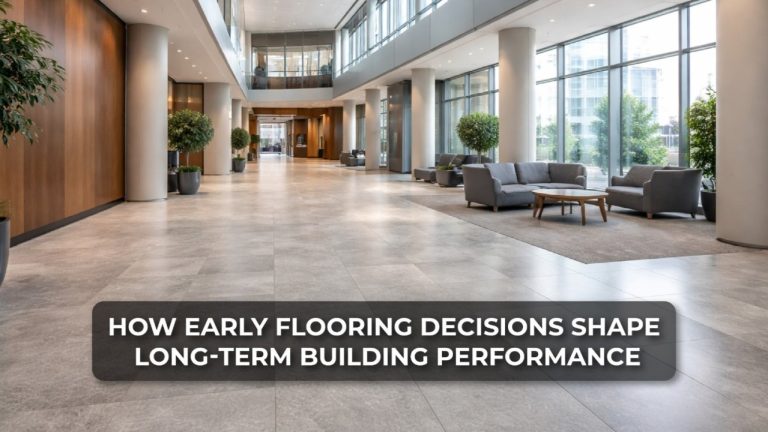
In many construction projects, flooring decisions are finalized toward the end of the design process. By that point, architectural concepts are largely established, materials are being specified, and construction timelines are beginning to tighten.
Because flooring is often perceived as a finishing element, it may not receive the same level of early planning attention as structural systems, mechanical infrastructure, or building envelope components.
However, once a building becomes operational, flooring quickly becomes one of the most heavily used systems within the environment.
Every day, it supports foot traffic, rolling equipment, furniture movement, cleaning routines, and environmental conditions that gradually affect performance. For building owners and facility leaders, flooring is not simply a surface — it is a long-term operational asset that influences maintenance, lifecycle cost, and occupant experience.
When flooring decisions are made early in the planning process, project teams can align materials, installation conditions, and maintenance strategies with the building’s long-term operational needs. When those decisions occur late in the process, facilities teams may inherit systems that are more difficult or costly to maintain over time.

Buildings are composed of interconnected systems that must work together throughout their lifecycle. Flooring is one of the few systems that interacts directly with both people and operations on a daily basis.
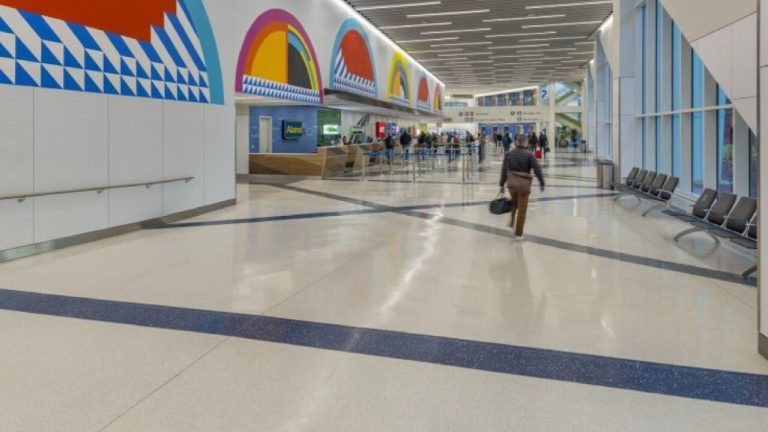
Corridors carry constant foot traffic. Entry areas experience weather-related wear. Workspaces see regular furniture movement and equipment use. Over time, these patterns create predictable stress on flooring materials.
When flooring is approached as a long-term building system rather than simply a finish, design teams begin to evaluate materials differently. Durability, maintenance requirements, and the ability to replace damaged areas become important considerations alongside aesthetics.
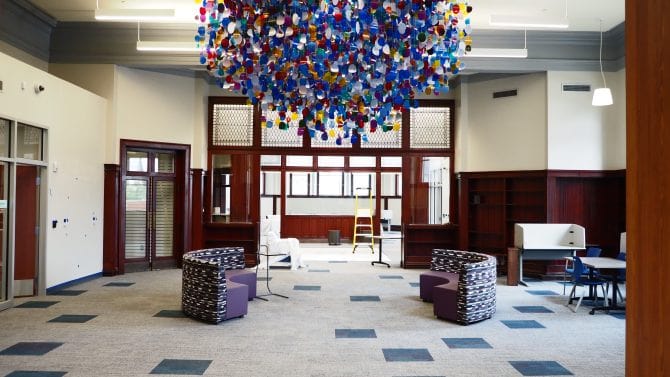
Many modern commercial flooring systems are designed with this lifecycle perspective in mind. Modular carpet tiles and commercial-grade luxury vinyl tile (LVT), for example, allow facilities teams to replace individual sections without removing an entire floor. Manufacturers such as Milliken Flooring have developed modular flooring systems specifically intended to support easier long-term maintenance and flexibility in commercial environments.
This type of approach allows buildings to adapt over time without requiring disruptive full-floor replacements.
Early planning allows project teams to evaluate flooring within the context of how the building will actually function once occupied.
This includes considering factors such as:
When these elements are considered early, flooring materials can be selected that support the building’s operational needs rather than simply meeting aesthetic goals.
Late-stage decisions often limit these options. By the time materials are being finalized, budget constraints, construction timelines, and procurement schedules can narrow the range of viable solutions.
For owners, this can result in flooring systems that perform well initially but become more challenging to maintain as the building ages.
Once construction is complete and occupants move into the space, the responsibility for maintaining the building shifts to facilities teams.
At that stage, flooring becomes a daily operational concern.
Routine cleaning, periodic maintenance, and occasional repairs are necessary to keep spaces functional and visually presentable. When flooring systems allow for targeted maintenance — such as replacing individual tiles or small sections — facilities teams can address wear without disrupting entire areas of the building.
Conversely, flooring systems that require full-area replacement often create logistical challenges.
Large replacement projects can involve moving furniture, temporarily relocating occupants, scheduling work outside normal operating hours, and coordinating multiple trades. These efforts can significantly increase the true cost of maintaining the building over time.
From a facilities management perspective, the ability to address wear incrementally is often one of the most valuable characteristics of a flooring system.
Consider a commercial office building where flooring decisions were finalized late in the design process.
The selected material complements the architectural design and meets budget expectations during construction. The space opens exactly as envisioned, and the flooring performs well initially.
Several years later, however, high-traffic zones near entrances, elevators, and central corridors begin to show visible wear. Because the flooring system was installed as a continuous surface, replacing damaged areas requires removing large sections of flooring rather than addressing localized issues.
This situation creates a difficult decision for the building owner.
Replacing the entire area may require temporarily closing parts of the facility, relocating occupants, and scheduling work during evenings or weekends to minimize disruption. The cost of labor, logistics, and lost productivity can significantly exceed the original installation cost.
Scenarios like this illustrate why early planning matters. When flooring systems are selected with lifecycle maintenance in mind, facilities teams gain more flexibility to manage wear and extend the life of the building’s interior environments.
Owners and asset managers increasingly evaluate building materials based on lifecycle performance rather than short-term cost alone.
Flooring decisions that account for long-term maintenance can help reduce unexpected repair expenses, extend replacement cycles, and minimize disruption to building occupants.
Questions that support this type of planning include:
Considering these factors early in the design process allows owners to align flooring decisions with the building’s broader asset management strategy.
Over time, this approach often leads to more predictable operational budgets and fewer unexpected facility disruptions.
At Axis Interior Systems, flooring is approached as part of the larger building performance conversation.
Rather than focusing solely on installation, the team works with project stakeholders to evaluate how flooring materials will function within the building’s operational environment over time.
This includes considering traffic patterns, maintenance expectations, and long-term durability requirements when planning flooring systems for commercial environments.
Axis also collaborates with leading manufacturers and industry partners whose products are designed to support lifecycle performance in demanding facilities. You can explore these relationships through our industry affiliations and vendor partnerships page.
By combining thoughtful planning with experienced installation practices, the goal is to ensure that flooring systems continue performing reliably long after construction is complete.
Discover additional insights on commercial flooring systems, installation methods, and performance considerations across various industries.
Copyright © 2026 IPRS Consultants. - All rights reserved.