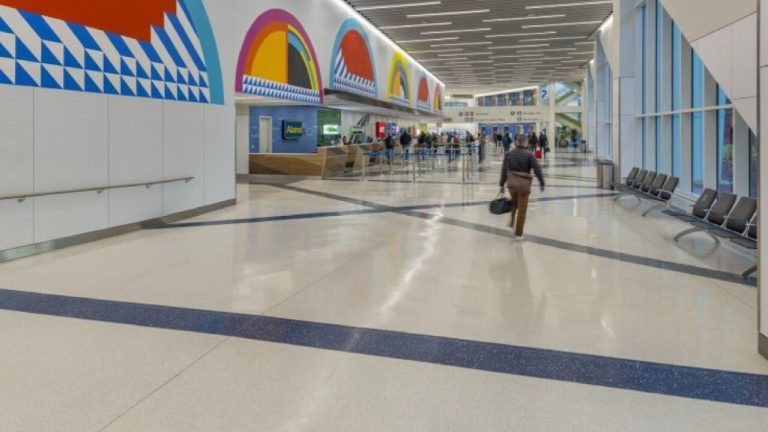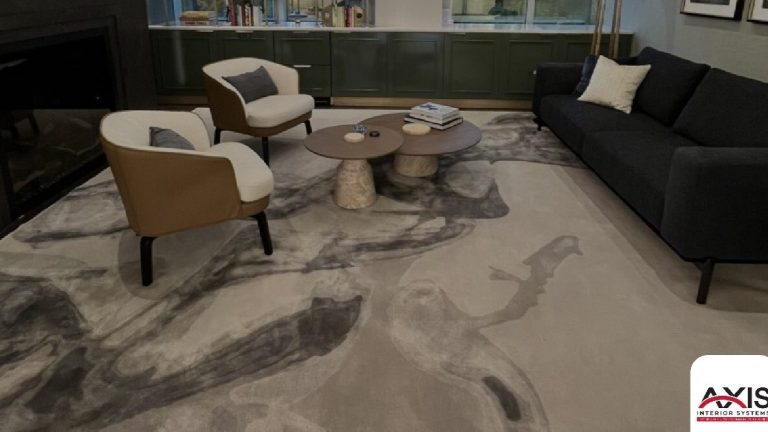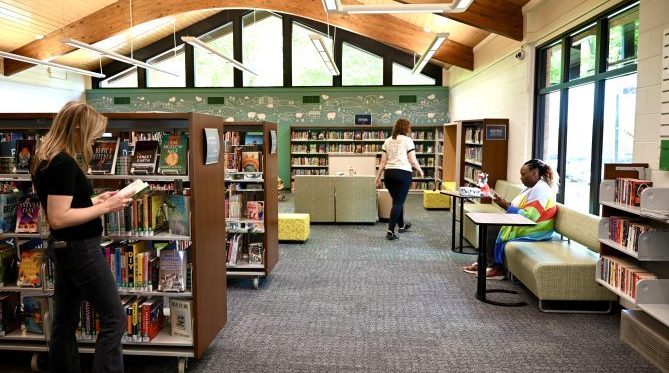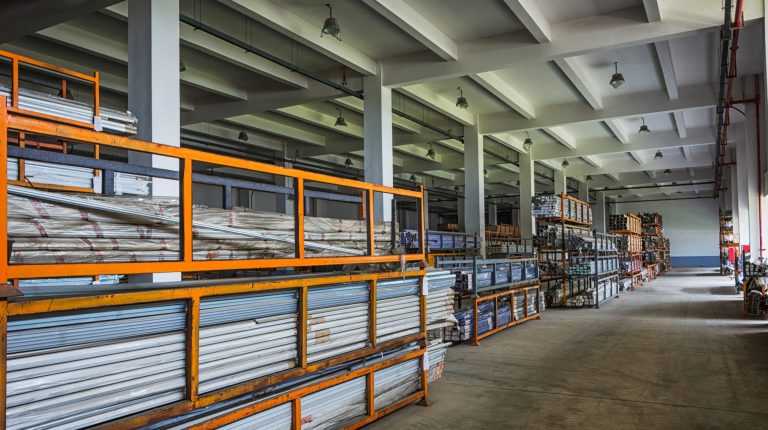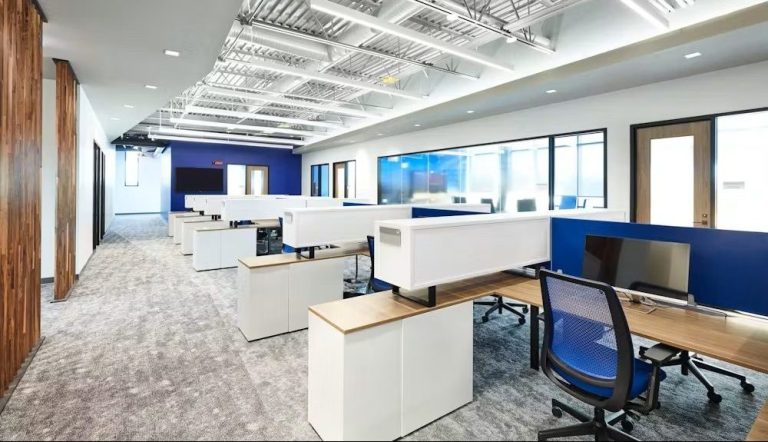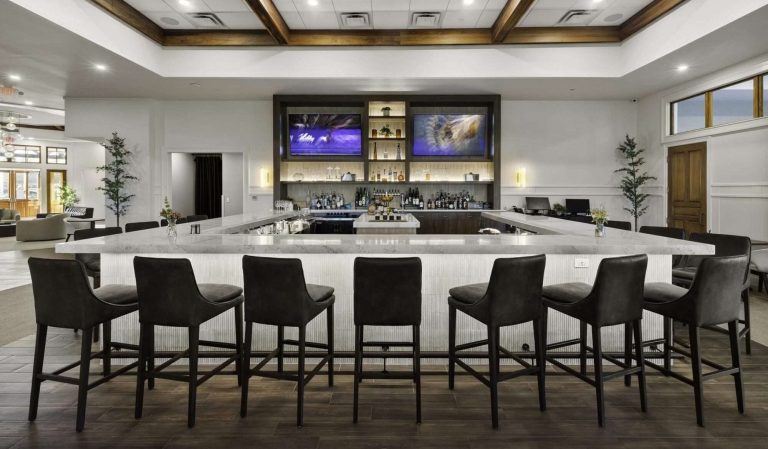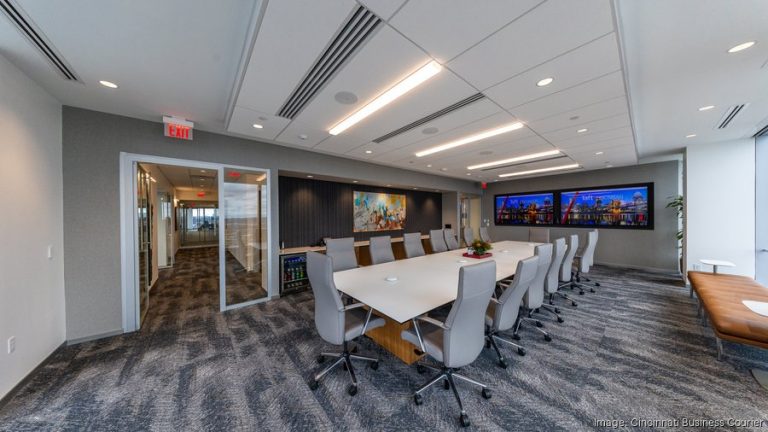
Government facilities face unique challenges when managing operational budgets, and flooring maintenance often represents a significant ongoing expense. From schools and universities to administrative buildings and public transportation hubs, the cost of maintaining commercial flooring can drain resources that could be better allocated to core services and improvements. However, the right flooring selection can dramatically reduce these maintenance costs while improving durability and safety.
The key to reducing maintenance expenses lies in understanding the total cost of ownership—not just the initial purchase price. This comprehensive approach examines installation costs, ongoing maintenance requirements, replacement cycles, and the labor associated with each flooring type. By selecting durable commercial flooring solutions specifically designed for high-traffic government environments, facility managers can achieve significant savings over the flooring’s lifespan.
When evaluating flooring options, many government procurement departments focus primarily on upfront costs. This short-sighted approach often leads to selecting lower-quality materials that require frequent maintenance, repairs, and premature replacement. Understanding the lifetime cost of ownership is essential for making informed decisions that benefit both budgets and facility operations.
Total cost of ownership (TCO) encompasses several key components:
For example, a government building might select cheaper vinyl flooring expecting to save money initially, but within five to seven years, this material may show significant wear, requiring costly refinishing or replacement. In contrast, premium commercial-grade flooring with lower maintenance requirements might cost more upfront but delivers decades of reliable performance with minimal intervention.
Several commercial flooring options are specifically engineered to withstand the demanding environments found in government facilities. Each offers distinct advantages in terms of durability, maintenance requirements, and lifecycle costs.
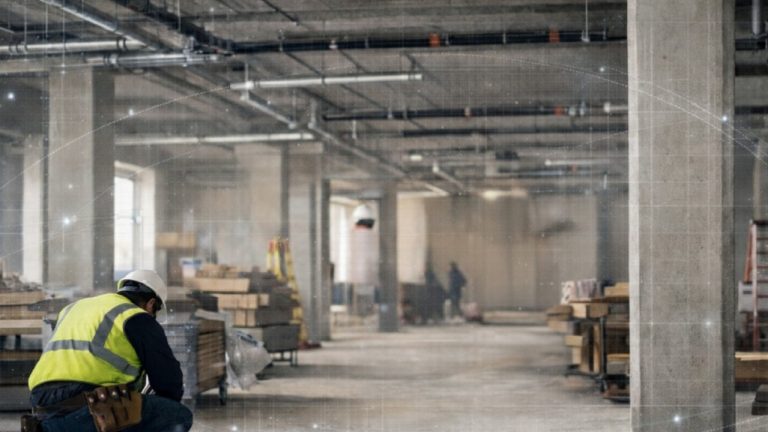
Polished concrete represents one of the most cost-effective solutions for government facilities. This option involves treating concrete floors with densifying sealers and polishing them to a high-gloss finish. The benefits include exceptional durability, minimal maintenance, and low long-term costs. Once sealed, polished concrete requires only regular sweeping and occasional damp mopping, significantly reducing labor expenses compared to other flooring types.

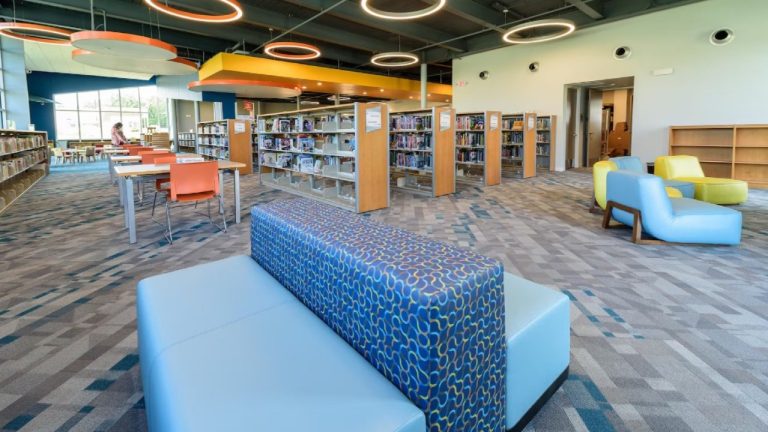
Modern luxury vinyl plank flooring has evolved to offer both aesthetic appeal and exceptional durability. Commercial-grade LVP resists staining, moisture, and wear from heavy foot traffic. Its scratch-resistant surface requires minimal maintenance and can withstand the demands of high-traffic government spaces. Installation is relatively straightforward, and damaged planks can be replaced individually rather than requiring refinishing of entire areas.

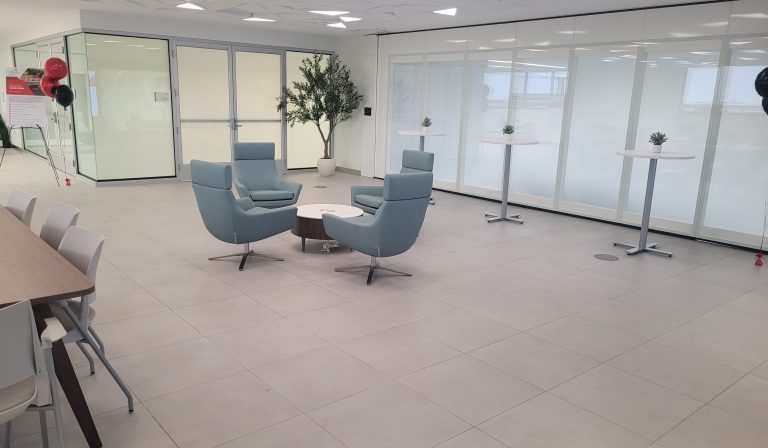
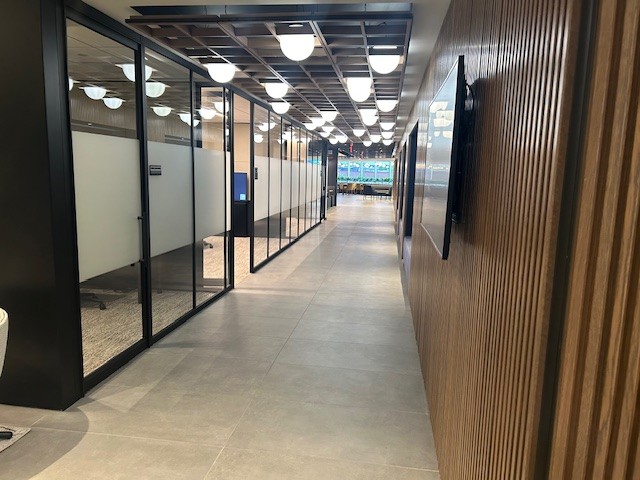
Ceramic and porcelain tiles offer outstanding durability and extremely low maintenance requirements. These materials resist staining, scratching, and moisture damage, making them ideal for government buildings where cleanliness and hygiene are paramount. While grout lines require periodic attention, the tiles themselves remain virtually maintenance-free, contributing to lower overall costs.

Polished concrete is a cost-effective, long-lasting option for warehouses, manufacturing facilities, and even modern retail and restaurant spaces. When properly sealed, it's resistant to heavy traffic and easy to clean.

Selecting durable flooring is only part of the solution. Implementing proper maintenance strategies further reduces costs and extends flooring lifespan. Preventive maintenance programs focus on protecting the investment through regular, low-cost interventions rather than reactive, expensive repairs.
Effective maintenance strategies include establishing protective entry systems to minimize soil and moisture introduction, implementing routine cleaning schedules that prevent accumulation of damaging debris, using appropriate cleaning products designed for specific flooring types, and addressing spills and damage immediately before problems worsen. Many government facilities find that dedicating modest resources to preventive maintenance generates substantial savings by preventing costly repairs.
Procurement departments should present flooring decisions in terms of total cost of ownership rather than initial price. A lifecycle cost analysis spreadsheet comparing options over 10-15 years typically demonstrates that premium durable flooring delivers superior value. This data becomes powerful when presenting proposals to budget committees and decision-makers.
Include factors such as estimated annual maintenance labor costs, historical replacement frequencies, environmental impact, and facility downtime. Government facilities often find that durable commercial flooring not only reduces costs but also improves safety, aesthetics, and employee satisfaction.
Reducing maintenance costs for government facilities begins with selecting durable commercial flooring engineered for demanding environments. By evaluating total cost of ownership and implementing preventive maintenance strategies, government facility managers can significantly reduce expenses while improving operational efficiency. Partner with experienced commercial flooring providers like Axis Interior Systems to identify the most cost-effective solutions for your specific facility needs.
Ready to reduce your facility’s flooring maintenance costs? Contact Axis Interior Systems today for a comprehensive consultation and lifecycle cost analysis.
Copyright © 2026 IPRS Consultants. - All rights reserved.