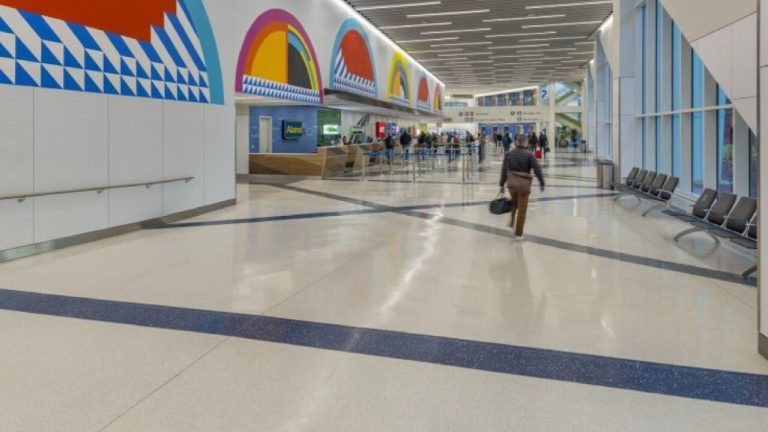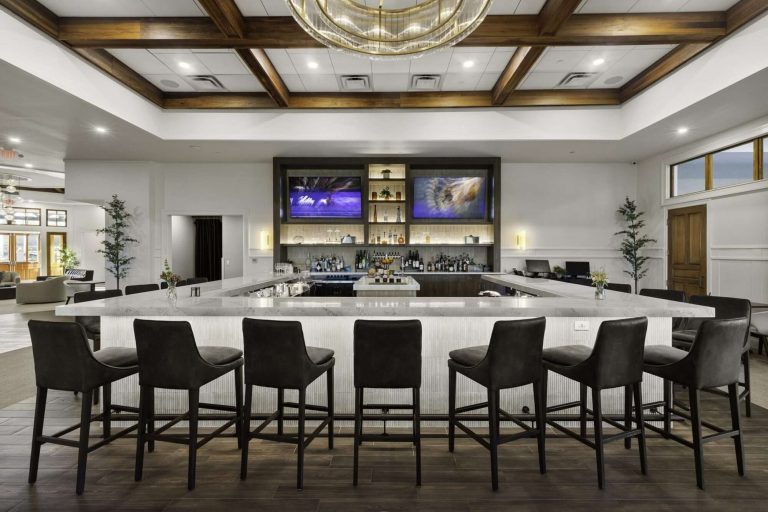
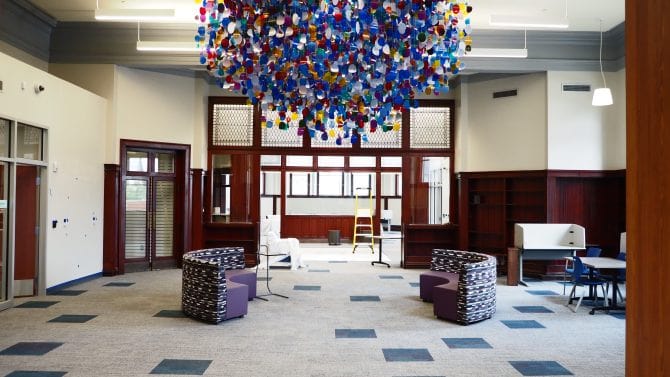
Carpet Tile - FC Cincinnati Mercy Health Training Centre

Best Flooring for a Commercial Office

Introduction

Choosing the best flooring for a commercial office is not a simple design decision. It affects safety, productivity, maintenance costs, and even brand perception. Many business owners focus on furniture and lighting first. However, commercial flooring carries daily traffic and constant wear. I once worked with a firm that ignored flooring quality. Within a year, they faced stains, cracks, and costly repairs. The right office flooring solution prevents such issues. It also enhances employee comfort and client impressions. In this guide, we will explore types of flooring, benefits of commercial flooring, cost considerations, and maintenance tips. You will gain practical insights to select durable and cost-effective commercial office flooring.

Types of Flooring for Commercial Offices

When exploring types of flooring, you must balance durability, aesthetics, and maintenance. The most popular commercial flooring options include carpet tiles, vinyl flooring, laminate, hardwood, tile, and polished concrete. Each material serves different operational needs. For example, high-traffic office flooring requires stronger surfaces than executive cabins. Healthcare offices need moisture-resistant commercial flooring. Corporate headquarters may prioritize luxury vinyl tile for style and resilience. Understanding these types of commercial flooring helps narrow your choices. Your industry, office layout, and daily foot traffic should guide decisions. A modern workspace often combines multiple flooring types for practical zoning. Let us examine the most effective options for commercial office spaces.

Carpet Tiles: Flexible and Cost-Effective Office Flooring

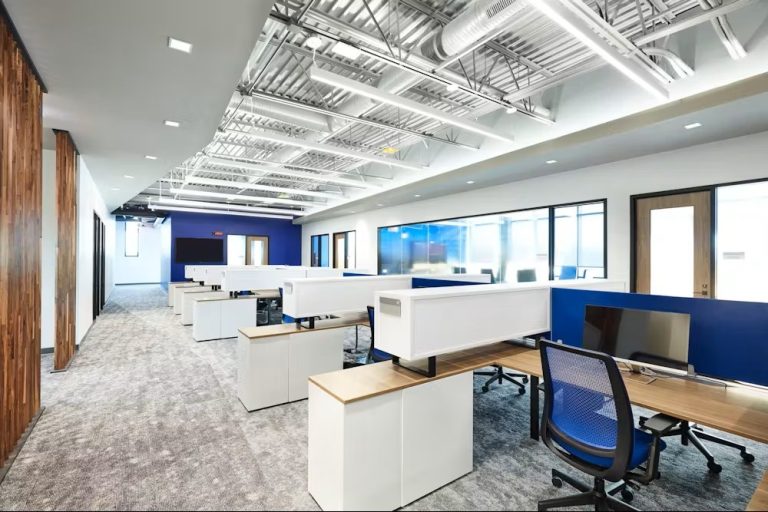
Carpet tiles remain a top choice for commercial office flooring. They offer flexibility, comfort, and sound insulation. In open-plan offices, noise reduction improves productivity significantly. Carpet tiles absorb sound better than hard surfaces. They also allow easy replacement of damaged sections. This reduces long-term commercial flooring costs. Installation is fast and minimally disruptive. Many facility managers prefer carpet tiles for high-traffic office areas. However, they require regular cleaning to prevent stains. Modern carpet tiles feature stain-resistant technology and antimicrobial backing. This makes them suitable for busy corporate environments. If comfort and acoustics are priorities, carpet tiles offer practical and affordable office flooring solutions.

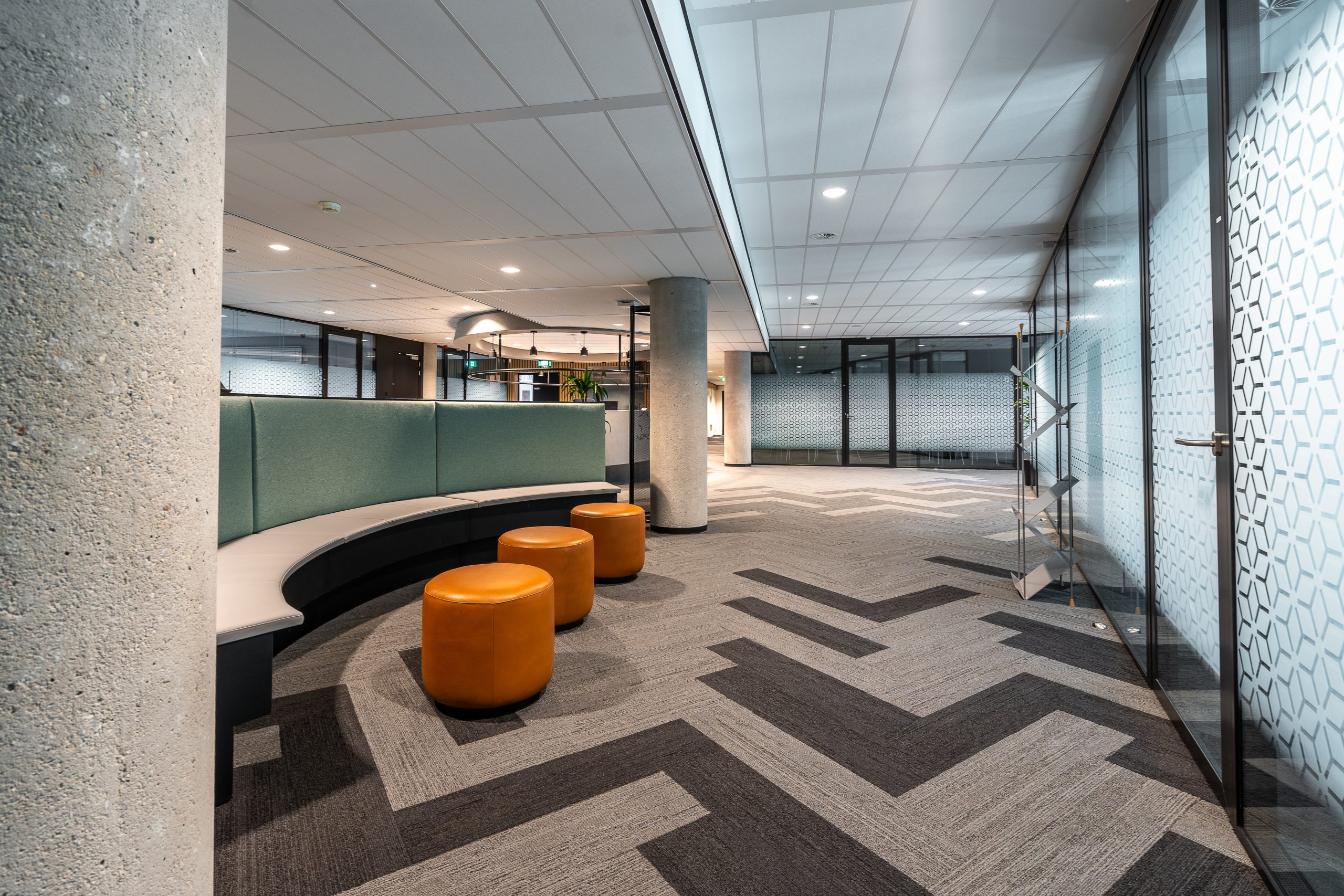
Carpet Tile - Expressions Therapeutic 3

Luxury Vinyl Tile (LVT): Durable and Stylish Commercial Flooring

Luxury vinyl tile, often called LVT flooring, is gaining popularity in commercial offices. It mimics wood or stone while offering superior durability. LVT flooring resists moisture, scratches, and heavy foot traffic. This makes it ideal for reception areas and hallways. Many business owners choose vinyl flooring for its modern aesthetic appeal. Installation costs remain lower than natural hardwood. Maintenance is also simple and budget-friendly. I recently advised a coworking space to install LVT. They reduced maintenance expenses while maintaining a premium look. For companies seeking stylish yet durable commercial flooring, LVT provides an excellent balance between design and performance.

Hardwood and Laminate: Professional and Timeless Appeal

Hardwood flooring creates a sophisticated and executive appearance. It works well in boardrooms and private offices. Clients often associate hardwood floors with professionalism and trust. However, hardwood requires regular maintenance and higher upfront investment. It can scratch under heavy office furniture. Laminate flooring offers a cost-effective alternative. It mimics hardwood while providing greater scratch resistance. Laminate works well in moderate-traffic commercial spaces. Still, it may not handle moisture as effectively as vinyl flooring. When considering hardwood or laminate, evaluate traffic levels carefully. These flooring types suit offices that prioritize aesthetics and brand image over heavy operational use.

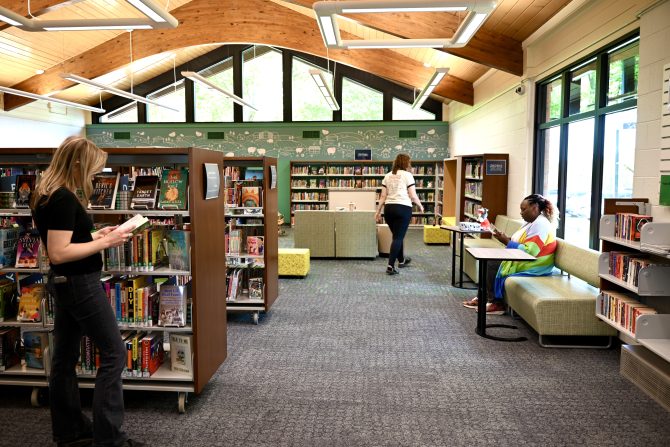
Carpet Tile - Cincinnati Public Radio 6

Polished Concrete and Tile: High-Traffic Commercial Flooring Solutions

Polished concrete flooring is common in modern industrial offices. It offers extreme durability and low maintenance requirements. Concrete withstands heavy equipment and continuous foot traffic. It also reflects light, improving energy efficiency. However, it may feel hard underfoot without area rugs. Ceramic and porcelain tiles provide another durable commercial flooring option. Tiles resist moisture and stains effectively. They are suitable for office kitchens and restrooms. Installation costs vary depending on material quality. For high-traffic office flooring needs, concrete and tile deliver long-term reliability. They work best in contemporary or industrial-style commercial spaces.

Benefits of Commercial Flooring for Productivity and Brand Image

The benefits of commercial flooring extend beyond appearance. Proper flooring enhances workplace safety and employee comfort. Slip-resistant commercial flooring reduces accident risks. Sound-absorbing office flooring improves concentration levels. Comfortable surfaces reduce fatigue during long work hours. Flooring also influences client perception significantly. A worn-out floor sends negative signals about professionalism. Durable and stylish commercial flooring strengthens brand credibility. Additionally, quality flooring increases property value. Investors and tenants appreciate well-maintained office interiors. Selecting the right commercial office flooring therefore supports both operational efficiency and long-term business growth.

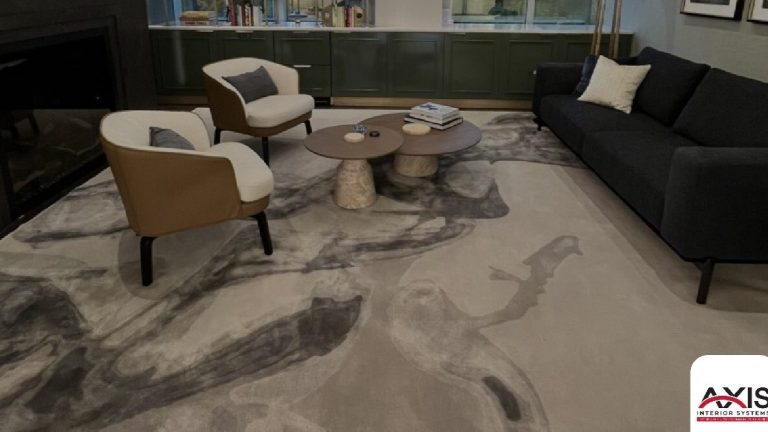
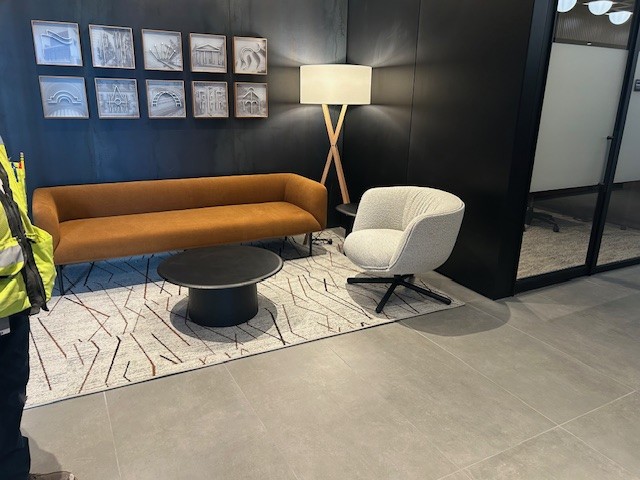
Rugs & Ceramic TIle - JP Morgan Chase 8

Cost Considerations for Commercial Office Flooring

Cost considerations play a central role in flooring decisions. Upfront installation costs vary widely between materials. Hardwood and tile typically cost more than vinyl or carpet tiles. However, focusing only on purchase price can be misleading. Lifecycle cost matters more than initial investment. Durable commercial flooring reduces repair and replacement expenses. Maintenance frequency also affects long-term budgets. For example, carpet cleaning costs accumulate over time. Concrete flooring may cost more initially but saves maintenance expenses later. Always calculate total ownership costs before deciding. Consulting commercial flooring contractors ensures accurate budgeting and realistic projections.

Maintenance Tips for Long-Lasting Commercial Flooring

Maintenance tips often determine the lifespan of commercial flooring. Regular cleaning prevents dirt buildup and surface damage. High-traffic office flooring requires scheduled inspections. Promptly replacing damaged tiles prevents further deterioration. Use protective pads under heavy office furniture. Avoid harsh cleaning chemicals that damage protective coatings. For vinyl flooring, apply manufacturer-recommended sealants periodically. Carpet tiles benefit from professional deep cleaning services. Polished concrete may require occasional resealing. A structured maintenance plan protects your flooring investment. Facility managers should train staff on proper cleaning techniques. Consistent care extends durability and maintains professional appearance.

Broadloom Carpet - JP Morgan Chase 1

How to Choose the Best Flooring for Your Commercial Office

Selecting the best flooring for a commercial office requires strategic evaluation. Start by assessing foot traffic levels in each area. Consider moisture exposure in kitchens and restrooms. Align flooring style with your brand identity and office design. Evaluate maintenance capacity and cleaning resources. Calculate both upfront and long-term commercial flooring costs. Seek expert guidance from experienced flooring contractors. Many suppliers offer sample installations for testing. Walk on samples to assess comfort and durability. Think about future expansion and adaptability. A growing company benefits from modular flooring systems. Making informed choices today prevents costly renovations tomorrow.

Conclusion: Making the Right Commercial Flooring Decision

The best flooring for a commercial office depends on your operational needs and design goals. Carpet tiles offer comfort and acoustic control. Luxury vinyl tile balances style and durability. Hardwood adds executive elegance. Polished concrete and tile provide unmatched strength for high-traffic areas. Each option carries unique cost considerations and maintenance requirements. Prioritize lifecycle value over short-term savings. Consult commercial flooring experts before finalizing decisions. Evaluate your workspace carefully and plan strategically. The right commercial office flooring enhances productivity, safety, and brand perception. Take time to assess your specific needs and choose flooring that supports long-term business success.

Ready to transform your office environment? Contact Axis Interior Systems today to discuss a commercial flooring solution tailored to your performance and design goals.

Explore More Flooring Insights

Discover additional insights on commercial flooring systems, installation methods, and performance considerations across various industries.

Scroll to Top