Commercial Flooring Carpet: A Strategic Choice for Modern Spaces
Introduction
Commercial flooring carpet remains one of the most effective and adaptable flooring solutions for businesses that require durability, comfort, and long-term performance. From corporate offices and classrooms to hospitality and government facilities, carpet continues to play a critical role in shaping functional, professional interiors. While many decision-makers focus on aesthetics alone, experienced commercial floor contractors understand that the real value of carpet lies in its performance, maintenance efficiency, and contribution to the overall user experience.
At Axis Interior Systems, commercial flooring is approached as a system rather than a surface. Carpet selection, subfloor preparation, installation methods, and lifecycle planning are all considered together to ensure results that support daily operations and long-term asset value.
Why Commercial Flooring Carpet Still Matters
Despite the growth of hard surface options, commercial flooring carpet remains a preferred choice across many sectors. One of the primary reasons is comfort. Carpet provides underfoot cushioning that reduces fatigue for employees and visitors, particularly in environments where people stand or walk for extended periods. This makes it especially suitable for offices, education flooring, and hospitality environments.
Acoustic performance is another major advantage. Carpet absorbs sound, helping reduce noise transfer between rooms and floors. In open offices, classrooms, and conference spaces, this contributes to better concentration and a more comfortable atmosphere. In contrast, hard flooring often requires additional acoustic treatments to achieve similar results.
Safety is also a key consideration. Commercial carpet offers slip resistance and helps reduce the severity of injuries caused by falls. For government flooring and classroom flooring applications, this safety benefit is often a deciding factor.
Commercial Carpet vs Residential Carpet
Commercial carpet is engineered differently from residential products. It is designed to withstand higher foot traffic, rolling loads, and frequent cleaning. Fiber density, backing systems, and adhesive compatibility all play a role in performance. Professional commercial carpet installers evaluate these factors before recommending materials.
Residential carpet may look similar at first glance, but it lacks the structural integrity required for commercial use. Installing the wrong product can lead to premature wear, seam failure, and costly replacements. This is why working with experienced commercial floor installers is critical for long-term success.
Carpet Tile and Broadloom Applications
Two of the most common formats used in commercial flooring carpet projects are carpet tile and broadloom carpet. Each serves a different purpose depending on the space.
Carpet tile is widely used in corporate offices, education environments, and healthcare facilities. Its modular nature allows for easier replacement of damaged areas without removing the entire floor. This makes it a cost-effective solution for high-traffic spaces and facilities that require phased renovations.
Broadloom carpet, on the other hand, delivers a seamless and luxurious appearance. It is commonly specified for hospitality flooring, executive offices, and conference areas. While it requires more careful planning and installation, the visual impact can be significant when installed by skilled commercial flooring contractors.
The Role of Professional Installation
Even the best carpet products will fail without proper installation. Commercial flooring installation requires precise subfloor preparation, moisture testing, and adhesive selection. Professional floor installers ensure that carpet is installed in accordance with manufacturer guidelines and industry standards.
Improper installation can lead to issues such as bubbling, seam separation, and uneven wear patterns. These problems not only affect appearance but also create safety risks and increase maintenance costs. Working with a professional commercial carpet installer near you helps ensure accountability and long-term performance.
Axis Interior Systems coordinates closely with general contractors, architects, and facility managers to ensure installations are completed efficiently and aligned with project schedules.
Carpet and Indoor Air Quality
Modern commercial flooring carpet plays an important role in supporting healthy indoor environments. Many carpet products meet low-VOC standards and contribute to improved indoor air quality when properly maintained. According to guidance from the Carpet and Rug Institute, commercial carpet can trap airborne particles until they are removed through regular cleaning, reducing the amount of dust circulating in the air.
This is particularly important in schools, offices, and healthcare environments where air quality directly affects occupant health and productivity. Selecting certified products and implementing proper maintenance protocols are essential parts of a responsible flooring strategy.
You can learn more about indoor air quality standards through the Carpet and Rug Institute at https://carpet-rug.org/.
Maintenance and Lifecycle Planning
One of the most overlooked aspects of commercial flooring solutions is lifecycle planning. Carpet requires routine maintenance to perform as intended over time. Regular vacuuming, periodic deep cleaning, and prompt stain treatment all contribute to extended service life.
Commercial carpet tiles offer additional flexibility by allowing selective replacement of worn areas. This reduces long-term costs and minimizes disruption to daily operations. Facility managers often find that a proactive maintenance plan delivers better value than reactive repairs or early replacement.
Professional flooring contractors often assist clients in developing maintenance schedules that align with traffic levels and usage patterns.
Industry Applications for Commercial Carpet
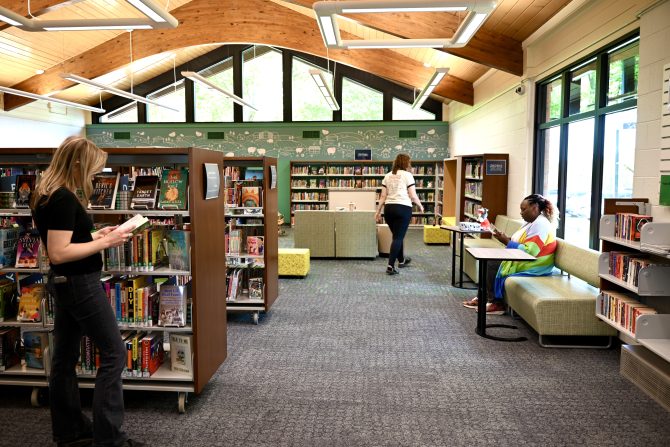
Commercial flooring carpet is used across a wide range of industries. In corporate offices, it supports acoustics and employee comfort. In education flooring environments, it helps manage noise and enhances safety. Hospitality flooring relies on carpet for aesthetics, comfort, and brand identity.
Government flooring projects often specify carpet for its durability, safety, and compliance with accessibility requirements. Healthcare facilities may use carpet in administrative areas where comfort and sound control are priorities.
Each application requires a tailored approach. Experienced commercial floor installers evaluate usage conditions, cleaning protocols, and design goals before recommending solutions.
Sustainability and Responsible Sourcing
Sustainability has become a growing priority in commercial flooring decisions. Many modern carpet products are manufactured using recycled materials and designed for recyclability at the end of their life. Low-VOC adhesives and backings further support environmental goals.
Axis Interior Systems works with manufacturers that prioritize responsible sourcing and sustainable manufacturing practices. This allows clients to align flooring decisions with broader ESG objectives without compromising performance.
The Value of Local Expertise
Working with a flooring partner that understands local conditions adds significant value. Climate, building codes, and regional construction practices all influence flooring performance. For businesses searching for commercial carpet installers or flooring Cincinnati specialists, local expertise ensures solutions are appropriate for the environment.
Axis Interior Systems brings regional knowledge and national resources together to deliver consistent results across the Tri-State area. This balance allows for responsive service while maintaining access to leading commercial flooring products.
Choosing the Right Commercial Flooring Partner
A successful commercial flooring project requires more than material selection. It demands coordination, technical knowledge, and long-term accountability. Commercial floor contractors who focus solely on installation often overlook critical planning steps that affect performance.
A true flooring partner takes a consultative approach, helping clients understand options, risks, and lifecycle considerations. This approach reduces surprises, controls costs, and supports better outcomes over time.
Axis Interior Systems positions itself as a long-term partner, supporting clients from initial planning through installation and ongoing maintenance guidance.
Final Thoughts on Commercial Flooring Carpet
Commercial flooring carpet remains a strategic investment for organizations that value performance, comfort, and design flexibility. When specified and installed correctly, it delivers long-term value across a wide range of commercial environments.
From classroom flooring and hospitality spaces to corporate offices and government facilities, carpet continues to meet the evolving demands of modern buildings. By working with experienced commercial carpet installers and focusing on lifecycle performance, businesses can create interiors that support both people and operations.
The key lies in choosing the right materials, partnering with qualified professionals, and viewing flooring as an integrated system rather than a standalone product. When approached this way, commercial flooring carpet becomes a durable, reliable, and high-performing solution for today’s commercial spaces.