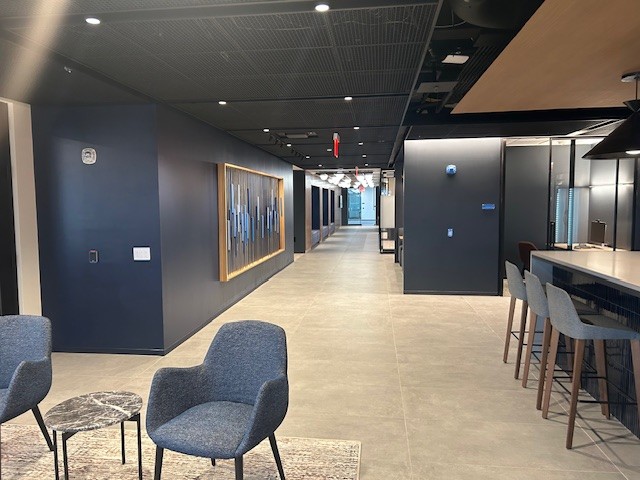
Best Types of Commercial Flooring for High-Traffic Office Spaces
Introduction: Why Flooring Matters in Busy Offices
Choosing the right commercial flooring for high-traffic office spaces is more than a design decision. It directly impacts durability, employee comfort, and long-term maintenance costs. In bustling workplaces, flooring withstands constant foot traffic, rolling chairs, and occasional spills. Selecting the best option ensures a professional look while reducing replacement expenses.
Flooring also plays a role in branding. A sleek reception area with durable flooring creates a strong first impression for clients. Meanwhile, comfortable flooring in work zones supports employee well-being. With so many options available, understanding the strengths and weaknesses of each type is essential for making the right investment.
Think of flooring as the foundation of your office’s personality. It sets the tone for visitors, influences employee morale, and even affects acoustics. In high-traffic spaces, the wrong choice can lead to costly repairs and a negative impression. The right choice, however, combines aesthetics, durability, and practicality.
Carpet Tiles: Comfort Meets Flexibility
Carpet tiles are a popular choice for offices seeking warmth and noise reduction. They provide a cushioned surface that enhances comfort during long workdays.
Benefits
Easy installation, sound absorption, and design flexibility. Damaged tiles can be replaced individually

Drawbacks:
Prone to staining and may require frequent cleaning in high-traffic zones.

Ideal Use Cases:
Open-plan offices, meeting rooms, and collaborative spaces where acoustics matter.

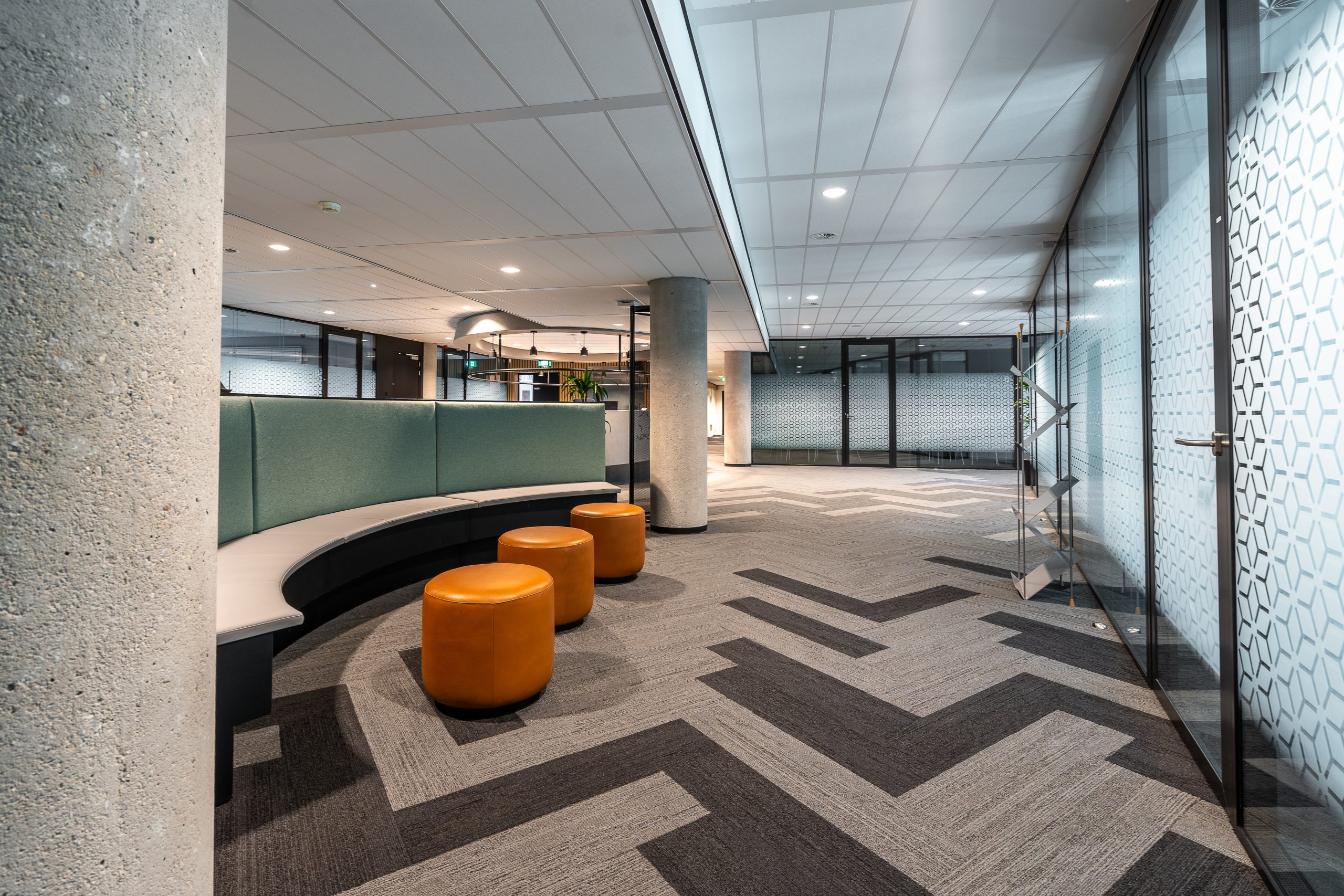
Carpet tiles also allow creative design patterns. Companies can mix colors to reflect brand identity or designate zones within open spaces. Their modular nature makes them cost-effective for long-term maintenance.
Example: At Expressions Therapeutic in West Chester, Ohio, carpet tile flooring was installed to support a calm and functional interior environment. The flooring helped reduce ambient noise, creating a quieter and more comfortable space for staff and clients. Its modular design also allows individual tiles to be replaced as needed, simplifying maintenance and long-term upkeep. To see more of our work and how we approach similar installations, view our corporate flooring page.
For high-traffic areas, consider low-pile carpet tiles. They resist wear better than plush options and are easier to clean. Pairing carpet tiles with protective mats in entryways can extend their lifespan.
Luxury Vinyl Tile (LVT): Durability with Style
Luxury vinyl tile (LVT) combines resilience with modern aesthetics. It mimics natural materials like wood or stone while offering superior durability.
Benefits
Scratch-resistant, water-resistant, and available in diverse designs.

Drawbacks
Can feel less warm underfoot compared to carpet.

Ideal Use Cases:
Reception areas, hallways, and cafeterias where style and durability are equally important.
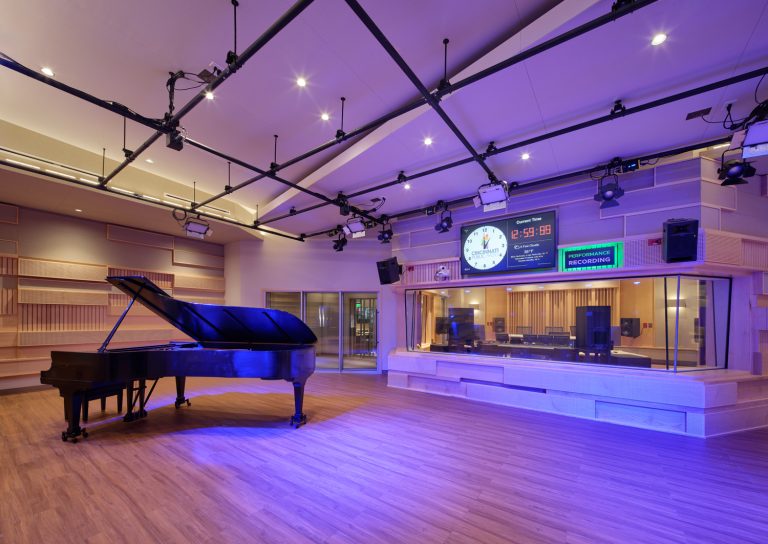
LVT is particularly effective in offices that want a professional look without the cost of hardwood. It’s also easy to clean, making it suitable for spaces with heavy foot traffic.
Case Study: At Cincinnati Public Radio in Ohio, Luxury Vinyl Tile (LVT) flooring was installed to elevate interior aesthetics while supporting daily operational demands. The wood-look design added warmth and sophistication to the space, while its resilient construction withstands consistent foot traffic. The surface also allows for simplified cleaning and long-term maintenance compared to traditional soft flooring options. To see more of our work and how we approach similar installations, view our corporate flooring page.
For sustainability-conscious businesses, many LVT options are now made with recycled materials. This makes them a smart choice for companies aiming to reduce environmental impact.
Hardwood Flooring: Timeless Elegance
Hardwood flooring brings sophistication and prestige to office spaces. Its natural beauty creates a welcoming environment for clients and employees.
Benefits:
Long lifespan, classic appearance, and potential to increase property value.

Drawbacks:
Higher upfront cost and susceptibility to scratches in busy areas.

Ideal Use Cases:
Executive offices, boardrooms, and client-facing spaces.

Hardwood requires regular maintenance, including polishing and refinishing. However, its timeless appeal makes it a worthwhile investment for companies prioritizing aesthetics.
Engineered hardwood is a practical alternative. It offers the same elegant look but with improved resistance to moisture and temperature changes.
Laminate Flooring: Affordable Versatility
Laminate flooring offers an economical alternative to hardwood while maintaining a polished look. It’s engineered for durability and easy installation.
Benefits:
Cost-effective, resistant to fading, and available in many finishes.

Drawbacks:
Less moisture-resistant than vinyl, making it unsuitable for kitchens or bathrooms.

Ideal Use Cases:
Private offices, conference rooms, and budget-conscious renovations.

Laminate is ideal for growing businesses that want a professional appearance without overspending. It’s also quick to install, minimizing downtime during renovations. For added durability, choose laminate with a high AC rating. This ensures resistance to scratches and wear in high-traffic areas.
Polished Concrete: Industrial Strength
Polished concrete flooring is increasingly popular in modern office design. It delivers unmatched durability and a sleek, industrial aesthetic.
Benefits:
Extremely durable, low maintenance, and eco-friendly.

Drawbacks:
Hard underfoot and may feel cold without rugs or mats.

Ideal Use Cases:
Large open offices, creative studios, and coworking spaces.

Concrete can be customized with stains or dyes to match brand colors. It’s also sustainable, reducing the need for replacement materials. Adding area rugs in key zones can soften the look and improve comfort for employees.
Ceramic and Porcelain Tile: Clean and Professional
Ceramic and porcelain tiles are excellent for offices requiring a clean, professional appearance. They are highly resistant to moisture and wear.
Benefits:
Easy to clean, long-lasting, and available in countless styles.

Drawbacks:
Hard surface may reduce comfort for employees standing long hours.

Ideal Use Cases:
Kitchens, bathrooms, and entryways.

Tiles are particularly effective in areas exposed to spills or moisture. Their durability ensures long-term performance even in demanding environments.
Example: At JP Morgan Chase in Cincinnati, Ohio, ceramic tile flooring was installed to deliver a refined appearance while accommodating consistent daily traffic. The surface maintains a clean, polished look with minimal maintenance requirements. Its durability and hygienic properties support a professional environment aligned with high corporate standards. To see more of our work and how we approach similar installations, view our corporate flooring page.
For added safety, textured tiles reduce slip risks in wet areas.
Rubber Flooring: Safety and Comfort
Rubber flooring is valued for its slip resistance and cushioning. It’s especially useful in areas where safety and comfort are priorities.
Benefits:
Shock absorption, slip resistance, and eco-friendly options.

Drawbacks:
Limited design choices compared to vinyl or hardwood.

Ideal Use Cases:
Fitness centers, wellness rooms, and offices with standing workstations.

Rubber flooring also reduces fatigue for employees who spend long hours standing. It’s a practical choice for companies prioritizing employee wellness.
Scenario:At the FC Cincinnati Mercy Health Training Center, rubber flooring was installed to support high-impact training and athletic performance. The surface provides underfoot comfort while absorbing shock during intense workouts. Its slip-resistant properties and durability contribute to athlete safety and long-term facility performance under rigorous daily use. To see more of our work and how we approach similar installations, view our corporate flooring page.
Rubber tiles are easy to replace, making them cost-effective for long-term use.
Maintenance Strategies for Longevity
Even the best flooring requires proper care. Maintenance strategies extend lifespan and preserve appearance.
- Regular Cleaning: Vacuum carpets, mop tiles, and sweep concrete regularly.
- Protective Mats: Place mats at entrances to reduce dirt and moisture.
- Scheduled Inspections: Identify wear early to prevent costly repairs.
- Professional Services: Hire experts for polishing, refinishing, or deep cleaning.
A proactive approach ensures flooring continues to support office functionality and aesthetics.
Future Trends in Commercial Flooring
Commercial flooring is evolving with technology and sustainability. Emerging trends include:
- Smart Flooring: Sensors embedded in flooring to monitor traffic and usage.
- Eco-Friendly Materials: Increased demand for recycled and renewable options.
- Hybrid Solutions: Combining materials for performance and design flexibility.
- Acoustic Innovations: Flooring designed to reduce noise in open offices.
Companies adopting these trends demonstrate commitment to innovation and employee well-being.
Conclusion: Making the Right Choice
The best commercial flooring for high-traffic office spaces depends on your unique needs. Carpet tiles reduce noise, vinyl offers durability, hardwood adds prestige, laminate balances cost, concrete ensures strength, tiles provide cleanliness, and rubber enhances safety. Each option has distinct advantages and trade-offs.
Evaluate your office’s traffic, design goals, and budget before making a decision. The right flooring investment will elevate your workspace, impress clients, and support employee comfort for years to come.
Explore More Flooring Insights
Discover additional insights on commercial flooring systems, installation methods, and performance considerations across various industries.