
When it comes to commercial flooring, few options generate as much discussion as epoxy. Some see it as a long-term investment that delivers unmatched durability, while others question whether the upfront cost is justified.
For businesses across warehouses, healthcare facilities, and retail environments, the real question is not just what epoxy flooring is, but whether it truly delivers value over time.
This guide breaks down how epoxy flooring performs in real commercial settings, where it works best, where it may fall short, and whether it is the right choice for your space.
Epoxy flooring is a resin-based system applied over concrete to create a seamless and highly durable surface. Once cured, it forms a hard protective layer that resists wear, chemicals, and moisture.
Its appeal comes from a combination of strength and functionality. Unlike traditional flooring materials, epoxy is not installed in tiles or sheets. It is applied as a continuous coating, which eliminates joints and weak points.
Organizations such as the National Floor Safety Institute emphasize the importance of slip-resistant surfaces in commercial environments, and epoxy systems can be engineered to meet these safety standards depending on the finish applied.
The interest in epoxy flooring is driven by performance. In high-demand environments, flooring is not just a surface. It is part of the operational system.
Epoxy is often chosen because it offers:
For facilities that operate continuously or deal with demanding conditions, these advantages can make a noticeable difference.
Not every commercial space has the same requirements. Epoxy flooring tends to perform best in environments where durability and cleanliness are critical.
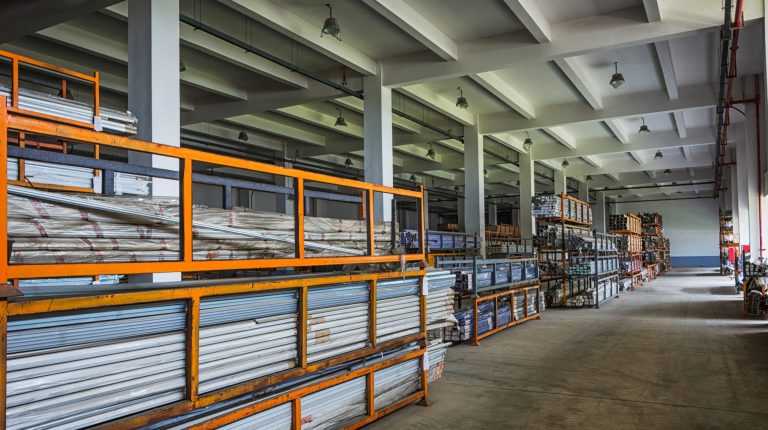
Warehouses place constant stress on flooring. Heavy equipment, forklifts, and continuous movement can quickly wear down traditional materials.
Epoxy flooring provides a strong surface that can handle heavy operational demands while maintaining long-term durability.
If you are evaluating flooring solutions for industrial environments, understanding how materials perform under pressure is essential. You can explore more considerations in warehouse environments here.
In healthcare settings, flooring plays a role in infection control and patient safety. Seamless surfaces are preferred because they minimize areas where dirt and bacteria can accumulate.
Epoxy flooring is often used in laboratories, surgical areas, and utility spaces where hygiene is critical.
If you want a broader understanding of how different materials perform in medical environments, this guide provides additional insight:
https://axisinteriorsystems.com/best-flooring-for-healthcare-facilities/
Retail environments have a different set of priorities. Appearance matters just as much as durability.
Epoxy flooring can be customized with different finishes and textures, making it suitable for modern retail interiors where both performance and design are important.
For a deeper look at flooring considerations in retail environments, you can explore this guide.
One of the biggest concerns around epoxy flooring is cost. It is often more expensive upfront compared to materials like vinyl or carpet.
The total investment depends on:
Older buildings may require additional preparation, which can increase installation costs.
However, evaluating epoxy based only on upfront cost can be misleading. The real value comes from its lifespan and reduced maintenance needs.
To determine whether epoxy flooring is worth it, it is important to look at long-term performance rather than initial expense.
Epoxy flooring can last many years when installed correctly. It resists wear better than many traditional materials, especially in high-traffic or industrial environments.

Unlike carpet or tile, epoxy does not trap dust or debris in joints or fibers. Cleaning is straightforward, which reduces ongoing maintenance effort.

One limitation of epoxy is that repairs can be more complex. If the surface is damaged, it may require section repairs or reapplication.

Downtime during installation or repair is also something businesses need to consider, especially in operational facilities.
While epoxy flooring offers strong benefits, it is not the right solution for every situation.
Epoxy requires proper surface preparation and controlled conditions during installation. Poor installation can lead to peeling or failure.

It is a rigid surface, which may not be ideal for spaces where employees stand for long periods.

Smooth epoxy surfaces can become slippery when wet unless slip-resistant additives are included.

This is why working with experienced professionals is essential. The quality of installation directly impacts performance.
Choosing the right flooring often comes down to comparing materials.
Each material has its place. The key is aligning the choice with how the space is used.
The question is not whether epoxy flooring is good or bad. It is whether it fits your specific operational needs.
Epoxy is a strong choice if your space requires:
It may not be the best option if your priority is:
Understanding these tradeoffs helps avoid costly mistakes.
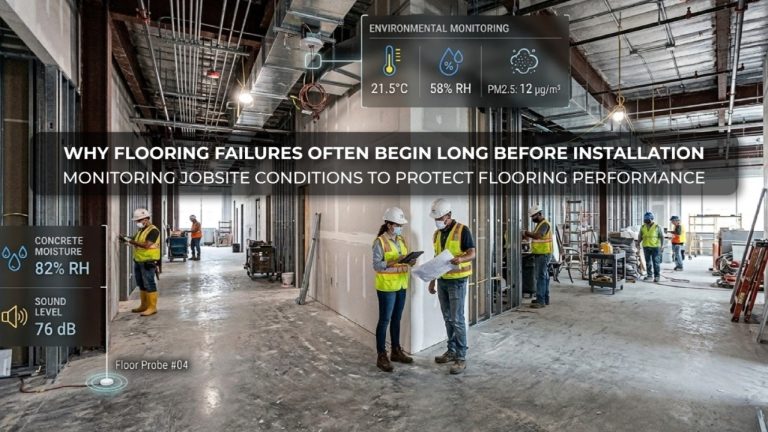
Even the best flooring system can fail if installed incorrectly. Epoxy flooring requires careful preparation, including moisture testing and surface leveling.
Experienced contractors ensure that:
This level of precision is what determines whether epoxy flooring performs as expected over time.
For warehouses, healthcare facilities, and certain retail environments, epoxy flooring can be a highly effective solution. Its strength, durability, and seamless finish make it particularly valuable in demanding conditions.
However, it is not a one-size-fits-all answer. The decision should be based on how the space is used, what level of performance is required, and how much maintenance the facility can support.
When chosen for the right environment and installed correctly, epoxy flooring is not just worth it. It becomes a long-term asset that supports operational efficiency and reliability.
Discover additional insights on commercial flooring systems, installation methods, and performance considerations across various industries.
Copyright © 2026 IPRS Consultants. - All rights reserved.