Beyond Aesthetics: How Smart Commercial Flooring Shapes Safety, Performance, and Modern Workspaces
Introduction
When organizations design or renovate corporate spaces, flooring is often treated as a visual decision made late in the process. In reality, flooring is one of the most influential elements of a high-performing workplace. It impacts safety, acoustics, comfort, and long-term maintenance while quietly supporting how people move, collaborate, and work throughout the day.
As modern offices evolve, shaped by hybrid work models, open layouts, and technology-driven environments, commercial flooring must do far more than complete a design; especially in corporate workplace environments. It must perform consistently, adapt to change, and contribute to operational efficiency over time.
Why Commercial Flooring Decisions Matter
Corporate environments experience constant movement, from employees and visitors to equipment and furniture. Flooring must withstand daily wear while maintaining its appearance and functionality. Poor flooring choices can lead to premature replacement, increased maintenance costs, and avoidable safety risks, all of which disrupt business operations.
Commercial flooring decisions directly influence:
- Long-term durability and lifecycle costs
- Workplace safety and slip resistance
- Acoustic comfort in open and shared environments
- Ease of maintenance and operational continuity
Thoughtful flooring planning ensures these considerations are addressed early, allowing organizations to make informed decisions that support both performance and longevity.
Balancing Durability, Safety, and Design
One of the biggest challenges in commercial flooring selection is balancing performance with aesthetics. High-traffic areas such as corridors, collaboration zones, and common spaces require materials that can handle sustained use without compromising visual appeal. Modern commercial flooring solutions are designed to meet these demands without forcing trade-offs.
Effective flooring strategies typically balance:
- Durability, to support heavy foot traffic and frequent reconfiguration
- Safety, through stable surfaces and professional installation
- Design flexibility, allowing spaces to reflect brand identity and culture.
Materials such as commercial vinyl flooring, composite flooring, and SPC flooring are increasingly used because they deliver consistent performance while offering a wide range of finishes suitable for contemporary workspaces.
Flooring Trends Influencing Corporate Workspaces
Several key trends are shaping how modern corporate spaces are designed and used. Rather than focusing solely on appearance, organizations are selecting flooring systems that support flexibility, efficiency, and long-term adaptability. According to insights shared by industry groups such as the Starnet Commercial Flooring , performance-driven flooring strategies are becoming a priority as workplaces continue to evolve.
Current trends include:
- Using flooring to define zones within open layouts instead of relying on walls
- Increased adoption of resilient flooring with enhanced durability and design realism
- Greater demand for adaptable solutions such as raised access flooring systems
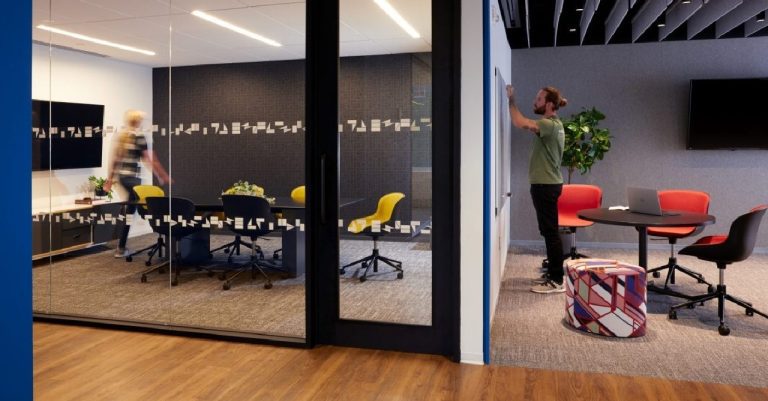
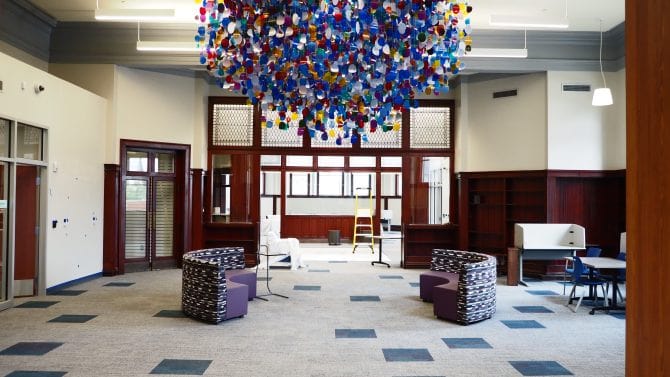
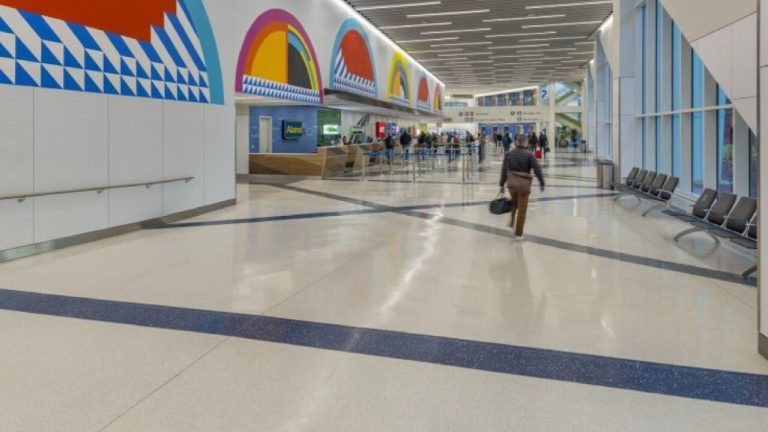
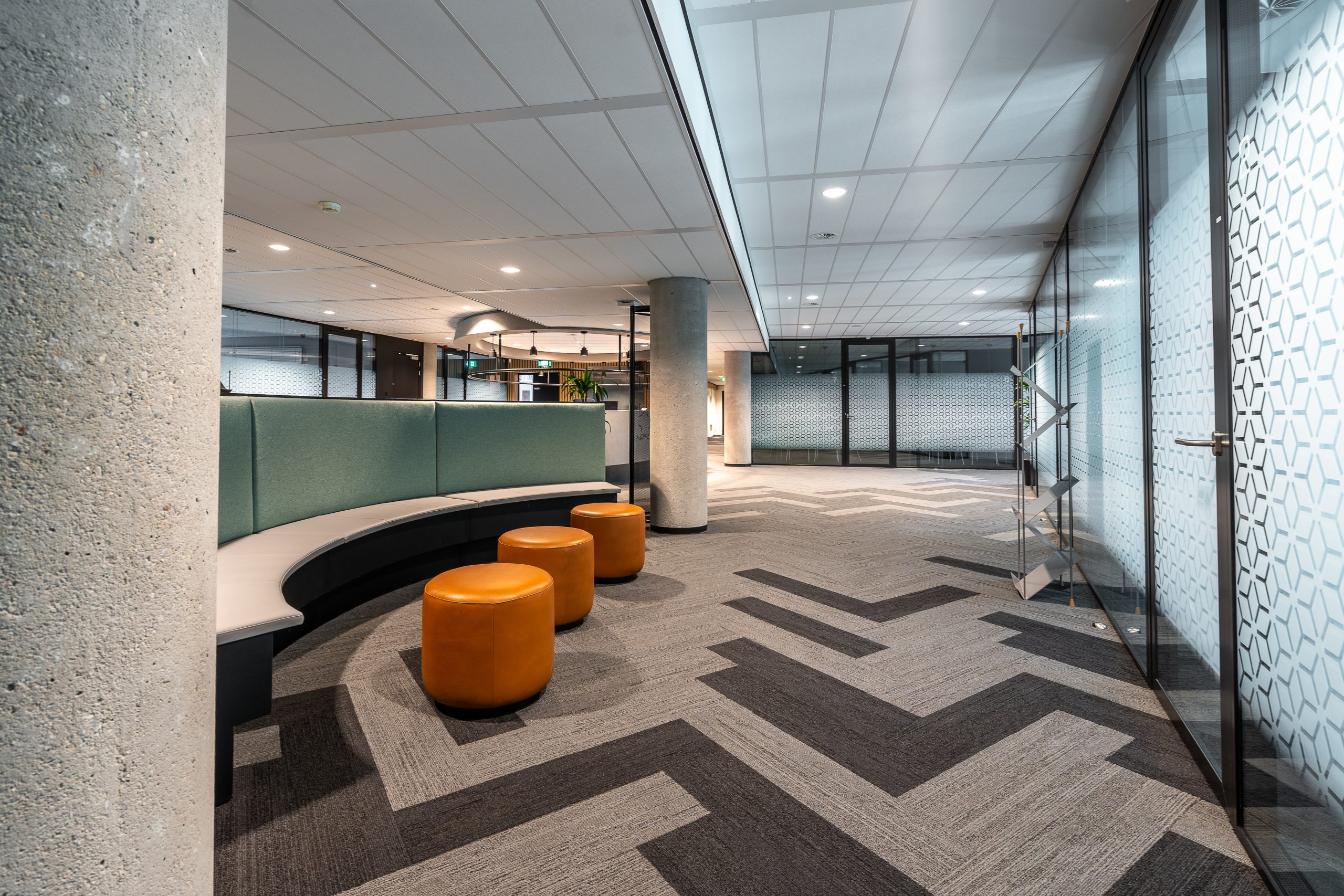
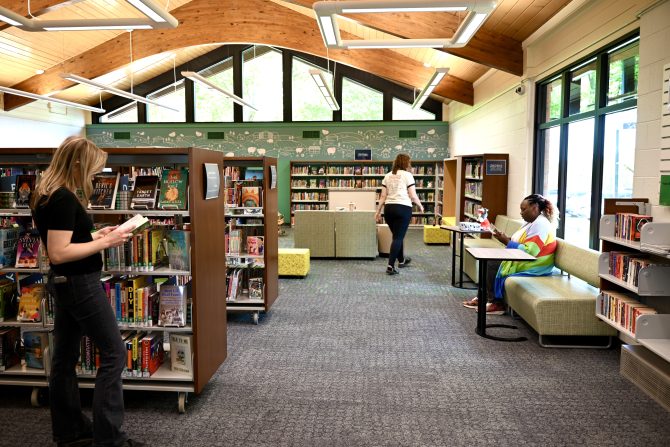
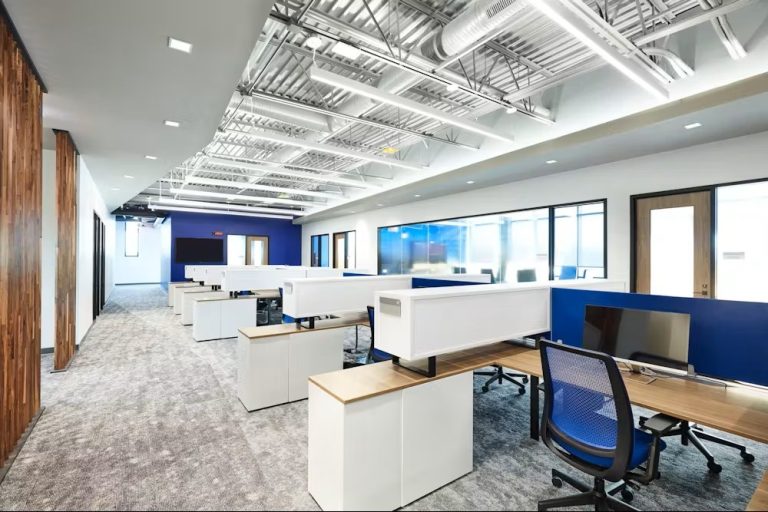
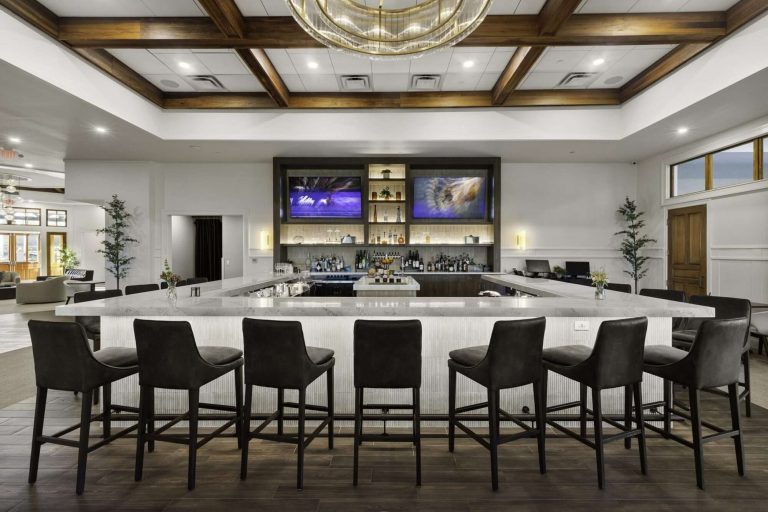
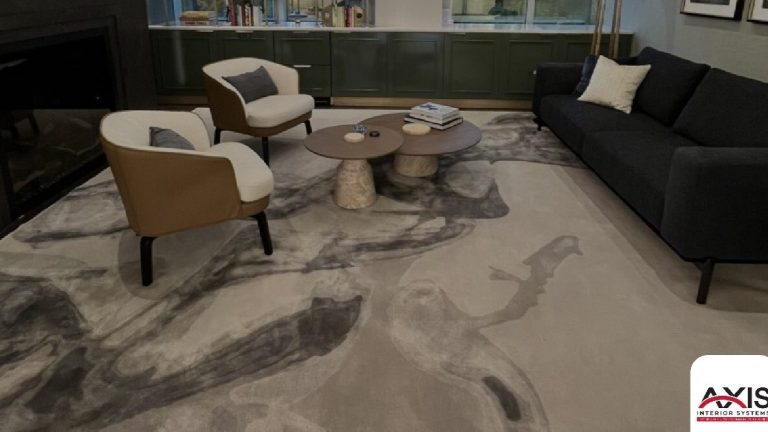
By combining different materials within a single workspace, organizations can create visual distinction while supporting different functional needs; without sacrificing openness or flow.Flooring installation at Expressions Therapeutic, designed to support comfort, safety, and everyday functionality.Flooring installation at Expressions Therapeutic, designed to support comfort, safety, and everyday functionality.Flooring installation at Expressions Therapeutic, designed to support comfort, safety, and everyday functionality.
Flooring and the Future of Work
The evolving nature of work demands flexibility at every level of design. Flooring systems that allow for easy replacement, minimal downtime, and future reconfiguration are becoming essential considerations during planning and renovation phases. As work environments continue to change, flooring must support both immediate operational needs and long-term adaptability.
Organizations are also increasingly focused on sustainability and lifecycle performance. Durable, low-maintenance materials reduce waste and operating costs while contributing to healthier indoor environments. Flooring choices made today can significantly influence how efficiently a workplace performs in the years ahead.
Why Professional Installation Matters
Even the highest-quality flooring materials rely on proper installation to perform as intended. Professional floor installers ensure correct substrate preparation, appropriate material selection, and adherence to performance standards. This expertise helps prevent long-term issues and protects the investment made in commercial flooring systems.
Working with experienced commercial floor contractors brings strategic insight to the process, ensuring flooring decisions align with safety requirements, design intent, and operational goals.