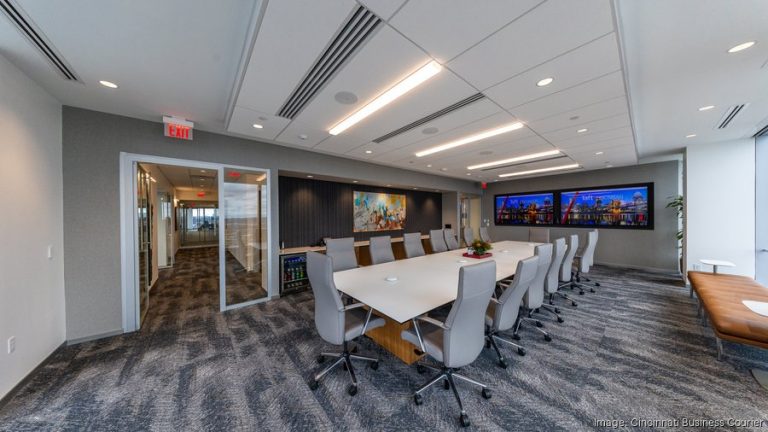
commercial flooring installers

Budgeting for Commercial Flooring Cincinnati: Tips for Businesses in Tri-State

Introduction

Budget conversations can be uncomfortable. Nobody wants to hear that their project is going to cost more than they hoped. But in commercial flooring cincinnati, a realistic budget is one of the most valuable things you can start with — because it shapes every decision that follows.

This guide is for facility managers, business owners, property developers, and contractors in Cincinnati, Ohio, Kentucky, and Indiana who want to approach their next commercial flooring project with clear financial expectations and a smart investment strategy.

Why Commercial Flooring Budgets Go Wrong

Before we talk about how to budget well, it helps to understand how budgets typically go sideways on commercial flooring projects.

The most common causes of budget overruns include:

  • Underestimating the scope of subfloor preparation needed
  • Choosing a product without fully understanding its installation requirements
  • Failing to account for material waste factors in the quantity estimate
  • Not including removal and disposal of existing flooring in the budget
  • Overlooking costs for transitions, base materials, and detail work
  • Starting with unrealistic price-per-square-foot assumptions

None of these are inevitable. They’re all avoidable with proper planning and an honest conversation with your flooring contractor upfront.

What Actually Drives Commercial Flooring Costs

Material Selection

Flooring costs vary by product type, quality, and performance. Carpet tile, LVT, vinyl, concrete, and epoxy systems require balancing upfront cost with long-term durability and lifecycle value.

Grey Marble Background

Subfloor Preparation

Subfloor preparation is often underestimated in commercial flooring projects. Moisture control, leveling, crack repair, and adhesive removal increase costs, but skipping them causes expensive flooring failures later.

Grey Marble Background

Project Complexity

Intricate layouts, multiple flooring types in a single facility, occupied-space scheduling requirements, and custom pattern work all add to installation complexity and labor cost.

Grey Marble Background

Square Footage and Waste Factor

Materials are ordered with 5–15% extra waste for cuts, patterns, and irregular room shapes. Ignoring this allowance can cause material shortages during the flooring installation project.

Grey Marble Background

Removal and Disposal

If existing flooring needs to be removed, the labor and disposal costs need to be in the budget. This is especially significant when removing glue-down flooring or thick multilayer systems.

Grey Marble Background

Building a Realistic Commercial Flooring Budget

Here’s a practical framework for putting together a sound commercial flooring budget:

Start with a Professional Site Assessment

Accurate budgeting requires reliable information about square footage, subfloor conditions, access constraints, and project scope. A professional assessment from Axis Interior Systems provides the data needed to create an accurate commercial flooring project budget.

Grey Marble Background

Define Your Performance Requirements First

Understanding flooring requirements for durability, safety, aesthetics, and maintenance helps define the right product range. This prevents specifying flooring that exceeds or falls short of actual project needs, helping balance performance, functionality, and overall project value effectively.

Grey Marble Background

Get a Detailed, Itemized Proposal

A professional commercial flooring proposal should clearly itemize materials, subfloor preparation, labor, removal, disposal, transitions, and other costs. Avoid proposals that present a single bundled square-foot price without detailed breakdown, as transparency is essential for accurate budgeting and evaluation.

Grey Marble Background

Build in a Contingency

Even with careful planning, unexpected conditions can still arise during commercial flooring projects. A 5–10% contingency buffer is recommended as good practice, particularly in older facilities, to manage unforeseen issues and ensure the project stays on schedule and within budget.

Grey Marble Background

Long-Term Value Versus Lowest Upfront Cost

One of the most important budget conversations we have with clients is about lifecycle cost versus upfront cost. In commercial flooring, the cheapest option rarely represents the best value.

A flooring product that costs modestly more per square foot but lasts 15 years instead of 8, requires less maintenance, and doesn’t need early replacement will almost always be more economical over the life of the facility.

Axis Interior Systems helps clients across the Tri-State region evaluate these trade-offs honestly, so budget decisions are made with full information.

Working with a Trusted Commercial Flooring Partner in the Tri-State Region

Axis Interior Systems serves businesses in Cincinnati, throughout Ohio, northern Kentucky, and southern Indiana. We provide transparent, detailed proposals that give our clients a clear, honest picture of what their project will cost — and why.

We don’t pad numbers, and we don’t hide costs in vague line items. Our clients deserve clarity, and we deliver it.

Frequently Asked Questions

Costs vary significantly based on material, scope, and site conditions. LVT and carpet tile projects for standard commercial offices might range from $4 to $12 per square foot installed, while specialty systems like polished concrete or epoxy may vary beyond that range. Get a site-specific assessment for accurate numbers.

Yes. Occupied-space projects often involve off-hours labor, additional phasing coordination, and longer overall timelines, which can affect total cost. Factor this in from the start.

Yes. Phased commercial flooring projects are common and can help manage cash flow. We work with clients to develop phasing plans that balance budget flexibility with operational needs.

Choose materials that are appropriate for the application without over-specifying. Invest in proper subfloor prep to extend the life of the floor. And partner with a contractor who plans efficiently to minimize wasted labor time.

Contact us directly to discuss payment and project scheduling options that work for your organization’s financial structure.

We carefully schedule noisy work during off-hours whenever possible and use phased installation strategies to reduce disruption in occupied areas. Our crews also coordinate closely with facility management to maintain safe access and normal operations throughout the project.

Conclusion

A smart commercial flooring budget is built on accurate information, honest trade-off conversations, and realistic expectations. When you invest in proper planning and quality execution, the floor you install will deliver value for years to come.

Axis Interior Systems helps businesses across Cincinnati, Ohio, Kentucky, and Indiana budget with confidence — and deliver commercial flooring projects that perform as promised.

Ready to Transform Your Commercial Space?

Whether you're planning a full-scale renovation or a targeted flooring upgrade, Axis Interior Systems is ready to help. We serve businesses across Cincinnati, Ohio, Kentucky, Indiana, and the broader Tri-State area with expert commercial flooring services that are built around your goals, your timeline, and your budget.

Explore More Flooring Insights

Discover additional insights on commercial flooring systems, installation methods, and performance considerations across various industries.

Copyright © 2026 IPRS Consultants. - All rights reserved.

Scroll to Top