
Material Selection
Flooring costs vary by product type, quality, and performance. Carpet tile, LVT, vinyl, concrete, and epoxy systems require balancing upfront cost with long-term durability and lifecycle value.

Subfloor Preparation
Subfloor preparation is often underestimated in commercial flooring projects. Moisture control, leveling, crack repair, and adhesive removal increase costs, but skipping them causes expensive flooring failures later.
Project Complexity
Intricate layouts, multiple flooring types in a single facility, occupied-space scheduling requirements, and custom pattern work all add to installation complexity and labor cost.
Square Footage and Waste Factor
Materials are ordered with 5–15% extra waste for cuts, patterns, and irregular room shapes. Ignoring this allowance can cause material shortages during the flooring installation project.
Removal and Disposal
If existing flooring needs to be removed, the labor and disposal costs need to be in the budget. This is especially significant when removing glue-down flooring or thick multilayer systems.
Start with a Professional Site Assessment
Accurate budgeting requires reliable information about square footage, subfloor conditions, access constraints, and project scope. A professional assessment from Axis Interior Systems provides the data needed to create an accurate commercial flooring project budget.
Define Your Performance Requirements First
Understanding flooring requirements for durability, safety, aesthetics, and maintenance helps define the right product range. This prevents specifying flooring that exceeds or falls short of actual project needs, helping balance performance, functionality, and overall project value effectively.
Get a Detailed, Itemized Proposal
A professional commercial flooring proposal should clearly itemize materials, subfloor preparation, labor, removal, disposal, transitions, and other costs. Avoid proposals that present a single bundled square-foot price without detailed breakdown, as transparency is essential for accurate budgeting and evaluation.
Build in a Contingency
Even with careful planning, unexpected conditions can still arise during commercial flooring projects. A 5–10% contingency buffer is recommended as good practice, particularly in older facilities, to manage unforeseen issues and ensure the project stays on schedule and within budget.

The Hidden Factor That Speeds Public Sector Approvals: Flooring Records Compliance
How Real-Time Jobsite Monitoring Improves Commercial Flooring Outcomes
Beyond Aesthetics: How Smart Commercial Flooring Shapes Safety and Modern Workspaces

Preventing Retail Flooring Failures Before Year Two Strategies
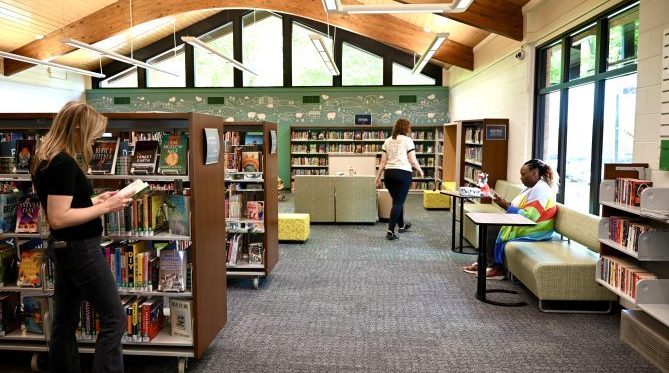
Commercial Flooring Carpet: A Strategic Choice for Modern Spaces
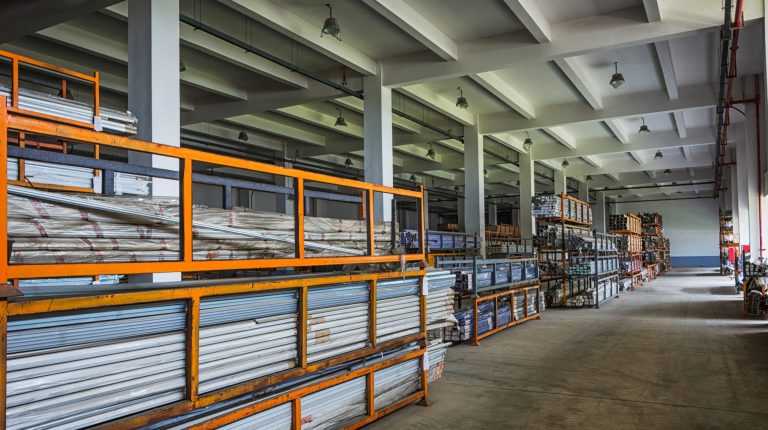
Durable Commercial Flooring Materials for Warehouse Environments
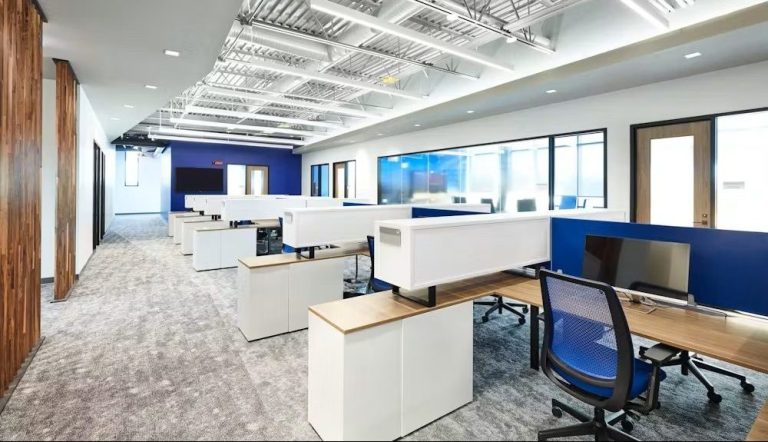
Best Modern Durable High-Performance Flooring for a Commercial Office

Best Types of Commercial Flooring for High-Traffic Office Spaces
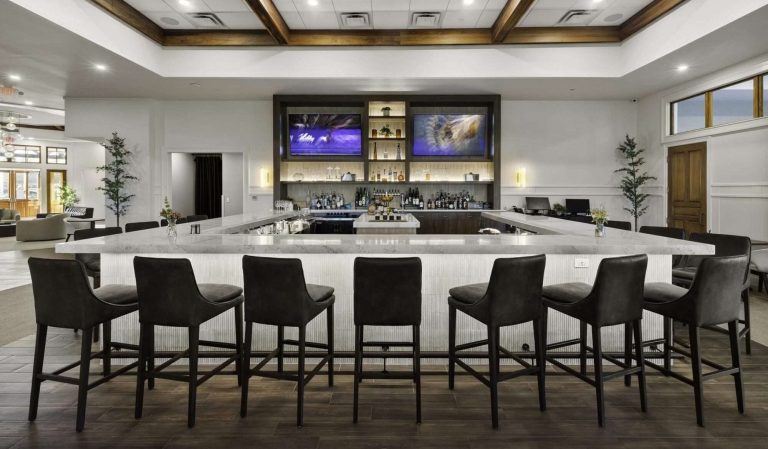
Best High-Performance Commercial Flooring Options for Restaurants
7 Ways a Commercial Flooring Company in Cincinnati Ensures Quality Results
Budgeting for Commercial Flooring Cincinnati: Tips for Businesses in Tri-State
Epoxy Flooring for Commercial Spaces: Is It Worth It for Warehouses
Why Project Visibility Is Replacing Guesswork in Commercial Flooring
The Flooring Gap Facilities Teams Inherit but Rarely Influence

How Early Flooring Decisions Shape Long-Term Building Performance
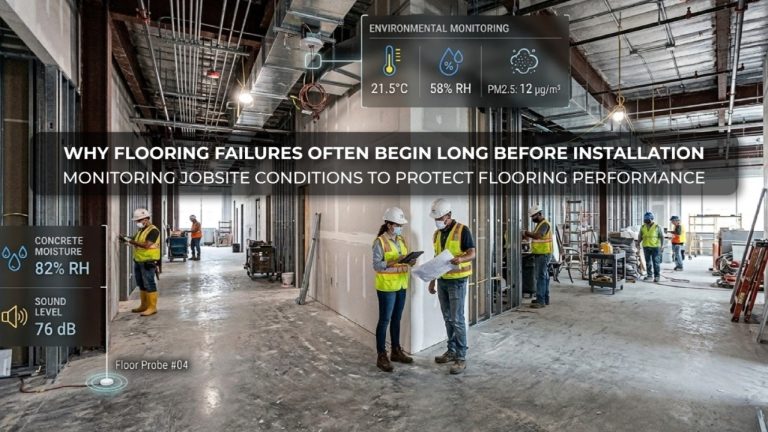
Why Flooring Failures Often Begin Long Before Installation Monitoring
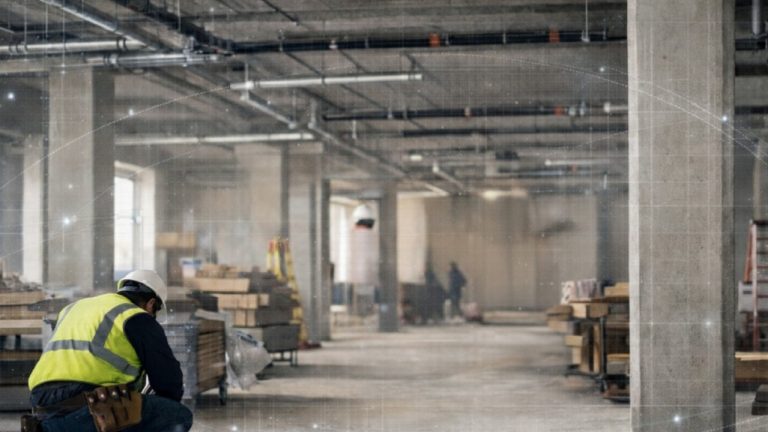
From Trust-Based to AI-Verified: Rethinking Installation Accountability
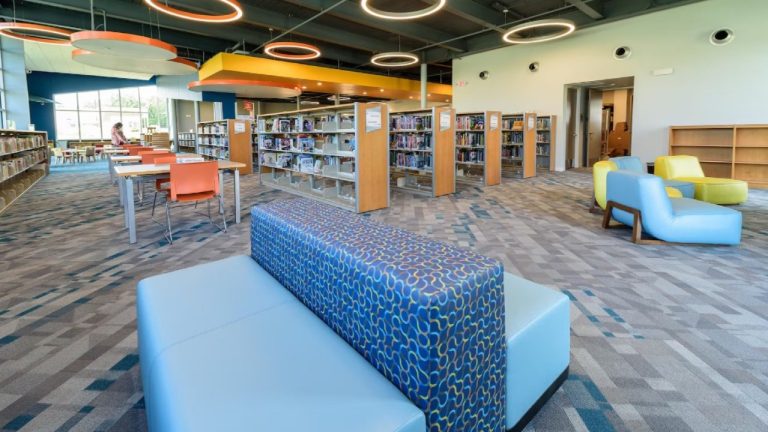
Commercial Flooring Costs: What the Numbers Actually Say Explained

Carpet vs Hard Flooring in Commercial Spaces: What’s Best for Offices, Schools