
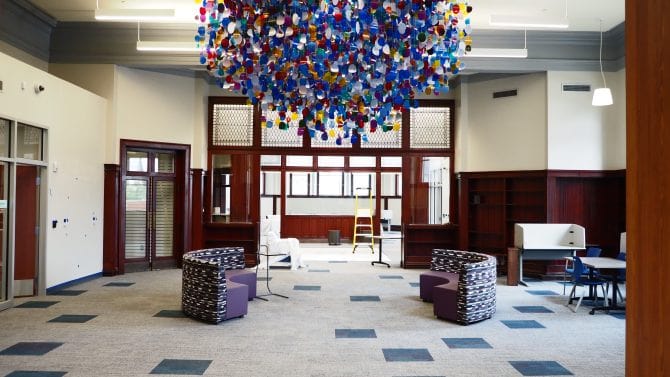
7 Key Factors for Choosing the Right Commercial Flooring Materials

Introduction

Walk into a commercial flooring showroom without a clear plan, and you’ll quickly find yourself overwhelmed. There are dozens of product categories, hundreds of styles, and countless performance claims. How do you know what’s actually right for your facility?

The truth is, choosing commercial flooring isn’t primarily a visual decision — it’s a strategic one. The right flooring solution for a hospital is completely different from the right choice for a corporate office or a manufacturing floor. Getting it right requires a structured approach.

Here are the key considerations every facility manager, architect, contractor, and business owner should think through before committing to a commercial flooring solution.

1. Understand How the Space Will Be Used

Start with function, not aesthetics. The way your space is used every day should drive the selection process. Consider:

  • How many people move through this area daily?
  • Are there wheeled vehicles, carts, or heavy equipment?
  • Will the floor be exposed to liquids, oils, or chemicals?
  • Is the space climate-controlled, or subject to temperature swings?
  • Are there areas with direct sunlight or UV exposure?

Each of these factors affects which flooring materials will hold up over time — and which will fail faster than expected.

2.Choose the Right Commercial Flooring Material

Once you understand the space, you can evaluate materials with real criteria. Here’s a quick breakdown of how common commercial flooring materials align with different environments:

Luxury Vinyl Tile (LVT)

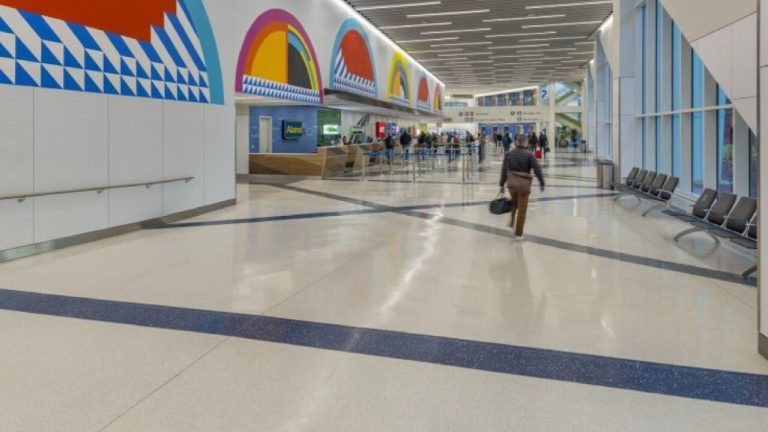
Best for: Healthcare, education, office, retail. Excellent water resistance, durability, and variety of styles. One of the most versatile commercial flooring solutions available today.

Grey Marble Background

Carpet Tile

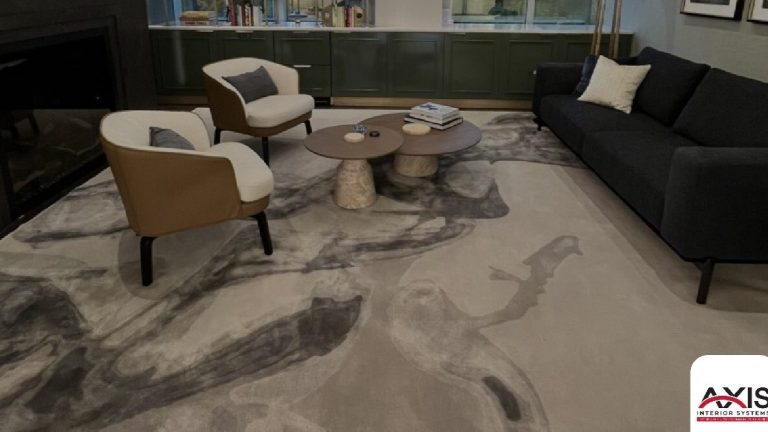
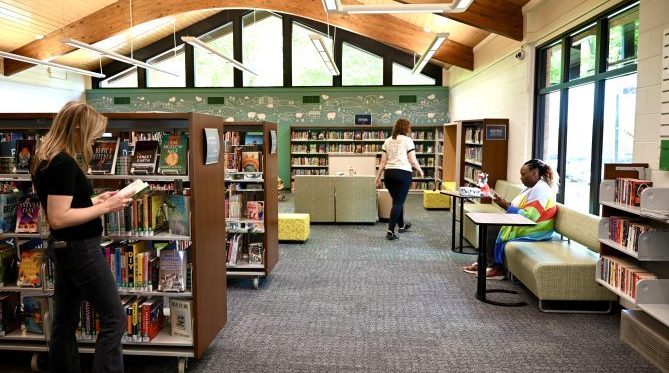
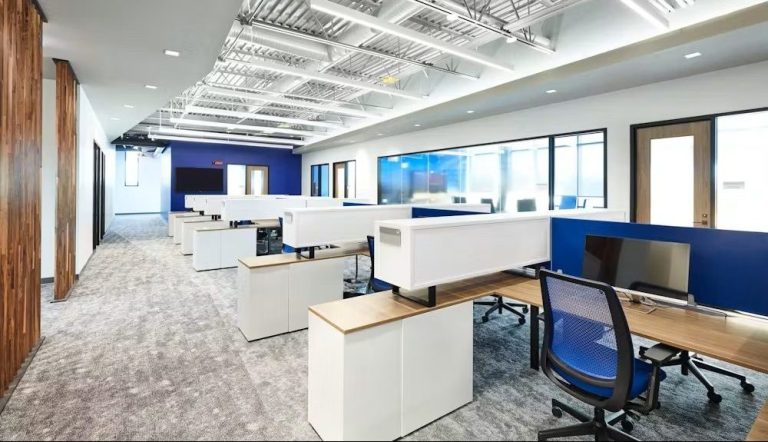
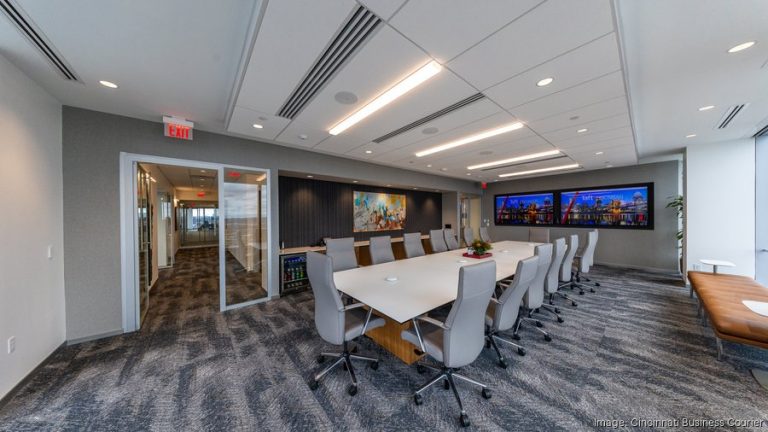
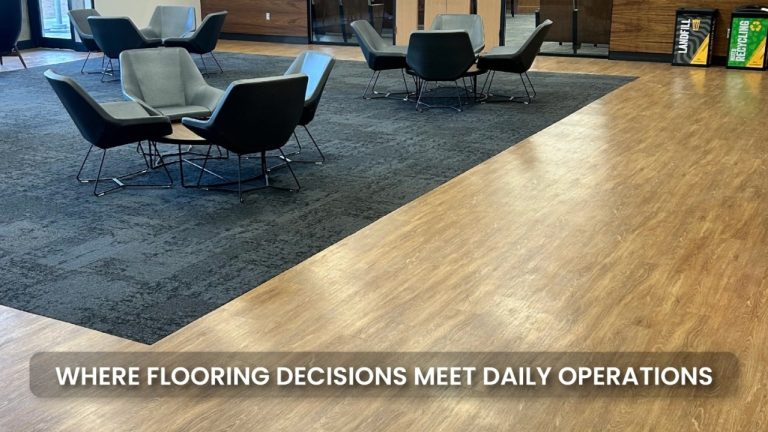
Best for: Corporate offices, conference rooms, educational facilities. Provides acoustic benefits and a softer aesthetic. Easy to replace sections without full installation redoing.

Grey Marble Background

Polished Concrete

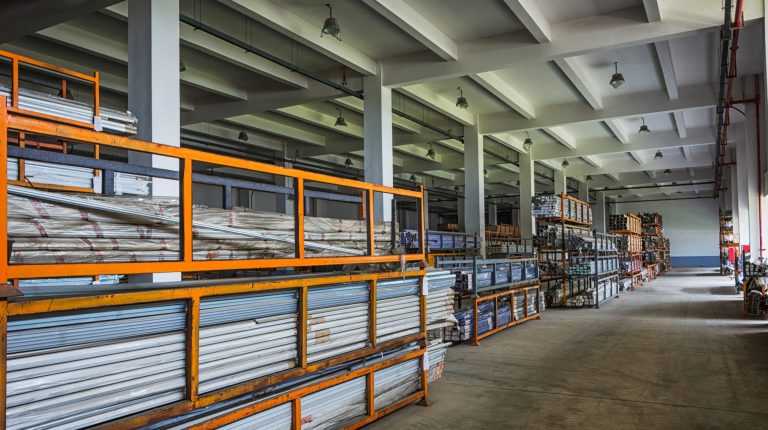
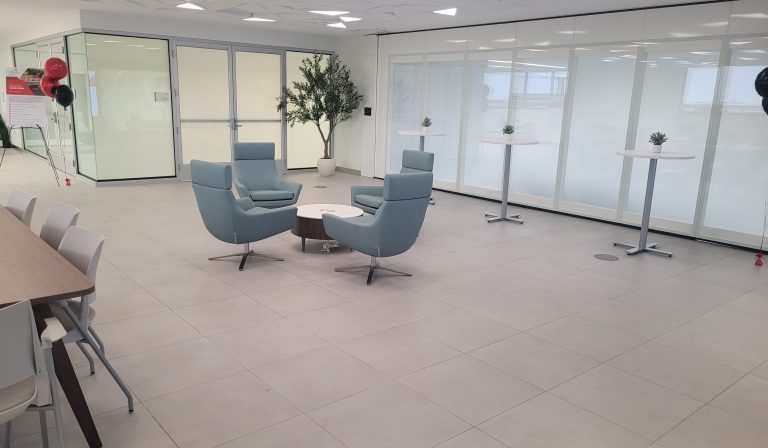
Best for: Warehouses, industrial spaces, modern retail or restaurant environments. Cost-effective, extremely durable, and easy to maintain.

Grey Marble Background

Epoxy/Resinous Systems

Best for: Industrial facilities, food processing plants, commercial kitchens, auto shops. Seamless, chemical-resistant, and highly customizable.

Grey Marble Background

Hardwood or Engineered Wood

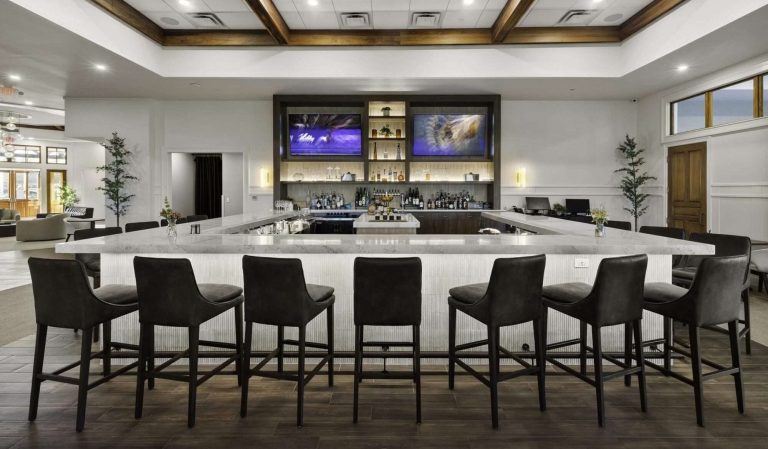
Best for: Upscale offices, hotels, boutique retail. Warm, professional appearance with commercial-grade durability options.

Grey Marble Background

Rubber Flooring

Best for: Gyms, healthcare facilities, schools, and commercial kitchens. Rubber flooring offers excellent slip resistance, sound absorption, and comfort underfoot while standing up well to heavy daily use.

Grey Marble Background

3. Consider the Total Cost of Ownership

Upfront material cost is only one part of the flooring equation. When evaluating commercial flooring options, think about the full lifecycle cost:

  • Installation labor and subfloor preparation
  • Ongoing maintenance requirements and product costs
  • Expected useful life before replacement is needed
  • Warranty coverage and ease of warranty claims

A flooring product that costs a little more upfront but lasts 10 years with minimal maintenance may be far more cost-effective than a cheaper option that needs replacing in five.

4. Don't Overlook Safety Requirements

Commercial flooring must meet specific safety standards depending on the type of facility and the areas where it will be installed. Slip resistance ratings, fire ratings, and ADA accessibility compliance are all critical considerations — especially in healthcare, education, and public-access facilities.

Working with an experienced commercial flooring contractor like Axis Interior Systems ensures that every product you choose meets the applicable safety and compliance standards for your industry and location.

5. Think about Installation Logistics

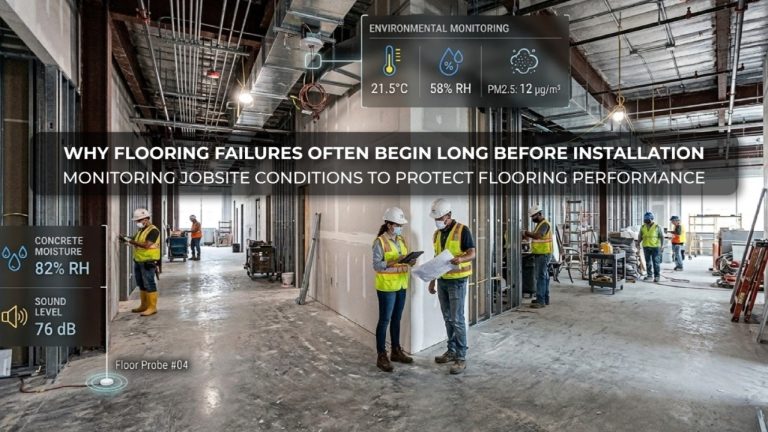
Some flooring products are easier to install than others, and some require longer cure times or specific environmental conditions. If your business needs to stay operational during installation, you’ll want a product that can be installed in phases with minimal disruption.

Glue-down LVT and carpet tile, for instance, allow for phased installation and relatively quick return-to-service times. Polished concrete or epoxy systems may require more controlled conditions and longer cure periods.

6. Factor in Aesthetics and Brand Identity

Flooring is a significant visual element of your commercial space. It should support your brand identity and create the right experience for employees, clients, and visitors. Fortunately, most commercial flooring solutions today offer extensive design options — colors, patterns, textures, and custom layouts that elevate any interior.

7. Partner with Experienced Commercial Flooring Experts

The most important consideration of all? Don’t make these decisions alone. An experienced commercial flooring company brings the product knowledge, installation expertise, and project management capabilities that turn a complex decision into a confident one.

Axis Interior Systems serves businesses across Ohio, Kentucky, Indiana, and the entire Tri-State region. Our team helps clients evaluate all the right factors and arrive at the commercial flooring solution that best fits their facility, budget, and goals.

Frequently Asked Questions

Durability depends on the environment, but polished concrete, epoxy flooring, luxury vinyl tile (LVT), and certain commercial carpet tile systems are among the most durable options for high-traffic facilities.

The best flooring choice depends on traffic levels, maintenance requirements, moisture exposure, safety standards, aesthetics, and long-term budget considerations.

Healthcare facilities commonly use sheet vinyl, LVT, rubber flooring, and other non-porous materials that support infection control, durability, and ease of cleaning.


Polished concrete, epoxy flooring, and certain luxury vinyl products are often considered among the lowest-maintenance commercial flooring solutions.

Depending on the material and maintenance program, commercial flooring can last anywhere from 10 to 30 years or longer.

Not necessarily. The best flooring solution is the one that matches the facility’s operational needs, traffic demands, maintenance capabilities, and long-term goals.


Conclusion

Choosing the right commercial flooring solution is one of the most impactful decisions you’ll make for your facility. By thinking through usage requirements, material performance, total cost, safety, and installation logistics, you can make a confident, informed choice.

Axis Interior Systems is here to guide you through every step of that process — with expertise, integrity, and genuine commitment to your project’s success.

Ready to Transform Your Commercial Space?

Whether you're planning a full-scale renovation or a targeted flooring upgrade, Axis Interior Systems is ready to help. We serve businesses across Cincinnati, and the broader Tri-State area with expert commercial flooring services that are built around your goals, your timeline, and your budget.

Contact us today to schedule a free consultation or request a project quote. Let's build something great together.

Explore More Flooring Insights

Discover additional insights on commercial flooring systems, installation methods, and performance considerations across various industries.

Copyright © 2026 IPRS Consultants. - All rights reserved.

(513) 645-1110

estimating@axisinteriorsystems.com

12 Kiesland Ct, Hamilton, OH 45015

Copyright © 2026 IPRS Consultants. - All rights reserved.

Scroll to Top