Seamless emergency department flooring in a hospital treatment corridor 1

Emergency Department Flooring: Built for 24/7 Use

The hardest-working floor in the hospital

The emergency department never closes. Stretchers roll in at 3 a.m., trauma teams sprint between bays, and cleaning crews disinfect rooms between patients around the clock. Every one of those moments happens on the floor.

That makes emergency department flooring one of the most demanding specifications in healthcare. It has to resist fluids and harsh disinfectants, stay slip-resistant, carry heavy rolling loads, and survive without the downtime other departments can schedule.

This guide explains what ER floors face, which materials perform best in each zone, and how to renovate an emergency department without shutting it down.

What makes ED flooring different

Other hospital departments share some of these challenges. The ED faces all of them at once, every hour of the day.

Nonstop traffic and rolling loads

Stretchers, wheelchairs, portable X-ray units, crash carts, and supply carts cross the same paths constantly. Floors near the ambulance entrance and main corridors take the heaviest punishment. Soft or poorly bonded floors indent, gouge, or delaminate under that load.

Bodily fluids and spills

Blood, vomit, IV fluids, and cleaning solutions hit ED floors every day. Any seam, crack, or porous surface can trap contaminants and become an infection control risk.

Aggressive disinfection

ED rooms are cleaned with hospital-grade disinfectants many times a day. Floors that aren’t chemically resistant can discolor, soften, or lose their finish quickly.

Slip and fall risk for staff and patients

Staff move fast, often on wet floors. Patients may be disoriented, injured, or impaired. Slip resistance isn’t optional; it protects everyone in the department.

No downtime

Unlike an outpatient clinic that closes on weekends, the ED runs 24/7/365. Repairs and replacements must happen in phases while care continues around the work zone.

Flooring options for emergency departments

Heat-welded sheet vinyl

Homogeneous sheet vinyl with heat-welded seams provides a continuous, non-porous surface ideal for healthcare spaces such as treatment bays, exam rooms, corridors, and soiled utility rooms. It offers seamless installation, chemical resistance, affordability, and various color options. However, selecting the right product is important to prevent indentation under concentrated loads.

Grey Marble Background

Sheet rubber flooring

Rubber flooring is resilient, comfortable for staff working long shifts, and naturally slip-resistant. It also helps reduce noise from footsteps and rolling equipment, making it ideal for corridors, nurse stations, trauma rooms, and staff work areas. Its strengths include durability, underfoot comfort, sound absorption, and often requiring no wax. However, it has a higher upfront cost and requires compatible cleaners.

Grey Marble Background

Seamless resinous flooring

Poured epoxy or urethane systems create a monolithic floor with an integral cove base, offering durability and chemical resistance. They are ideal for decontamination rooms, soiled utility areas, trauma spaces, and ambulance bay entries. Their strengths include seamless installation, impact and chemical resistance, and customizable slip texture. However, they require longer cure times and odor control during installation.

Grey Marble Background

Commercial LVT

LVT works well in lower-acuity ED spaces where seamless surfaces are not required. It is best suited for family waiting areas, staff lounges, and offices. Its strengths include a warm appearance, easy section replacement, and budget-friendly cost. However, its seams make it unsuitable for clinical zones requiring monolithic flooring.

Grey Marble Background

Porcelain tile and terrazzo

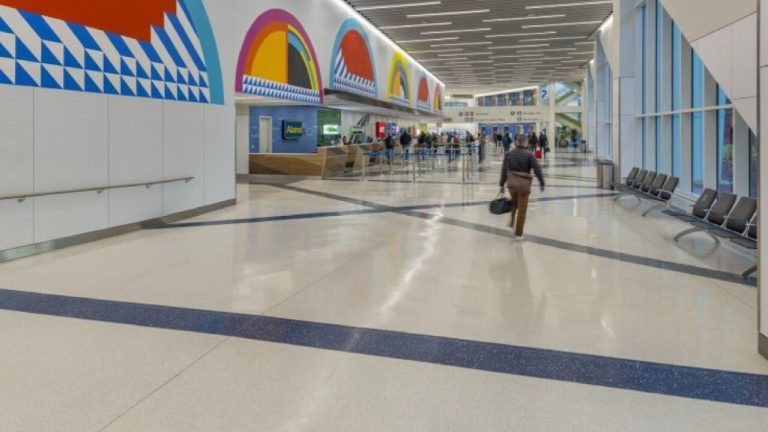
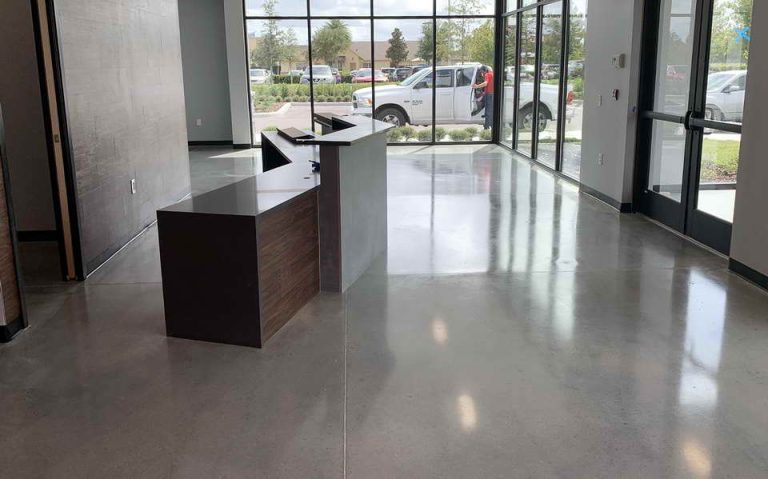
These hard surfaces are well suited for the public-facing areas of the ED, including walk-in entrances, lobbies, and public restrooms. They offer excellent durability, easy cleaning, and a strong first impression. However, they can feel hard underfoot and require slip-resistant finishes near entrances to help maintain safety.

Grey Marble Background
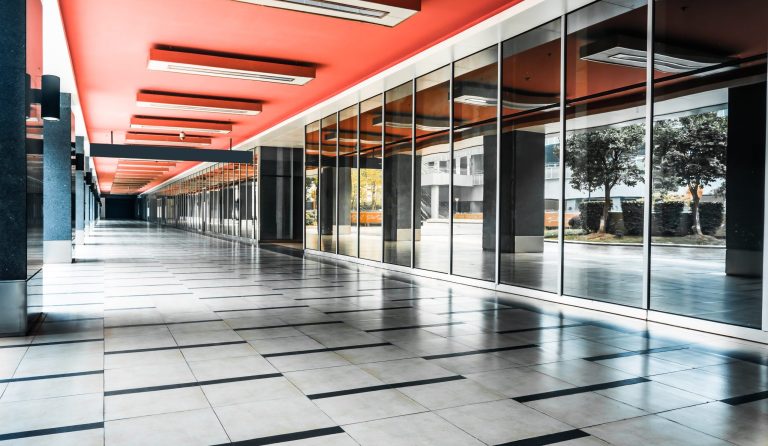
Seamless emergency department flooring in a hospital treatment corridor

Matching flooring to ED zones

Each ED zone has different flooring needs. Ambulance entrances need durable resinous or rubber flooring for water and heavy loads, while waiting areas can use tile, LVT, or carpet tile. Triage, treatment, and exam rooms benefit from heat-welded sheet vinyl or rubber with integral cove. Trauma and decontamination rooms need seamless, durable flooring, while behavioral health rooms require tamper-resistant options. Nurse stations benefit from comfortable, noise-reducing flooring. Always check requirements against the FGI Code edition enforced in your state.

Design features that make ED floors work better

Design features that make ED floors work better

A flooring material that curves up the wall removes the joint where fluids and microbes collect. It also makes mopping and wet cleaning faster.

Color for wayfinding and zoning

Color bands in the floor can guide patients from the entrance to triage and help staff identify zones quickly. Contrasting colors also help patients with impaired vision see changes in floor plane.

Matte, low-glare finishes

Glossy floors reflect bright clinical lighting, which can disorient patients and make spills harder to see. Matte finishes reduce glare and visual confusion.

Comfort and acoustics for staff

ED nurses and physicians spend long shifts on their feet. Resilient floors like rubber reduce fatigue and help lower the overall noise level in a loud, stressful environment.

Renovating an ED without closing it

Most ED flooring projects happen in an active department. Success depends on planning with clinical leaders, infection prevention, and facilities from the start.

  1. Phase the work by zone. Close a small group of bays at a time while the rest of the department stays open.
  2. Complete an infection control risk assessment. Use proper barriers, negative air, and dust control to protect patients.
  3. Schedule around patient volume. Work in lower-volume periods and coordinate closely with charge nurses.
  4. Choose materials that fit the schedule. Fast-curing adhesives and rapid-return-to-service products reduce downtime.
  5. Test moisture before installation. Old slabs in hospital additions often have hidden moisture problems that cause adhesive failure.
  6. Hand back clean, safe rooms. Each phase should finish with a punch list, cleaning, and sign-off before patients return.

Axis has written in detail about renovating occupied hospitals. Link to that article here for readers planning a live project.

Maintenance that keeps ED floors performing

The right floor still fails with the wrong maintenance. Build these into your environmental services program:

  • Use cleaning and disinfecting products approved by the flooring manufacturer
  • Avoid floor waxes on products designed for no-wax maintenance
  • Inspect heat-welded seams and cove base for gaps or lifting
  • Repair damage quickly so fluids can’t get under the floor
  • Keep entrance matting clean and dry, especially near the ambulance bay

The bottom line on emergency department flooring

Emergency department flooring has to be seamless where fluids are common, tough enough for constant rolling loads, safe under wet conditions, and installed without stopping patient care. Heat-welded sheet vinyl, sheet rubber, and resinous systems handle the clinical core, while durable hard surfaces and LVT serve public and staff spaces.

Plan by zone, confirm code requirements, and choose a contractor experienced in live healthcare environments.

Frequently asked questions about emergency department flooring

Heat-welded sheet vinyl, sheet rubber, and seamless resinous flooring are the most common choices for clinical ED spaces because they’re seamless and chemical resistant.

Yes. Projects are phased by zone with infection control barriers, so most of the department stays open.

Both perform well. Rubber offers more comfort and sound absorption, while sheet vinyl is often more budget-friendly.

It removes the floor-to-wall joint where fluids and microbes collect, which supports infection control.

ED flooring is designed to withstand heavy foot traffic, medical equipment, frequent cleaning, and disinfectants without wearing down quickly.

Regular cleaning with approved disinfectants, prompt spill removal, and routine inspections help keep ED flooring hygienic and in good condition.

Plan your ED flooring project with Axis

Axis Interior Systems installs healthcare flooring for hospitals and clinics across Ohio, Kentucky, and Indiana. We plan phased work around live operations and deliver floors built for 24/7 care.

Explore More Flooring Insights

Discover additional insights on commercial flooring systems, installation methods, and performance considerations across various industries.

Copyright © 2026 IPRS Consultants. - All rights reserved.

Copyright © 2026 IPRS Consultants. - All rights reserved.

Scroll to Top