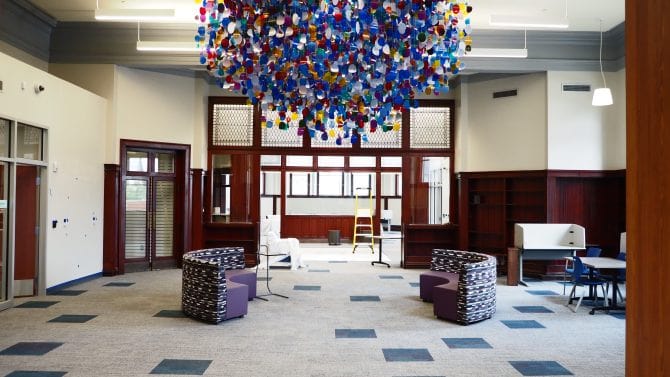
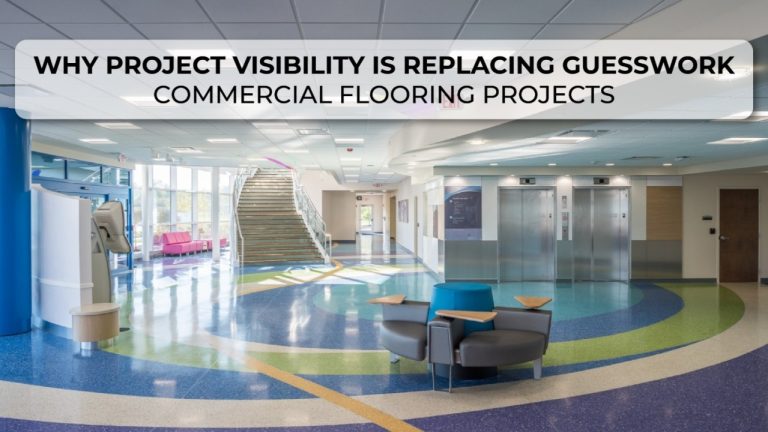
Valleyview Schools, Germantown, Ohio, Conger Construction, Fanning Howey

What Is the Best Commercial Flooring for Stairs?

Introduction

Stairwells take more abuse than almost any other surface in a commercial building. Yet they’re often the last line item anyone budgets for until a slip and fall incident forces the issue. If you are a facilities manager or property owner trying to figure out the best flooring for stairs, the right choice comes down to three things: how much traffic the stairwell sees, what your local code requires, and how much risk you are willing to carry on your insurance policy.

Why Stair Flooring Matters in Commercial Buildings

Stairs are a leading location for slip and fall injuries in commercial and multi-tenant buildings. The liability exposure is real. Worn treads, inconsistent nosing, or the wrong surface material can turn an ordinary stairwell into a hazard and a lawsuit waiting to happen.

Building and life safety codes typically require stair treads and nosing to meet minimum slip resistance and visibility standards, particularly in egress stairwells used during emergencies. Insurance carriers pay attention to this too. A documented history of proper stair flooring, maintenance, and signage can materially affect premiums and claims outcomes after an incident.

Beyond compliance, there is simple wear-and-tear economics. Stairwells in office buildings, hospitals, schools, and parking structures see concentrated foot traffic in a narrow footprint, which means the flooring degrades faster than in open areas. The same logic that applies to high-traffic commercial flooring elsewhere in a building applies doubly to stairs. Except here, a worn or delaminating surface isn’t just an aesthetic problem it’s a fall risk.

Best Flooring Options for Commercial Stairs

There isn’t a single best material for every building. The right choice depends on traffic volume, budget, and whether the stairwell is a primary circulation path or a secondary egress route. Here’s how the main flooring options for stairs compare.

What Makes Flooring Slip-Resistant on Stairs

When evaluating the best non slip flooring for stairs, look beyond the flooring material itself. The surface texture, stair nosing, installation quality, and maintenance condition all affect how a stairway performs.

Surface Texture

Texture can increase traction by creating more resistance between footwear and the walking surface. Rubber products may incorporate textured patterns, while vinyl and epoxy products can use different finishes designed for commercial applications. The right texture depends on the environment. A surface that works well in a dry office stairwell may not be appropriate for a facility where water, dirt, grease, or other contaminants are common.

Stair Nosing

Nosing deserves special attention because it marks the leading edge of every step. A properly designed nosing can provide additional traction while making each tread easier to distinguish visually. Nosing can be integrated into rubber stair treads or added as a separate component depending on the flooring system. Contrast can also help make the edge more visible, particularly in stairwells with limited lighting.

Coefficient of Friction

Coefficient of friction, or COF, describes the resistance between two surfaces when they move against each other. In simple terms, a higher friction value generally indicates greater resistance to sliding. There is no single COF value that should be used as a universal answer for every commercial stair project. Applicable requirements can depend on the building type, jurisdiction, flooring system, and specific application. For that reason, facilities managers and contractors should review the product’s published testing information and confirm applicable requirements with the project’s architect, code official, or other qualified professional.

Installation and Maintenance

Even a suitable flooring product can become problematic if it is poorly installed or neglected. Loose edges, damaged seams, worn nosing, and surface contamination can affect how the stairway performs. Routine cleaning and inspections should be part of the facility’s maintenance plan. Damaged areas should be addressed before they become larger problems.
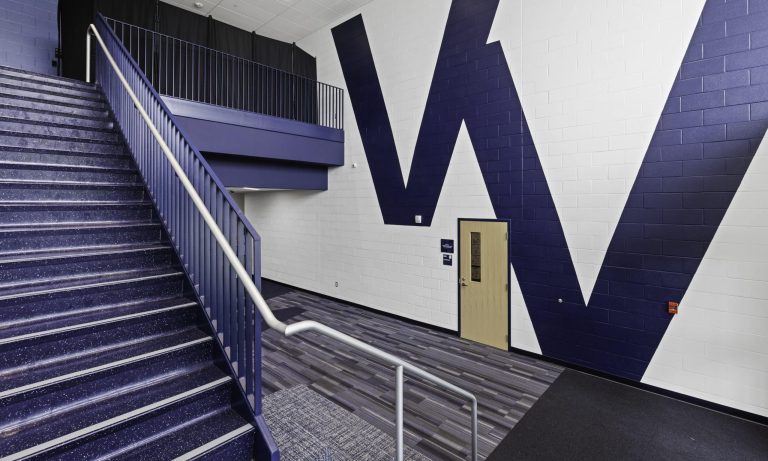
best flooring for stairs

Commercial Stair Flooring: Appearance and Design Considerations

Commercial stair flooring doesn’t have to sacrifice appearance for durability. The right material can complement surrounding floors while helping define each step clearly. Vinyl and LVT offer a wide range of design options, while rubber is often preferred for areas where durability and heavy traffic are priorities. Exploring available flooring services can help facilities identify solutions that fit their design and performance needs. A well-coordinated stairwell can look professional while still providing the durability needed for everyday commercial use.

How to Choose the Right Commercial Stair Flooring for Your Facility

Choose commercial stair flooring based on traffic, durability, maintenance, safety, and code requirements. High-traffic stairwells typically benefit from rubber stair treads or durable commercial vinyl flooring, while secondary stairs may suit more economical options. Always verify requirements for slip resistance, stair nosing, and visual contrast before installation. When comparing quotes, consider removal, substrate preparation, installation, and code-compliant nosingnot just material cost per step. This provides a more accurate view of long-term value.

Frequently Asked Questions

For most commercial stairwells, rubber and commercial-grade vinyl (LVT) are the top choices, with rubber generally preferred for heavy-traffic or industrial settings and vinyl offering more design flexibility for offices and retail spaces.

Rubber stair treads with contrasting non-slip nosing are typically the most slip-resistant option, though textured vinyl and aggregate-finished epoxy with proper nosing can also meet slip-resistance expectations.

Most building codes and ADA guidance call for visible, slip-resistant nosing on commercial stair treads, particularly in egress stairwells, but exact requirements vary by jurisdiction and occupancy type. Check with your local code official or architect.

It depends on traffic and material, but visible wear, delamination, loose nosing, or fading contrast strips are all signs it’s time for an inspection  regardless of what the manufacturer’s spec sheet promises.

Rubber stair treads are among the most durable options for high-traffic commercial stairwells because they withstand heavy foot traffic, repeated cleaning, and daily wear.

Yes. Commercial-grade vinyl stair treads and LVT can be suitable for commercial stairs, particularly in offices, retail spaces, and other moderate-to-heavy traffic areas when properly installed with appropriate slip-resistant nosing.

Conclusion

Choosing the best flooring for stairs requires more than comparing material prices. Traffic levels, durability, traction, nosing, maintenance, appearance, and applicable code requirements all play a role in selecting the right system. Rubber stair treads are a strong option for demanding environments, while commercial vinyl can provide a practical balance of durability, maintenance, and design flexibility. With proper substrate preparation, installation, and ongoing maintenance, the right commercial flooring for stairs can provide reliable performance for years.

Ready to Upgrade Your Commercial Stairwell?

Improve safety, durability, and appearance with the right commercial stair flooring system. Contact Axis Interior Systems for expert guidance and a project quote.


Copyright © 2026 IPRS Consultants. - All rights reserved.

Scroll to Top