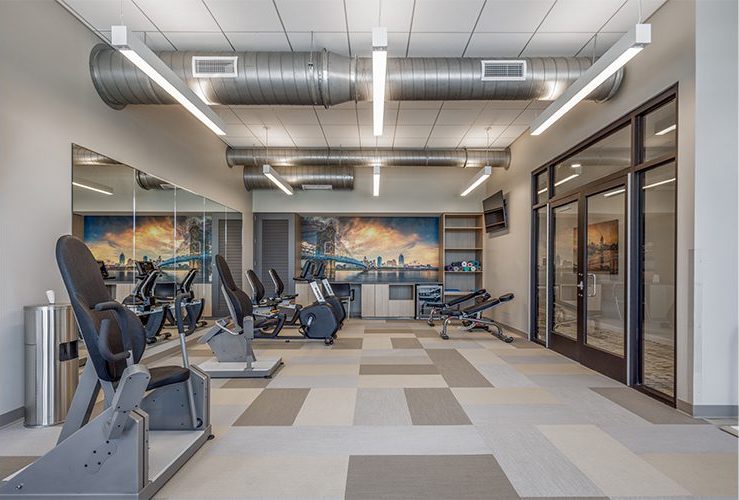
Choosing the right commercial gym flooring is about much more than finding a surface that looks good. A gym floor has to handle dropped weights, constant foot traffic, moving equipment, sweat, cleaning chemicals, and repeated impact without becoming a maintenance problem. For gym owners, facilities managers, and property developers, the right flooring can also improve comfort, reduce noise, protect the subfloor, and help create safer training areas. But there is no single product that is best for every part of a commercial fitness facility. Weight rooms, cardio areas, turf zones, and group fitness studios can all have different performance requirements. The best approach is to select flooring based on how each area will actually be used. Here’s what to consider when comparing commercial gym flooring options.
A commercial gym puts considerably more stress on flooring than a typical office or retail environment. Before choosing a material, consider four key performance characteristics.
Rubber gym flooring helps cushion the impact of dropped weights, dumbbells, kettlebells, and other equipment. It also provides a resilient surface that feels more comfortable during demanding strength workouts.
Commercial gyms can see hundreds of people walking across the same floor every day. Equipment may also be moved or repositioned regularly. A durable floor should resist wear from foot traffic, equipment, and repeated workouts. Material selection should match the demands of each area rather than using one product throughout the facility. For high-traffic spaces, durable commercial flooring can offer reliable long-term performance.
Dropped weights and moving equipment can create a lot of noise in busy gyms. Rubber flooring helps soften these impacts, making weight rooms quieter and more comfortable, especially in multi-level buildings.
Sweat, spills, and frequent cleaning are part of everyday gym use. Flooring should resist moisture and be easy to clean, helping staff maintain a hygienic, safe, and attractive workout environment.
There’s no single answer to what makes the best commercial gym flooring. The right choice depends on the type of activity, equipment, and level of use in each area of the facility.
Rubber flooring is a reliable choice for commercial gyms, especially weight rooms, free-weight areas, functional training zones, and high-impact spaces. Rubber rolls minimize seams, while tiles simplify section replacement. Commercial-grade rubber delivers durability, impact resistance, traction, and sound control for demanding workout environments.

Artificial turf is ideal for functional fitness and athletic training areas, including sled pushes, agility drills, sprint work, athletic conditioning, and movement-based exercises. It creates a distinct training zone while providing a surface designed for active movement. Turf can also be paired with rubber flooring to support different workout activities.

Vinyl flooring works well in group fitness spaces, multi-purpose areas, cardio zones, and athletic spaces where easy cleaning and a smooth, resilient surface matter. Vinyl sports flooring can provide consistent performance for various activities. However, it should be selected carefully, as it may not suit areas with frequent heavy-weight drops.


A commercial gym does not need to use the same flooring throughout the entire facility. A well planned fitness centre might use thick rubber flooring in the free-weight area, artificial turf in a functional training lane, and vinyl or another resilient surface in a group exercise studio.This zonal approach allows each material to perform where it makes the most sense while creating clear transitions between different types of activities.
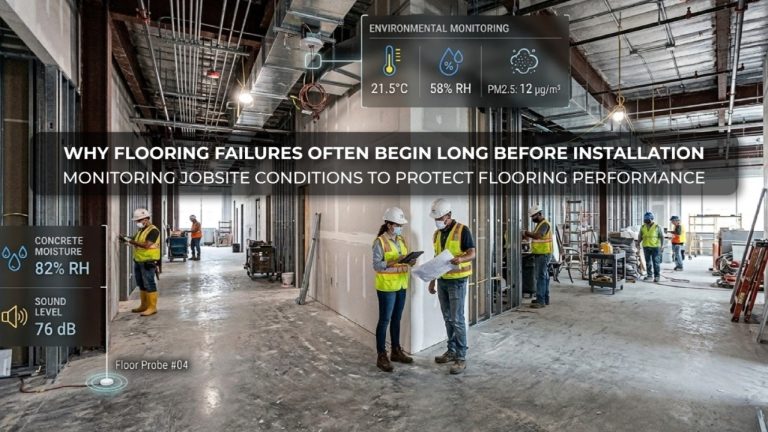
Even high-quality flooring can perform poorly if the installation is rushed or the subfloor is not properly prepared.
The installation begins with an assessment of the existing substrate. The installer needs to determine whether the surface is sufficiently clean, level, dry, and structurally suitable for the selected flooring system.Moisture conditions can also be important, particularly when installing resilient flooring over concrete.
Depending on the existing condition, preparation may involve cleaning, patching, grinding, leveling, or addressing other substrate issues.Proper preparation helps prevent visible imperfections and installation problems later.
Rubber rolls and other sheet materials require careful planning before installation. The layout should account for room dimensions, transitions, equipment placement, and seam locations.A professional commercial gym flooring installation should minimize unnecessary seams while maintaining a clean, consistent appearance.Tiles require accurate alignment and fitting around walls, columns, equipment bases, and other obstacles.
The installation method depends on the material and manufacturer’s requirements. Adhesive may be used for certain rubber or resilient flooring systems, while some modular products use interlocking construction.The installer should follow the manufacturer’s specifications for adhesive, seam treatment, acclimation, installation conditions, and required cure times.
Once installation is complete, the floor should be inspected for seams, transitions, edges, surface defects, and other installation concerns.For larger commercial projects, installation may also be coordinated around equipment delivery, other trades, and the facility’s opening schedule.For a broader look at planning, substrate preparation, installation, and final inspection, see this guide to the flooring installation process.
The initial price of commercial gym flooring is only one part of the total cost. Facility managers should also consider installation, expected lifespan, maintenance requirements, and how easily damaged sections can be repaired or replaced. Thicker rubber flooring may have a higher upfront cost than lighter-duty options, but it can make sense in areas where heavy weights and equipment create significant impact.
Likewise, choosing a flooring material based on the room’s actual use can prevent unnecessary spending. There is little reason to install heavy-duty rubber throughout an area that only needs a durable, easy-to-clean surface. Maintenance also varies by material. Most commercial gym flooring should be cleaned according to the manufacturer’s recommendations. Regular sweeping and appropriate damp cleaning can help remove dirt, sweat, and debris before they build up.
Promptly addressing spills and damaged sections can also help extend the life of the floor. For particularly demanding commercial environments, selecting heavy-duty flooring materials can provide useful guidance when comparing products designed for demanding daily use.
Rubber flooring is one of the best choices for commercial weight rooms and high-impact training areas because it offers durability, resilience, traction, and impact absorption. Other areas may be better suited to turf or vinyl.
The appropriate thickness depends on the activity, equipment, expected impact, and subfloor. Weight rooms with heavy free weights generally require a more robust rubber system than areas used primarily for light exercise or cardio.
Yes. Commercial-grade rubber flooring is widely used in weight rooms, strength-training areas, and functional fitness spaces because it can withstand heavy use while helping absorb impact and reduce noise.
The lifespan depends on the material, product quality, installation, traffic, equipment use, cleaning practices, and maintenance. Properly specified and installed commercial flooring can provide long-term performance in demanding fitness environments.
Rubber is generally better for weight rooms and high-impact areas because it provides durability, traction, and impact absorption. Vinyl may be better suited to group fitness or multi-purpose spaces.
Commercial-grade rubber flooring is typically a strong choice for weight rooms because it can withstand heavy equipment, dropped weights, frequent foot traffic, and repeated impact.
Choosing the right commercial gym flooring depends on how each space will be used, from weight rooms and high-impact zones to functional training and multi-purpose areas. Rubber flooring provides durability and impact resistance, while artificial turf supports athletic and movement-based training. Vinyl and other resilient flooring options can work well in group fitness spaces. Beyond the material, proper subfloor preparation and professional installation are essential for long-term performance. With the right flooring system in place, your facility can provide a safer, more durable, and better-performing environment for members and staff.
Improve safety, durability, and performance with the right commercial gym flooring system. Contact Axis Interior Systems for expert guidance and a project quote.
Copyright © 2026 IPRS Consultants. - All rights reserved.