

Heat-welded sheet vinyl
Homogeneous sheet vinyl with heat-welded seams provides a continuous, non-porous surface ideal for healthcare spaces such as treatment bays, exam rooms, corridors, and soiled utility rooms. It offers seamless installation, chemical resistance, affordability, and various color options. However, selecting the right product is important to prevent indentation under concentrated loads.

Sheet rubber flooring
Rubber flooring is resilient, comfortable for staff working long shifts, and naturally slip-resistant. It also helps reduce noise from footsteps and rolling equipment, making it ideal for corridors, nurse stations, trauma rooms, and staff work areas. Its strengths include durability, underfoot comfort, sound absorption, and often requiring no wax. However, it has a higher upfront cost and requires compatible cleaners.
Seamless resinous flooring
Poured epoxy or urethane systems create a monolithic floor with an integral cove base, offering durability and chemical resistance. They are ideal for decontamination rooms, soiled utility areas, trauma spaces, and ambulance bay entries. Their strengths include seamless installation, impact and chemical resistance, and customizable slip texture. However, they require longer cure times and odor control during installation.
Commercial LVT
LVT works well in lower-acuity ED spaces where seamless surfaces are not required. It is best suited for family waiting areas, staff lounges, and offices. Its strengths include a warm appearance, easy section replacement, and budget-friendly cost. However, its seams make it unsuitable for clinical zones requiring monolithic flooring.
Porcelain tile and terrazzo
These hard surfaces are well suited for the public-facing areas of the ED, including walk-in entrances, lobbies, and public restrooms. They offer excellent durability, easy cleaning, and a strong first impression. However, they can feel hard underfoot and require slip-resistant finishes near entrances to help maintain safety.


The Hidden Factor That Speeds Public Sector Approvals: Flooring Records Compliance
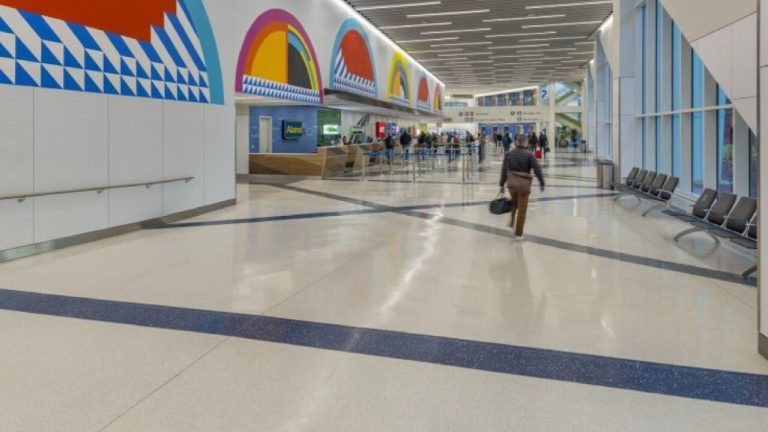
How Real-Time Jobsite Monitoring Improves Commercial Flooring Outcomes
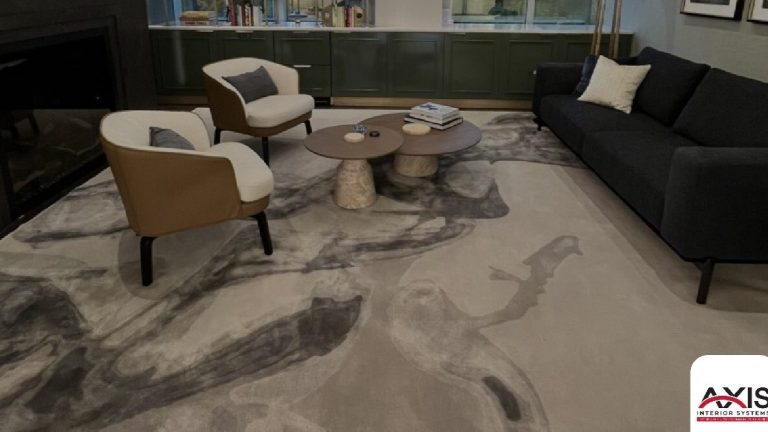
Beyond Aesthetics: How Smart Commercial Flooring Shapes Safety and Modern Workspaces

Preventing Retail Flooring Failures Before Year Two Strategies

Commercial Flooring Carpet: A Strategic Choice for Modern Spaces
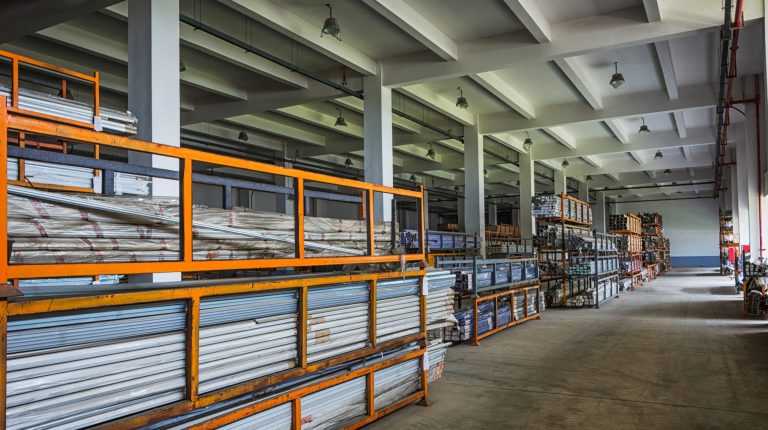
Durable Commercial Flooring Materials for Warehouse Environments
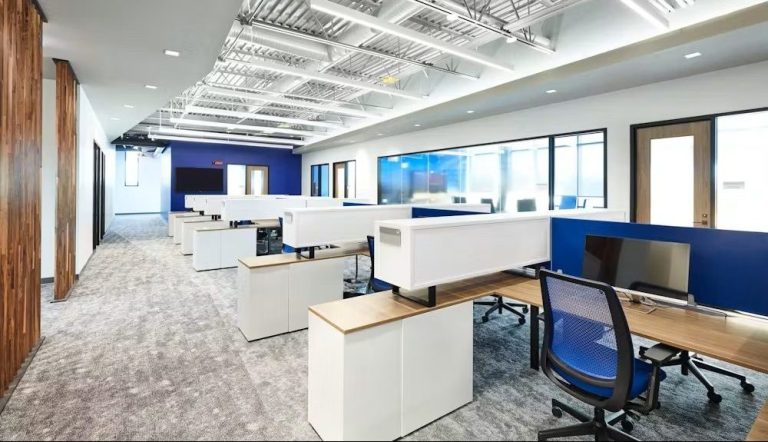
Best Modern Durable High-Performance Flooring for a Commercial Office

Best Types of Commercial Flooring for High-Traffic Office Spaces

Best High-Performance Commercial Flooring Options for Restaurants
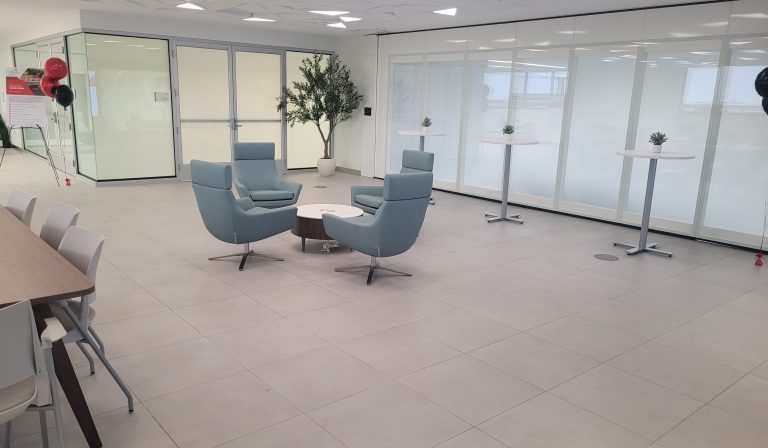
7 Ways a Commercial Flooring Company in Cincinnati Ensures Quality Results
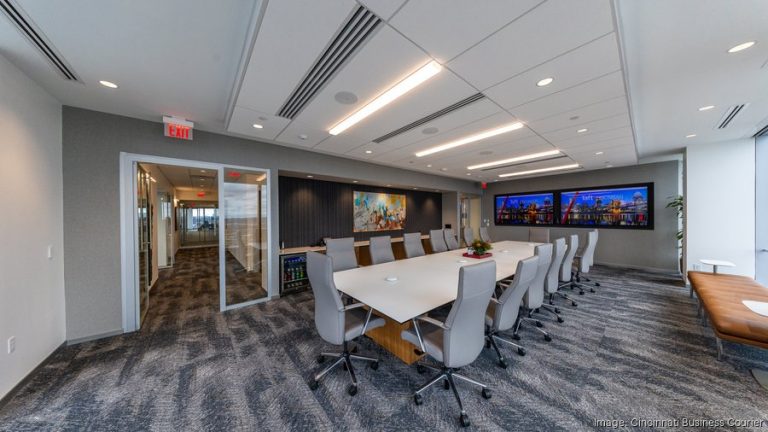
Budgeting for Commercial Flooring Cincinnati: Tips for Businesses in Tri-State

Epoxy Flooring for Commercial Spaces: Is It Worth It for Warehouses
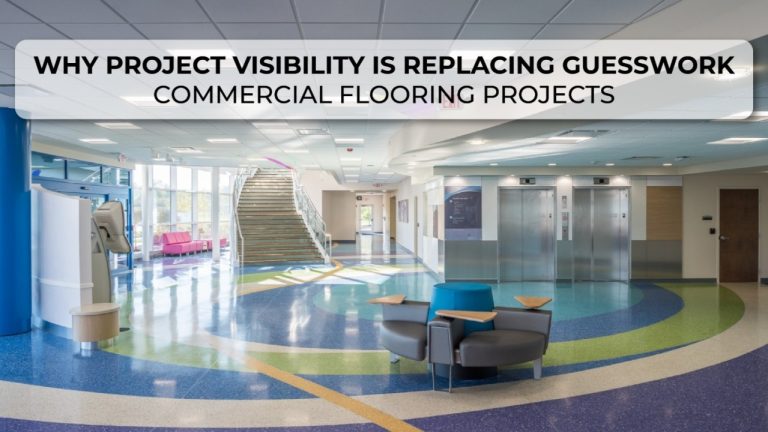
Why Project Visibility Is Replacing Guesswork in Commercial Flooring
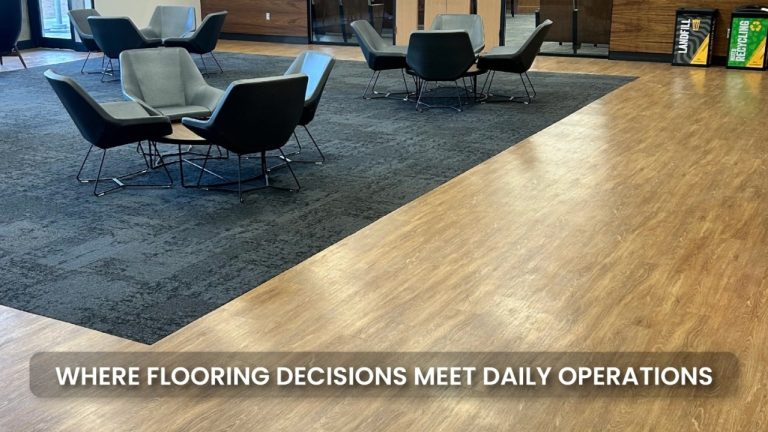
The Flooring Gap Facilities Teams Inherit but Rarely Influence

How Early Flooring Decisions Shape Long-Term Building Performance
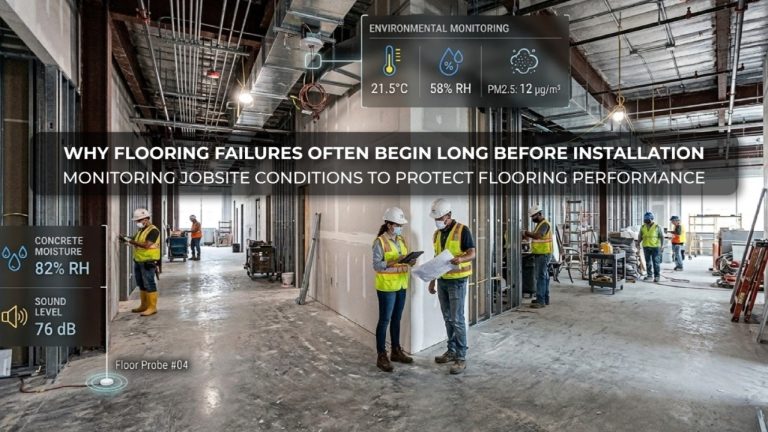
Why Flooring Failures Often Begin Long Before Installation Monitoring

From Trust-Based to AI-Verified: Rethinking Installation Accountability

Commercial Flooring Costs: What the Numbers Actually Say Explained

Carpet vs Hard Flooring in Commercial Spaces: What’s Best for Offices, Schools
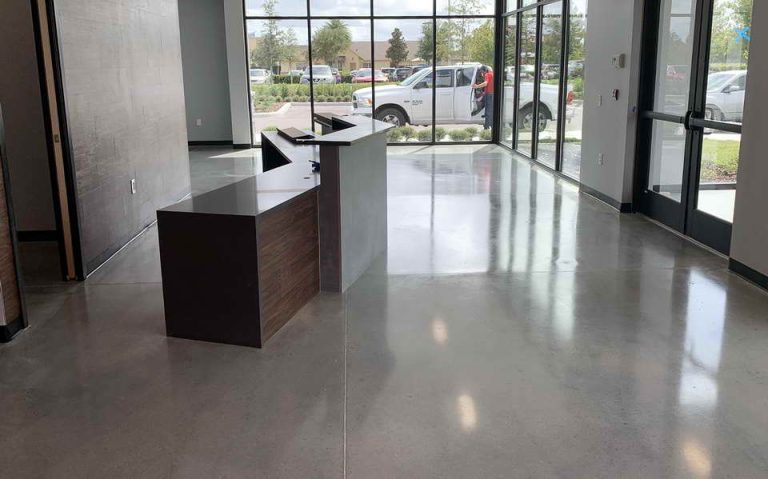
Terrazzo's Comeback: Is Modern Epoxy Terrazzo Worth the Investment?

Entrance Flooring Systems: How Walk-Off Zones Cut Floor Wear by Design
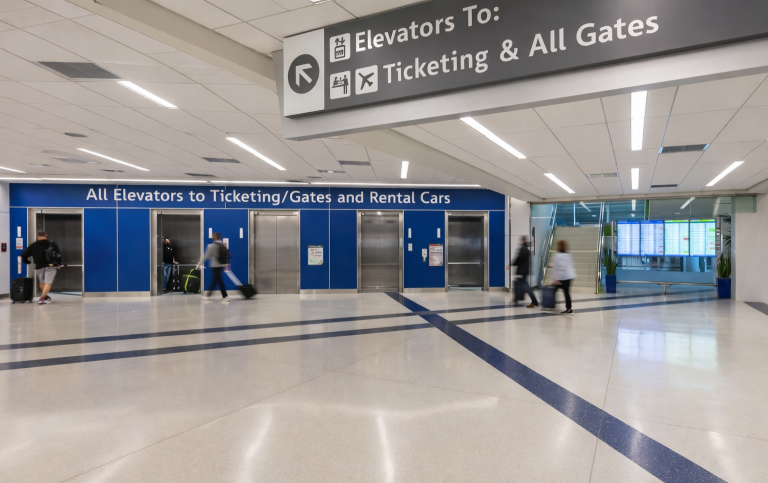
Best Flooring for Airports, Transit Hubs, and Public Lobbies

Hospital Flooring Requirements: FGI Guidelines, ADA, and Code Basics

Retail Store Flooring Ideas and Trends for 2027

What Is the Best Flooring for a Commercial Gym?

Is Rubber Flooring Good for Commercial Kitchens?
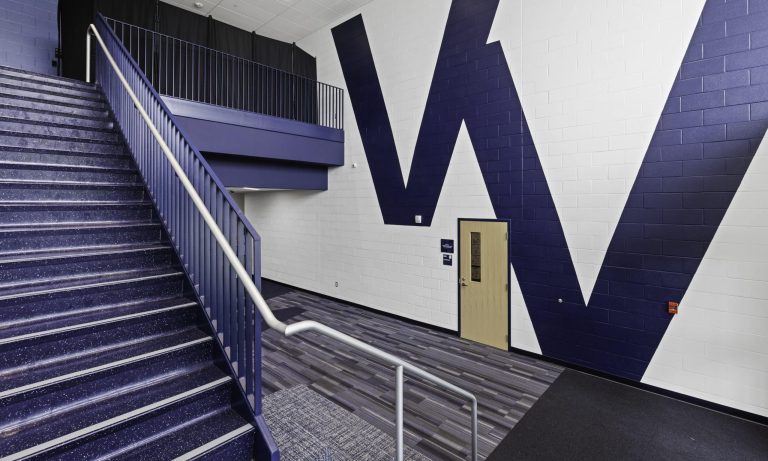
What Is the Best Commercial Flooring for Stairs?