
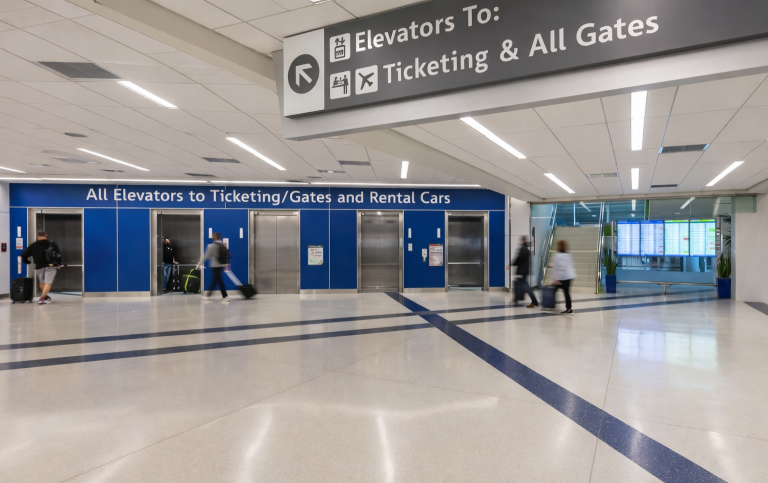
Epoxy terrazzo
Epoxy terrazzo flooring is ideal for airports, civic buildings, and other high-traffic spaces. Its seamless finish, long-lasting durability, and flexible design options make it a strong choice for main concourses, ticketing halls, and grand lobbies. It requires little maintenance and no waxing, but comes with a higher upfront cost and is best suited for interiors with a sound concrete slab.

Porcelain tile
Large-format porcelain tile is a practical flooring choice for busy public spaces, offering excellent resistance to stains, scratches, and everyday wear. Textured finishes can also improve slip resistance in entrances and restrooms. It works well in food courts, indoor transit platforms, and budget-conscious lobbies. While durable and versatile, grout lines require maintenance, and tiles can crack if installed over an unstable substrate.
Rubber flooring
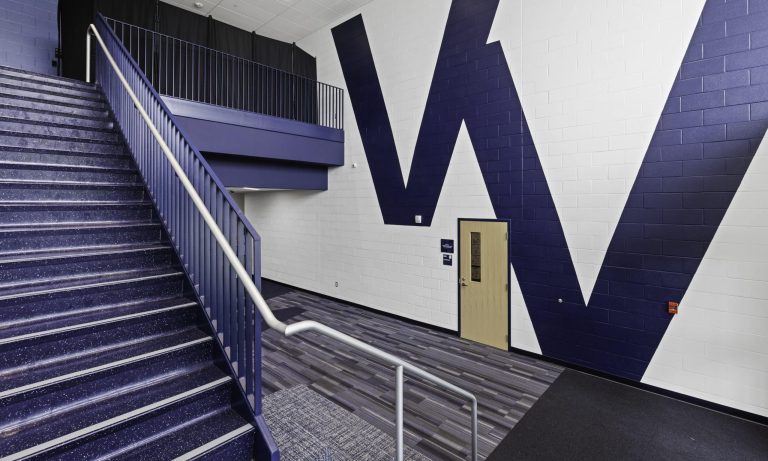
Commercial rubber flooring is a durable, slip-resistant option for busy public spaces where safety and comfort matter. Its resilient surface provides excellent grip while reducing noise and impact underfoot. It works well for stair treads, ramps, platforms, service corridors, and waiting areas. Although design options are more limited, rubber flooring is comfortable for staff and requires suitable cleaning products to prevent residue.
Commercial LVT
Heavy-duty luxury vinyl tile (LVT) is a practical flooring option for busy commercial spaces, offering durability and a wide range of wood and stone-inspired designs. It works well in gate seating areas, offices, retail concessions, and secondary corridors. LVT is affordable, quick to install, and easy to replace in sections, but it may not suit constant heavy rolling loads or last as long as terrazzo.
Carpet tile
Modular carpet tile is a comfortable flooring option that helps reduce noise and creates a more welcoming atmosphere in waiting and lounge areas. Solution-dyed nylon offers good resistance to stains and fading. It works well in airport gate lounges, VIP areas, offices, and libraries. Carpet tiles can be replaced individually when damaged, but they require regular vacuuming and cleaning and are less suitable for heavy carts.
Resinous and polished concrete
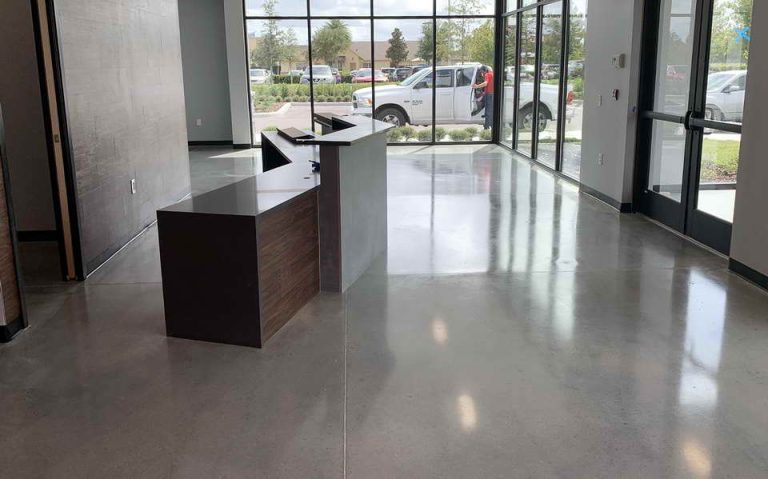
Resinous coatings and polished concrete are practical flooring options for areas where durability and function are the main priorities. They work well in baggage handling areas, back-of-house corridors, maintenance spaces, and parking-level lobbies. Both offer strong durability, chemical resistance, and a relatively low cost per square foot. However, the surface can become slippery without proper texture and may feel less welcoming in public areas.

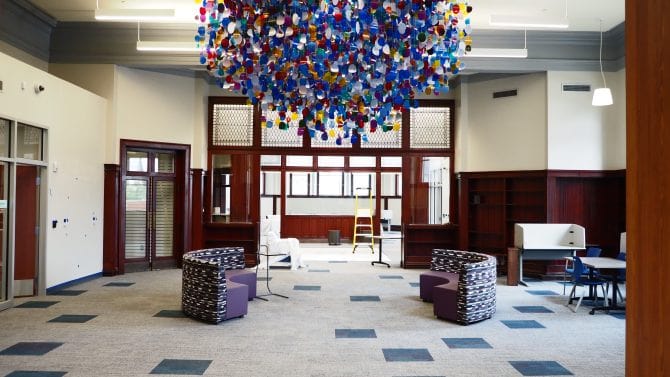
The Hidden Factor That Speeds Public Sector Approvals: Flooring Records Compliance
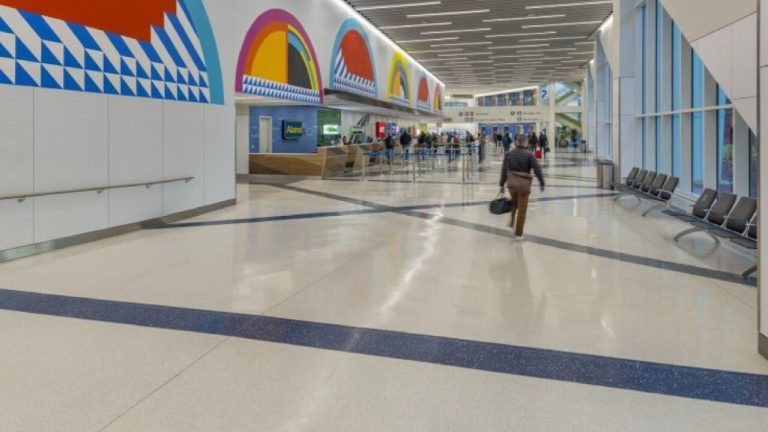
How Real-Time Jobsite Monitoring Improves Commercial Flooring Outcomes
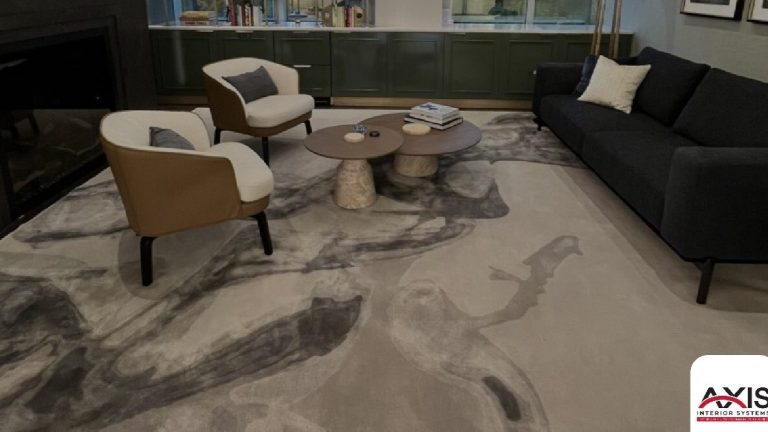
Beyond Aesthetics: How Smart Commercial Flooring Shapes Safety and Modern Workspaces

Preventing Retail Flooring Failures Before Year Two Strategies

Commercial Flooring Carpet: A Strategic Choice for Modern Spaces
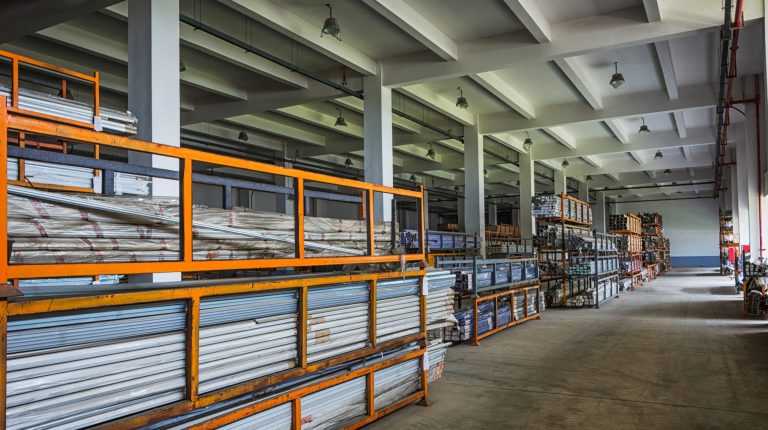
Durable Commercial Flooring Materials for Warehouse Environments
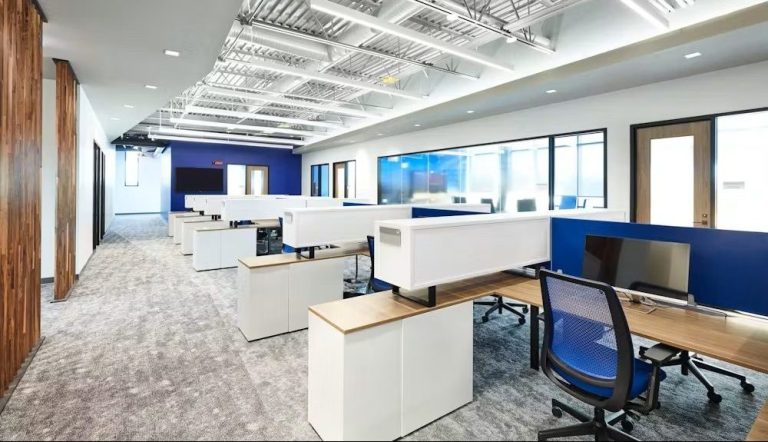
Best Modern Durable High-Performance Flooring for a Commercial Office

Best Types of Commercial Flooring for High-Traffic Office Spaces
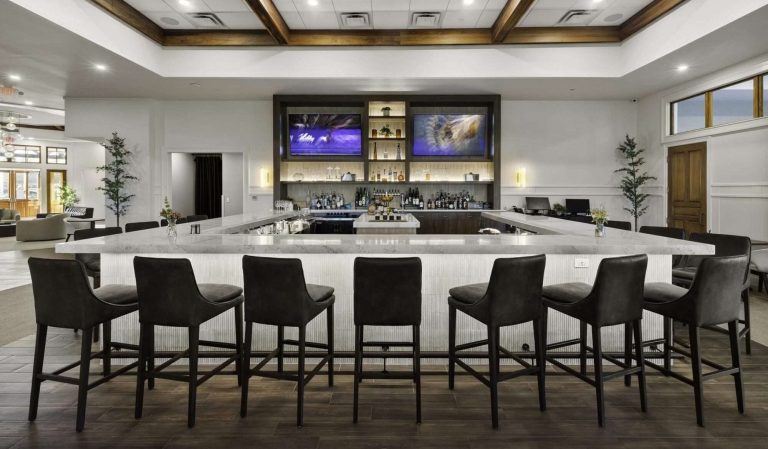
Best High-Performance Commercial Flooring Options for Restaurants
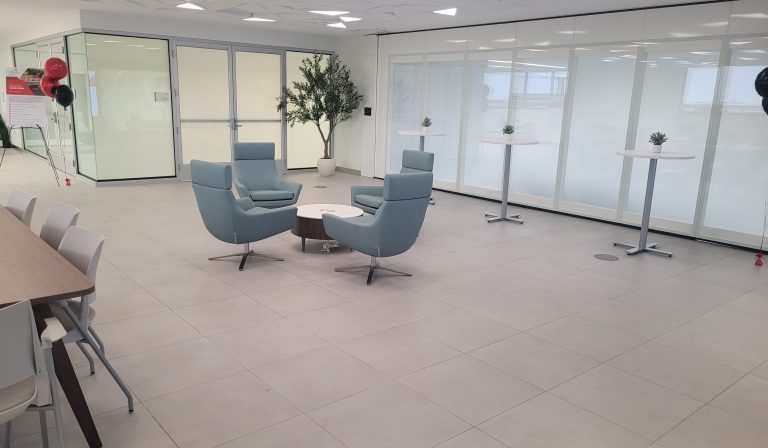
7 Ways a Commercial Flooring Company in Cincinnati Ensures Quality Results
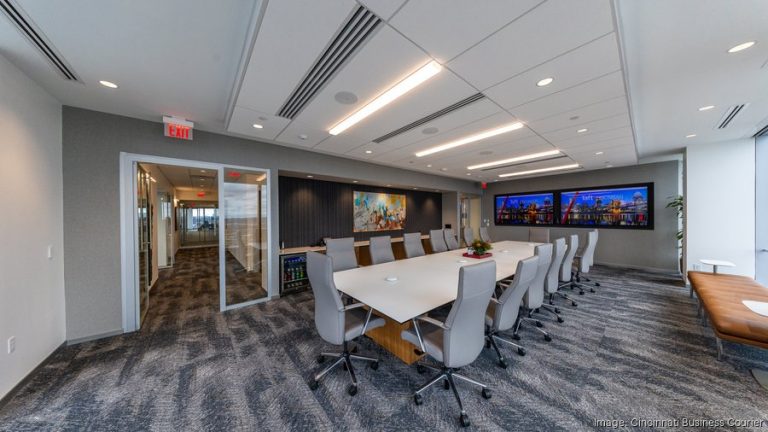
Budgeting for Commercial Flooring Cincinnati: Tips for Businesses in Tri-State
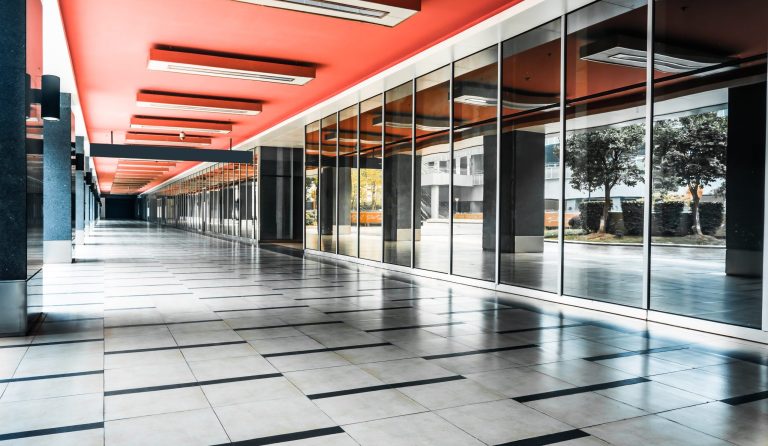
Epoxy Flooring for Commercial Spaces: Is It Worth It for Warehouses
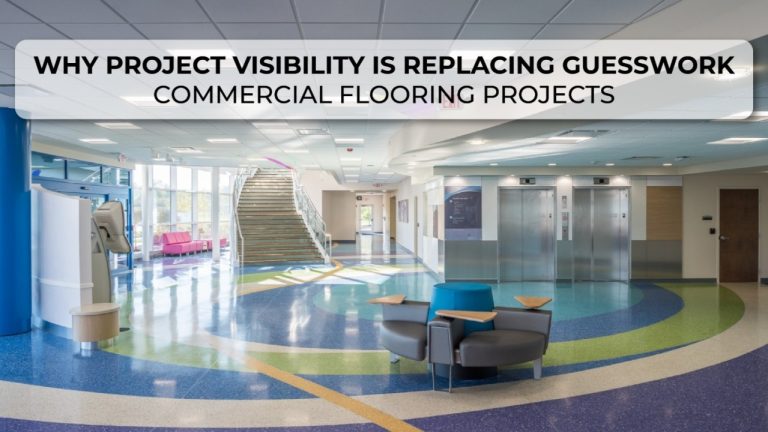
Why Project Visibility Is Replacing Guesswork in Commercial Flooring
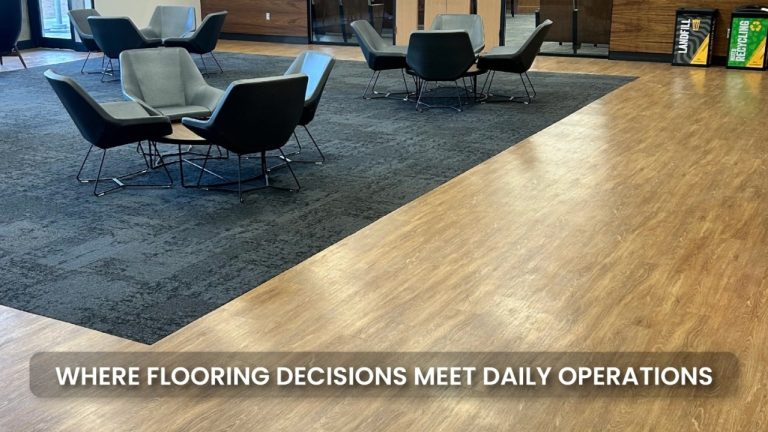
The Flooring Gap Facilities Teams Inherit but Rarely Influence

How Early Flooring Decisions Shape Long-Term Building Performance
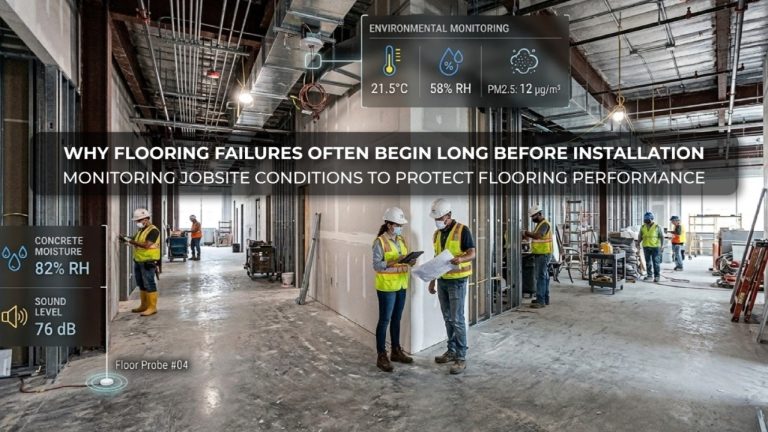
Why Flooring Failures Often Begin Long Before Installation Monitoring

From Trust-Based to AI-Verified: Rethinking Installation Accountability

Commercial Flooring Costs: What the Numbers Actually Say Explained

Carpet vs Hard Flooring in Commercial Spaces: What’s Best for Offices, Schools
Terrazzo's Comeback: Is Modern Epoxy Terrazzo Worth the Investment?

Entrance Flooring Systems: How Walk-Off Zones Cut Floor Wear by Design
Best Flooring for Airports, Transit Hubs, and Public Lobbies

Hospital Flooring Requirements: FGI Guidelines, ADA, and Code Basics

Emergency Department Flooring: Built for 24/7 Use

Retail Store Flooring Ideas and Trends for 2027

What Is the Best Flooring for a Commercial Gym?

Is Rubber Flooring Good for Commercial Kitchens?
What Is the Best Commercial Flooring for Stairs?