Walk into any retail store that’s been open for five-plus years and you can usually spot the traffic pattern before you even look at the merchandise. There’s a worn path from the entrance to the registers. A dull patch where the cart wheels roll through every single day. Scuffs by the fitting rooms that no amount of mopping seems to lift anymore. None of that happens because the staff isn’t cleaning — it happens because the floor was never built for the kind of punishment a busy retail space actually delivers.
If you’re a store owner or property manager staring down a renovation, durable probably isn’t a word you want vague reassurance about. You want to know which durable flooring options actually hold up under real retail conditions, not showroom conditions. This piece walks through what durability means in a retail setting, which materials tend to earn that label honestly, and how to strike a balance between something that lasts and something that still looks like your brand.
A durable retail floor should continue to perform and maintain its appearance despite the demands placed on it every day. Before selecting a material, consider three main factors.
Retail stores can see hundreds or even thousands of customers in a day. Entrances, checkout areas, aisles, and fitting rooms often receive particularly heavy use. Repeated foot traffic can gradually wear down finishes and create visible pathways through the store. Choosing a commercial flooring product designed for the expected traffic level can help reduce premature wear.
Retail flooring also has to handle more than foot traffic. Shopping carts, stock carts, display fixtures, and delivery equipment can repeatedly roll across the same areas. These loads can scratch or damage a floor that was not selected for the application. Back-of-house areas may need a different material from the sales floor because they often experience heavier equipment and more frequent movement of inventory.
Spills, dirt, and dropped products are part of everyday retail operations. A durable floor should withstand routine cleaning while resisting common scratches and stains. This matters for appearance as well as performance. A floor covered in visible wear can make an otherwise well-maintained store look older and less cared for.Retailers can also reduce common problems by following practical installation and maintenance guidance, including these tips for avoiding retail flooring failures.
There’s no single best material here it depends on the store, the traffic pattern, and what look you’re going for. But a handful of options consistently come up when people ask what the most durable flooring actually is for retail use.
LVT is a popular retail flooring choice because it's tough, resists scratches, and offers plenty of design options. It handles moisture well and can match almost any retail aesthetic. The main drawback is that lower-grade LVT can dent under heavy point loads, especially from fixtures that stay in one place for years.
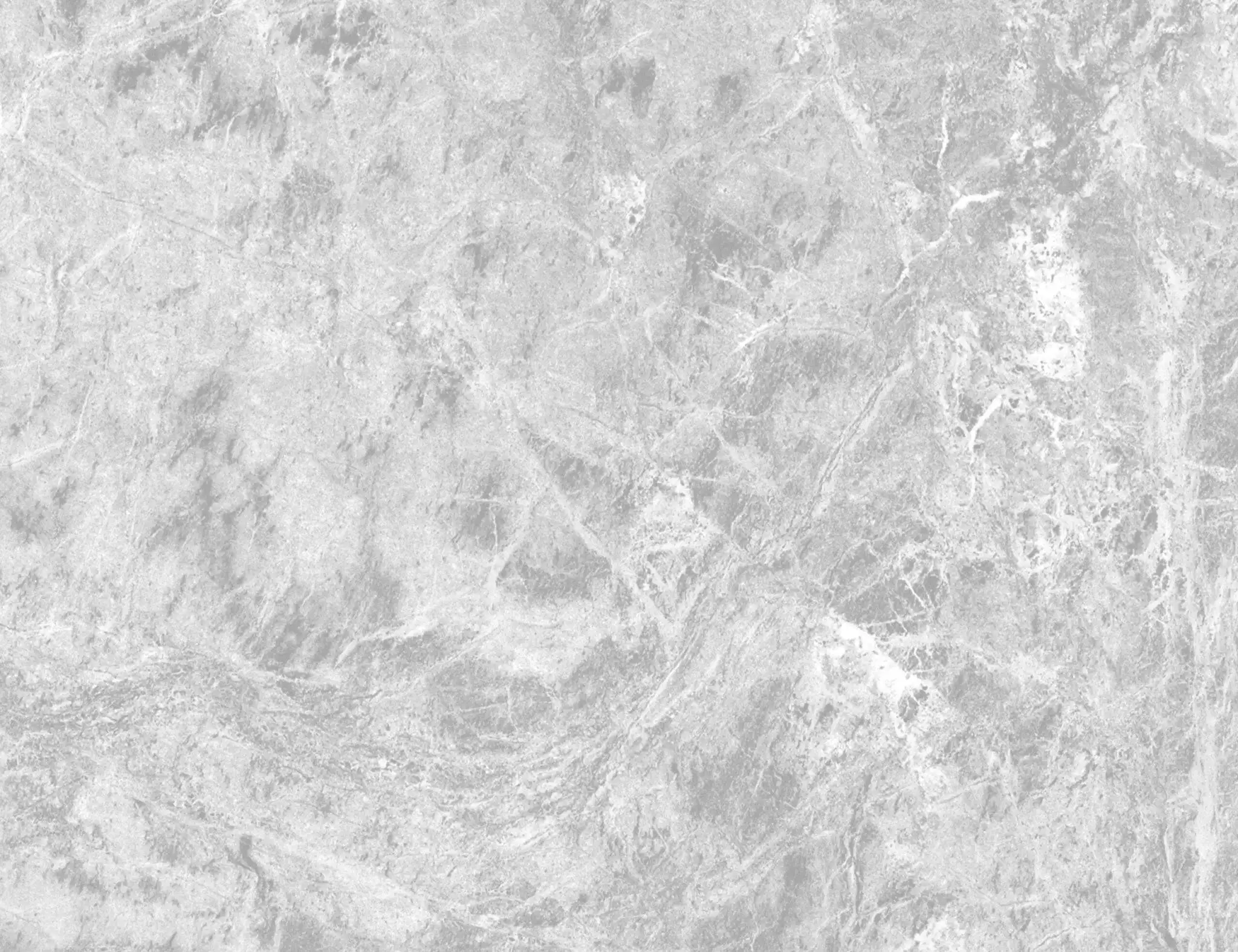
Porcelain tile is about as tough as flooring gets for high-traffic retail spaces. It resists scratches, stains, and heavy cart traffic with minimal wear. The main drawback is grout, which requires regular sealing and maintenance. It's a higher-cost option, but its durability makes it a strong choice for demanding stores.

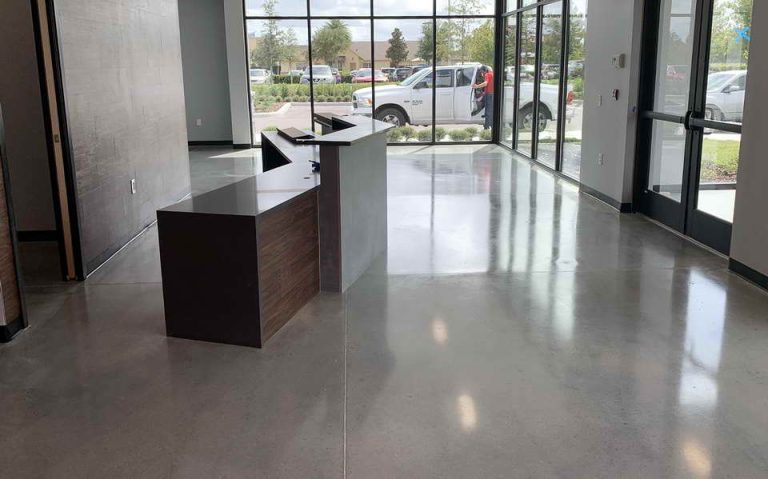
Polished concrete is a durable retail flooring option with a clean, industrial appearance. It handles heavy foot and cart traffic well, and there's very little surface to wear out. However, it can feel hard and uncomfortable for some underfoot for staff standing all day and may not suit every retail brand or store design.

Rubber flooring is durable, comfortable underfoot, and useful in areas where staff spend long hours standing. It provides good grip and handles heavy daily use. While it's less common in customer-facing retail spaces because of its appearance, it's a practical choice for stockrooms and employee areas.

Each of these has a real case for being called durable flooring tiles or durable flooring, period the right pick comes down to what your specific store needs it to survive. For a deeper dive into how these options perform specifically under heavy daily traffic, our page on high-traffic commercial flooring is worth a look.
Here’s where a lot of retail flooring decisions go sideways: chasing the toughest material on paper while ignoring what it actually does to the customer experience. The most durable floor in the world isn’t much use if it makes your store feel cold, cheap, or off-brand the moment someone walks in.
The good news is that durability and aesthetics aren’t opposed to each other anymore. LVT alone can convincingly mimic hardwood, stone, or concrete, which means a store can get a warm, upscale look without sacrificing the wear resistance a busy retail floor needs. Porcelain tile comes in enough finishes now matte, textured, stone-look that “durable” doesn’t have to mean “generic.”
The smarter approach is usually zone-based rather than whole-store. Entrances and high-traffic aisles can lean harder into pure durability since that’s where the wear concentrates fastest, while fitting rooms or feature displays have a little more room to prioritize look over toughness. Retail flooring failures tend to happen when a store picks one material for the whole space and either overspends on durability where it wasn’t needed or underspends where it mattered most. Our guide on avoiding retail flooring failures goes into more of the specific mistakes we see repeated across different store types.
Even the most durable flooring needs regular care. A good maintenance program can help preserve the surface, prevent avoidable damage, and delay replacement.
Spills are inevitable in retail, but allowing moisture or staining substances to sit on the floor can create unnecessary problems. Prompt cleanup helps protect the surface and keeps the space safer.
Different flooring products require different cleaning methods. Using the wrong chemical or equipment can damage the surface or finish over time. Follow the manufacturer’s recommendations for cleaning products, equipment, and periodic maintenance.
Entrances are often among the hardest-working areas in a store. Customers bring in dirt, grit, and moisture from outside, which can contribute to surface wear. Proper entryway matting helps capture some of this debris before it reaches the finished floor.
A damaged tile, loose plank, failing seam, or worn section may seem minor at first. Leaving it unattended can allow the problem to spread or become more difficult to repair. Regular inspections make it easier to catch small issues before they become larger maintenance problems.
The initial installation price is only part of the cost of a flooring system. Maintenance, repairs, and eventual replacement can all affect the long-term value of a material. This commercial flooring cost breakdown can help when planning a flooring budget.
Porcelain tile and commercial-grade LVT top the list for retail durability, with polished concrete a close contender for stores that fit its industrial aesthetic.
Commercial-grade LVT with an adequate wear layer holds up well to high foot and cart traffic, though lower-grade products can dent under heavy point loads over time.
Properly selected and maintained commercial flooring can provide many years of service, but its lifespan depends on the material, traffic level, installation quality, and maintenance.
Not necessarily durability and price don’t move together in a straight line, since installation complexity and material grade both factor in. Our commercial flooring cost breakdown breaks down what actually drives the price on projects like these.
Commercial-grade LVT, porcelain tile, and polished concrete are strong choices for high-traffic retail environments. The best option depends on the store’s traffic levels, design requirements, maintenance needs, and budget.
Regular cleaning, prompt spill removal, protective mats at entrances, and following the manufacturer’s maintenance recommendations can help extend the life of retail flooring. Professional maintenance and timely repairs can also prevent minor damage from becoming a larger problem.
The most durable flooring is not necessarily the hardest material or the one with the longest advertised service life. It is the material that can handle your store’s traffic, equipment, maintenance needs, and design requirements. Commercial-grade LVT offers design flexibility, porcelain tile provides excellent wear resistance, polished concrete suits large, demanding spaces, and rubber flooring can be a practical choice for back-of-house areas. By matching the flooring system to how your retail space is actually used and maintaining it properly, you can help prevent premature wear and unnecessary replacement costs. Axis Interior Systems has provided commercial flooring solutions since 1990, with more than 10,000 completed installations across Ohio, Kentucky, and Indiana.
Improve durability, performance, and appearance with the right flooring solution for your high-traffic retail space. Contact Axis Interior Systems for expert guidance and a project quote.
Copyright © 2026 IPRS Consultants. - All rights reserved.