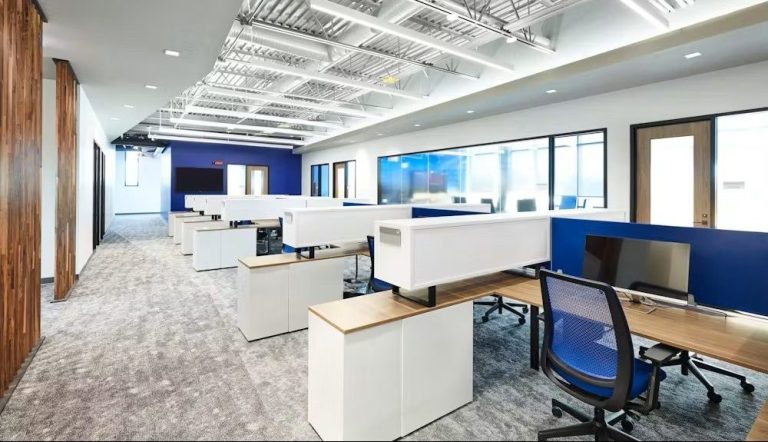
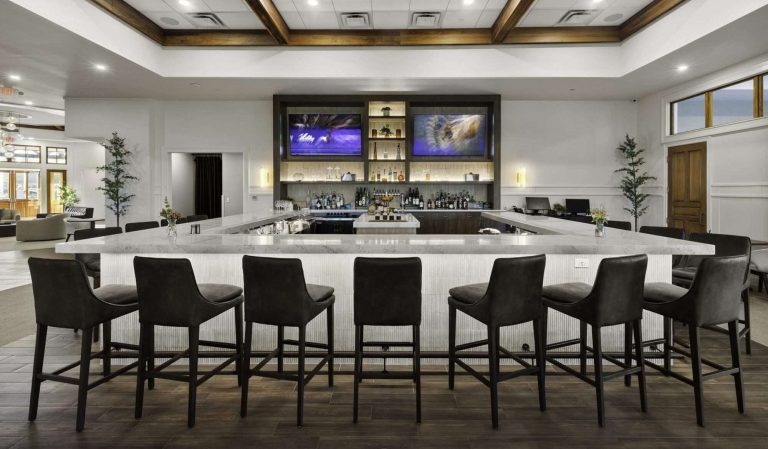
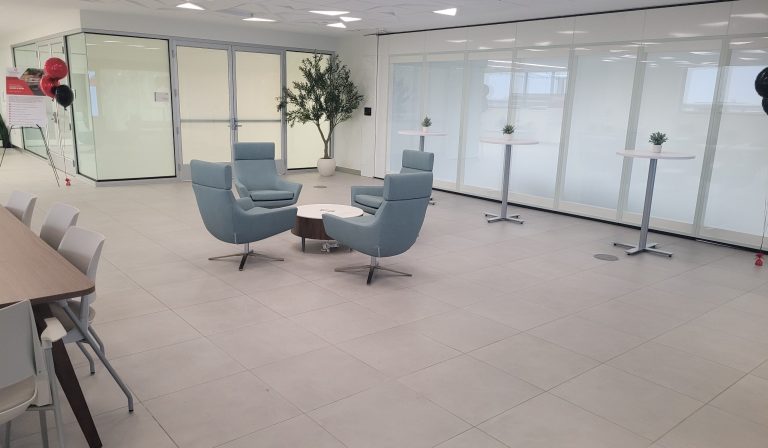
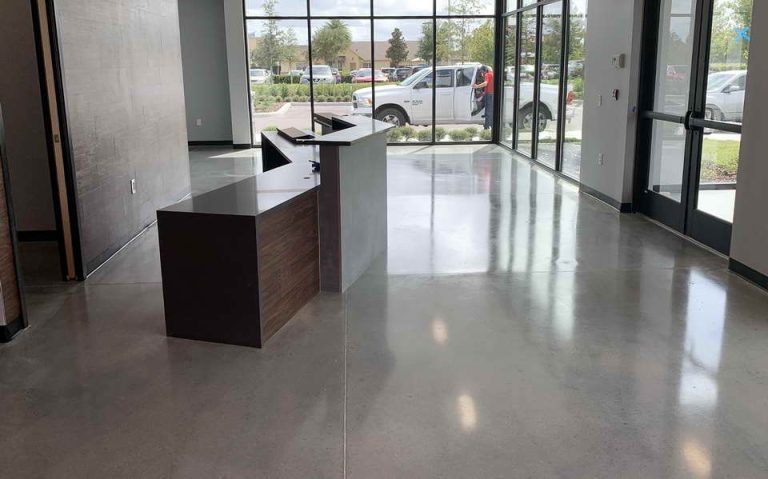
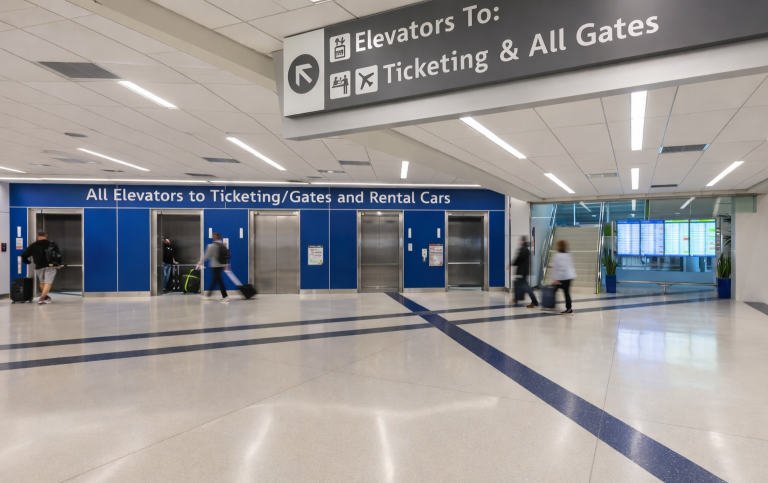
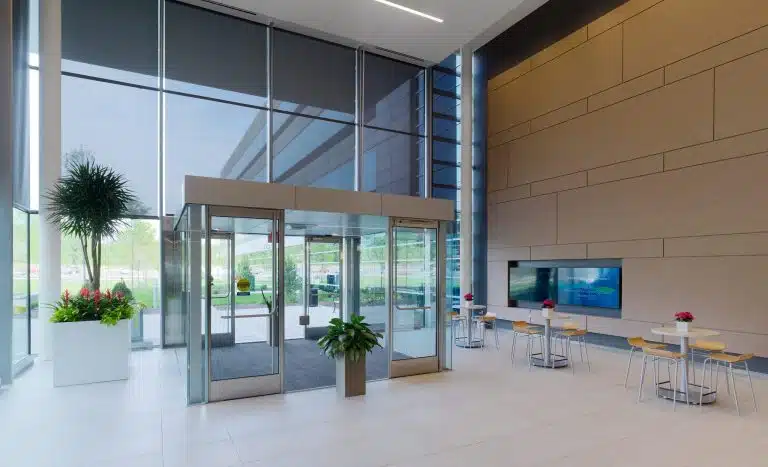
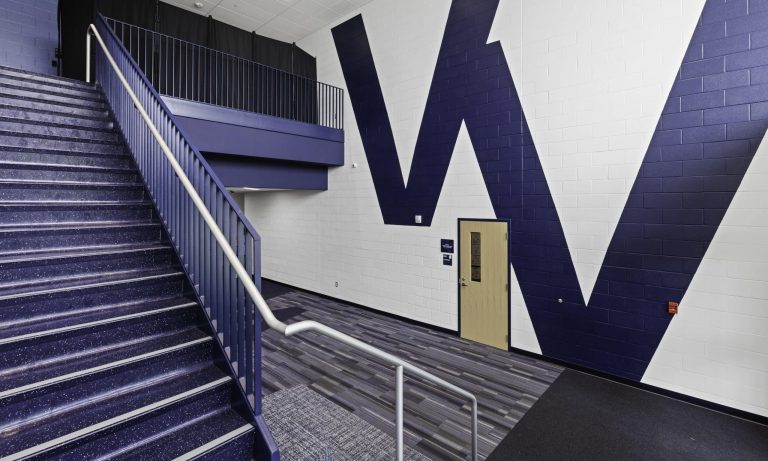
"Commercial Kitchen Flooring" blog cover image

Commercial Kitchen Flooring: What This Demanding Environment Actually Requires

Introduction

Of all the environments we specify and install commercial flooring for, few are as unforgiving as a commercial kitchen.Grease. Standing water. Extreme temperature swings between walk-in coolers and active cooking lines. Heavy equipment rolling across the same paths dozens of times a day. Constant foot traffic from staff moving quickly under pressure. And running through all of it, strict health code requirements that leave zero room for a flooring failure.At Axis Interior Systems, we’ve specified and installed flooring across commercial kitchens in healthcare facilities, schools, hospitality venues and food service environments throughout Ohio and the Tri-State region. Here is what we believe every owner, GC and facilities director needs to understand before specifying a commercial kitchen floor.

Why Standard Commercial Flooring Doesn't Work Here

Most commercial flooring products including carpet tile, LVT, LVP, even standard VCT, simply are not built for what a working kitchen puts a floor through daily. Grease and oil break down adhesives and create dangerously slick surfaces. Standing water and steam create moisture exposure that most products aren’t rated to withstand. Constant thermal cycling from hot equipment and cold storage causes standard flooring materials to expand, contract and eventually fail at the seams.

This is why commercial kitchens require a fundamentally different category of flooring: resinous flooring systems.

Understanding Resinous Flooring And Where Epoxy Fits

Resinous flooring is a broad category that includes several different systems engineered for high-performance, seamless, chemical-resistant surfaces. Within that category sits epoxy flooring, one of the most widely used resinous systems in commercial kitchen environments, though it is important to understand that epoxy is one type of resinous flooring, not a separate category on its own. Other resinous systems include polyurethane cement, MMA (methyl methacrylate) and polyaspartic coatings, each suited to slightly different performance requirements.

What all resinous systems share is the core advantage that makes them essential for kitchen environments: they are applied as a liquid and cure into a completely seamless, monolithic surface. There are no grout lines, no seams, and no gaps where grease, bacteria or moisture can collect. For an environment governed by health code inspections, that seamless quality is not a luxury, it is often the difference between passing and failing.

Epoxy flooring specifically offers exceptional chemical and impact resistance, a wide range of finish options from matte to high-gloss, and the ability to incorporate anti-slip additives directly into the surface, a critical safety feature in an environment where water and grease are a daily reality.

School cafeteria serving line flooring
Design resinous flooring in the Valley View Local Schools cafeteria, engineered to withstand daily high-volume food service operations.

The Specification Details That Actually Matter

Choosing “epoxy flooring” is only the first decision. What separates a kitchen floor that performs for ten years from one that fails in three comes down to a handful of specification details that are frequently overlooked.

Slip resistance rating. Not all resinous finishes offer the same slip resistance. Kitchen environments require a coefficient of friction rating appropriate for constant wet conditions, this typically means specifying a system with aggregate or quartz broadcast additives that create texture underfoot without compromising the ability to clean the surface thoroughly.
 

Thermal shock resistance. The temperature swings in a working kitchen, from a 400-degree oven area to a walk-in freezer just steps away, put enormous stress on flooring systems. Products rated for thermal shock resistance prevent cracking and delamination that standard systems can’t withstand.

Chemical resistance. Commercial kitchens use aggressive cleaning chemicals, sanitisers and degreasers daily. A resinous system needs to be rated for resistance to the specific chemical exposure it will face, not just “chemical resistant” as a generic claim.

 
Close-up of textured epoxy flooring seam
A close-up view of a properly specified resinous system — seamless, textured for slip resistance, and finished with integrated coving at the wall base.

Coving and drainage integration. A kitchen floor is not just the flat surface, it is the entire system including an integrated cove base that eliminates the 90-degree corner where walls meet floor, and proper slope toward floor drains. Getting the drainage detail wrong is one of the most common and costly kitchen flooring failures we see, often only discovered after water pooling becomes a recurring problem.

Substrate preparation and moisture testing. Resinous systems require a properly prepared substrate with moisture levels within a specific tolerance. Skipping this step, even on an otherwise correctly specified system, is one of the leading causes of premature bond failure and delamination in kitchen flooring installations.


Real Projects, Real Requirements

At Axis, we’ve delivered resinous and epoxy flooring solutions across a range of commercial kitchen environments, each with its own specific demands. Our work in the cafeteria at Valley View Local Schools required a system that could withstand the daily volume of a K-12 food service operation while meeting the durability standards a school district expects from a facility used for decades. Our work at the UC Blood Cancer Healing Center required an even higher standard, a healthcare food service environment where hygiene, chemical resistance and infection control considerations are paramount, and where flooring performance is directly tied to patient safety.

Two very different environments. Two very different sets of requirements. And in both cases, the specification process started the same way, understanding exactly how the space would be used before a single product was chosen.

Commercial kitchen with speckled epoxy flooring
From healthcare food service to hospitality kitchens, resinous flooring systems are engineered to meet the highest hygiene and performance standards.

What We'd Encourage Owners and GCs to Do

If you are planning a commercial kitchen, whether it’s a restaurant, a school cafeteria, a healthcare food service facility or an industrial kitchen, bring your flooring contractor into the conversation early. Resinous flooring installation requires careful sequencing with other trades, adequate cure time before the space can be used, and coordination around equipment placement and drainage design. We’ve written a more detailed breakdown of the specific commercial kitchen flooring options available, including the full range of resinous systems and how to choose between them — see our full guide here: Commercial Kitchen Flooring Options.

Want to Talk Through Your Kitchen Flooring Project?

If you're planning a commercial kitchen and want expert guidance on the right resinous flooring system for your space, our team at Axis Interior Systems is ready to help.

Explore More Flooring Insights

Take a look at more of our flooring projects and discover the quality, precision, and expertise we bring to every space.

Copyright © 2026 IPRS Consultants. - All rights reserved.

Scroll to Top