TPC Rivers Bend

Retail Store Flooring Ideas and Trends for 2027

Your floor is the biggest surface in your store

Shoppers rarely look down on purpose, but they always notice the floor. It sets the mood the moment they walk in, guides where they walk, and quietly tells them whether your brand is premium, playful, or practical.

As physical retail keeps reinventing itself around experience, the floor has become a design tool instead of a background surface. Here are the retail store flooring ideas and trends we expect to shape new stores and remodels in 2027, plus practical advice on making them last.

1. Warm, natural looks replace cold gray

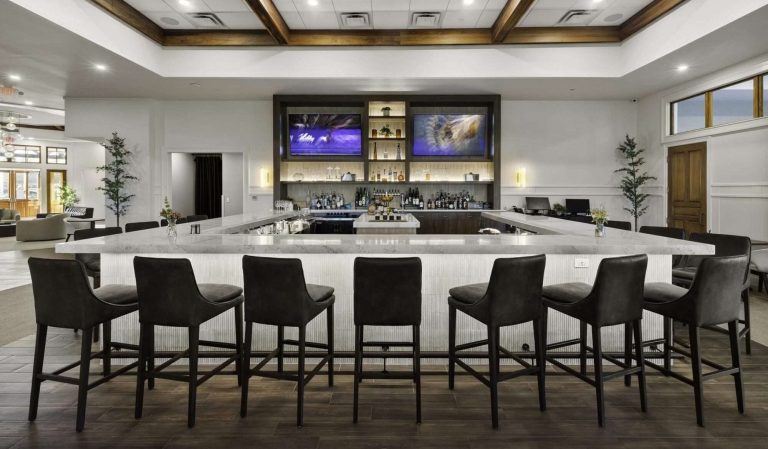
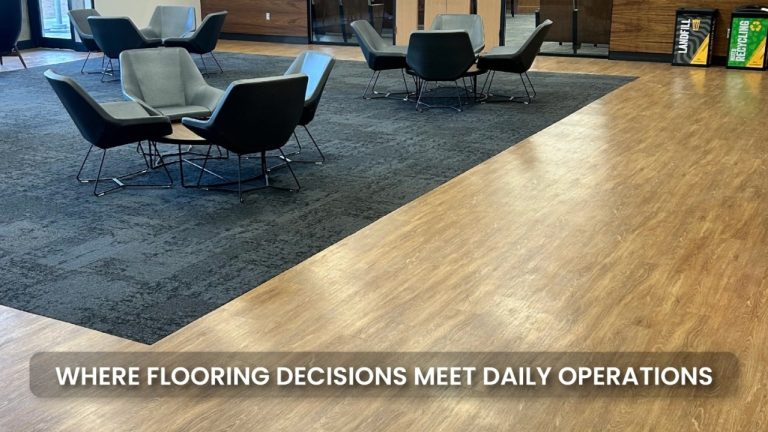
The all-gray look that dominated the last decade is fading. Retailers are moving toward warm oak, walnut, and honey tones, plus earthy stone and clay colors that make stores feel welcoming.

Commercial LVT delivers these looks with the durability retail demands. Wide planks and realistic textures give a hardwood feel without hardwood’s vulnerability to scratches and moisture.

Best for: Apparel, home goods, beauty, and lifestyle brands

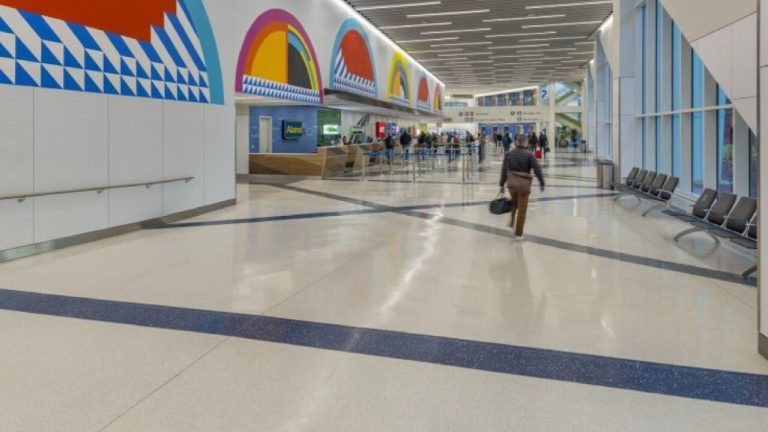
2. Terrazzo and terrazzo-look accents

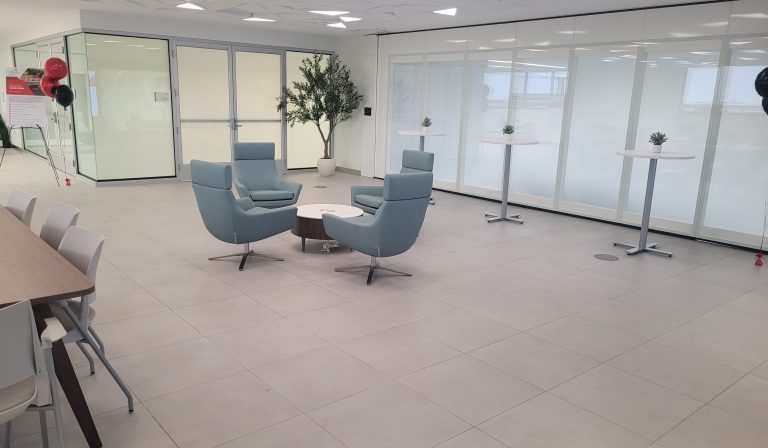
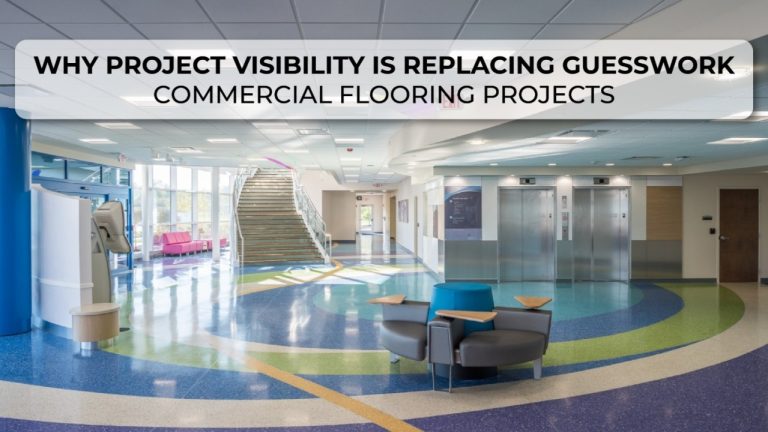
Terrazzo’s comeback is reaching retail. Flagship stores are using poured epoxy terrazzo at entrances and feature areas, while smaller retailers are getting the look through terrazzo-pattern porcelain tile or LVT.

Terrazzo’s speckled pattern also hides dirt and minor wear well, which is a practical bonus in busy stores.

Best for: Flagships, entry zones, cosmetics counters, and food halls

3. Floors that do the wayfinding

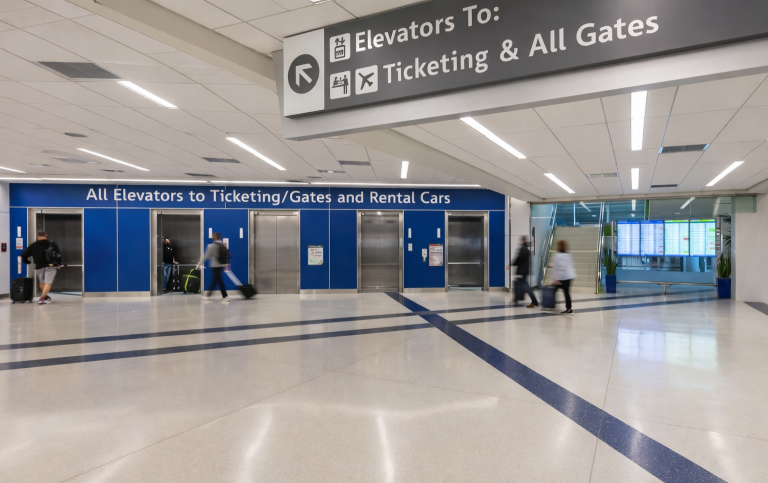
More stores are using flooring to guide shoppers instead of relying on overhead signs. A change in material, color, or pattern signals a new department, a featured collection, or the path to checkout.

Examples include:

  • A wood-look “racetrack” path circling the store, with carpet tile or tile inside each department
  • Contrasting color bands leading from the entrance to seasonal displays
  • Different textures to separate shopping zones from service areas like fitting rooms or pickup counters

Best for: Department stores, big-box retail, and multi-category stores

4. Pattern play: herringbone, chevron, and custom layouts

Pattern is back. Herringbone and chevron layouts in LVT or tile add movement and a premium feel without changing materials. Modular carpet tile also allows custom patterns that echo brand graphics.

The key is restraint. Use bold patterns in feature zones and keep circulation areas calmer so merchandise stays the focus.

Best for: Boutiques, specialty retail, and brand showrooms

5. Branded inlays and logo moments

A logo set into the floor at the entrance or a feature table is a photo-worthy brand moment. Inlays can be cut into LVT, carpet tile, or terrazzo using precise cutting technology.

Best for: Flagships, franchise locations wanting consistent branding, and experiential stores

Terrazzo Tile - The Mercantile Luxury Apartments

6. Polished concrete for an honest, industrial edge

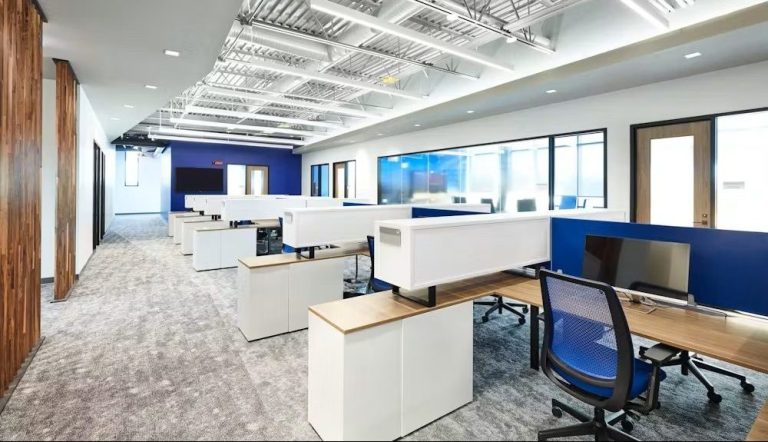
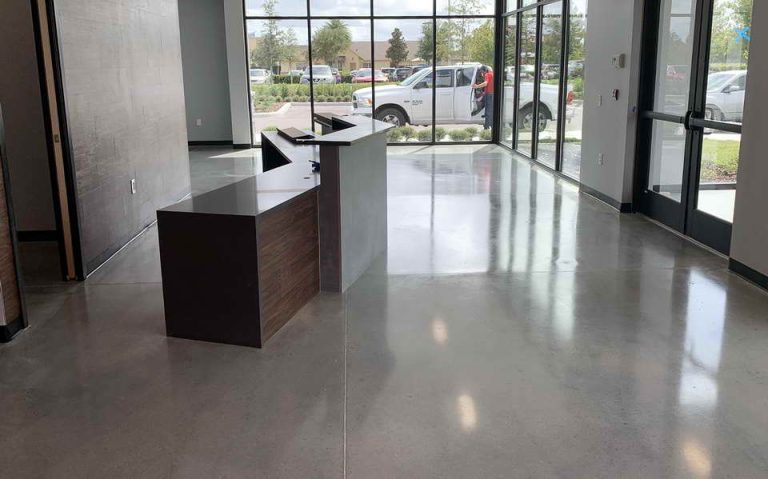
Polished concrete remains popular for big-box stores, outdoor-gear brands, and minimalist concepts. It’s tough under carts and pallet jacks and has a low cost per square foot when the slab is in good condition.

For 2027, expect more colored dyes, exposed aggregate finishes, and polished concrete paired with warmer materials in focal areas to soften the look.

Best for: Big-box, grocery-adjacent retail, and warehouse-style stores

7. Sustainability you can talk about

Shoppers and corporate ESG teams both care about sustainability. Retailers are choosing products with recycled content, low-VOC certifications, Environmental Product Declarations, and manufacturer take-back programs for old carpet tile.

The longest-lasting floor is often the most sustainable one, so durability belongs in the sustainability conversation.

Best for: Brands with public sustainability commitments

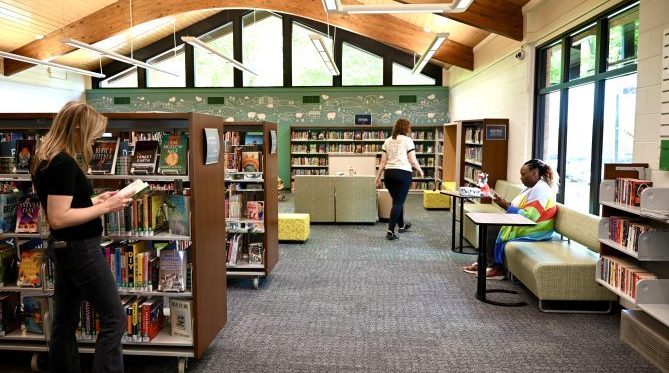
8. Comfort and acoustics for better shopping

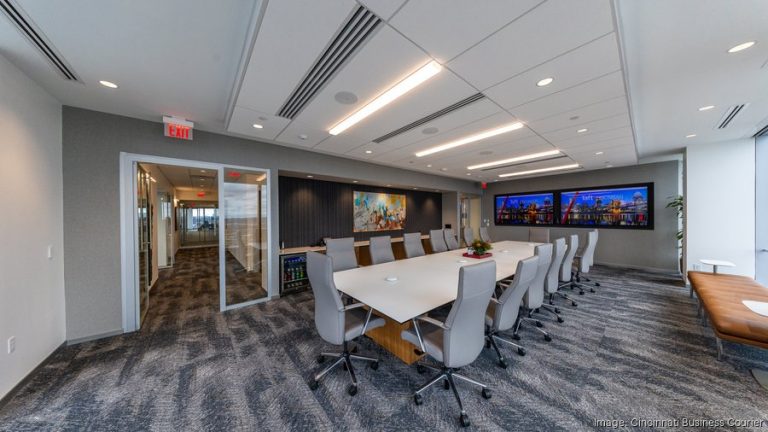
Hard floors can make stores loud and tiring. Retailers are adding acoustic-backed LVT, carpet tile in lounge and fitting room areas, and resilient flooring behind counters where staff stand for hours.

A quieter, more comfortable store keeps shoppers browsing longer and helps staff through long shifts.

Best for: Luxury retail, bookstores, fitting rooms, and service counters

9. Flooring built for pickup and omnichannel zones

Buy-online-pickup-in-store has created new back-of-house and front-of-house zones with heavy cart traffic, staging racks, and crowds at peak times. These areas need tougher flooring than the sales floor, such as heavy-duty LVT, rubber, or resinous systems.

Best for: Grocery, big-box, pharmacy, and multi-channel retailers

10. Faster, cleaner remodels

Retail can’t afford long closures. Loose-lay LVT, modular carpet tile, and fast-curing adhesives make it easier to refresh a store overnight or in phases. Planning for future changes now, such as using modular products in seasonal display areas, keeps future refreshes quick.

Best for: Chains on regular remodel cycles and stores in high-rent locations

Trend vs performance: making style last

Trendy floors can attract shoppers, but they also need to handle heavy traffic, spills, and carts. Commercial LVT works well for warm wood looks, while terrazzo, porcelain tile, carpet tile, and rubber flooring offer stylish and durable options for different retail areas. Choose materials based on traffic, maintenance, and budget—and pair them with a quality entrance matting system to keep floors looking fresh.

How to choose the right retail flooring idea for your store

Start with three questions:

  1. What does your brand need to feel like? Premium, playful, natural, or industrial points to different materials.
  2. How hard will the floor work? Traffic volume, carts, weather exposure, and spills set the minimum performance level.
  3. How long will you be in the space? A five-year lease and a twenty-year owned building justify very different investments.

A good flooring contractor will help you balance all three, recommending premium materials where shoppers notice them most and durable, cost-effective options elsewhere.

Frequently asked questions about retail store flooring

Commercial LVT is one of the most popular choices because it offers realistic wood and stone looks with strong durability and easy maintenance.

Heavy-duty LVT, porcelain tile, polished concrete, and terrazzo all perform well. The right choice depends on traffic, budget, and brand.

Use phased, overnight installation with modular or fast-curing products to keep the store open.

Yes, if they support your brand and meet durability needs. Use trends in feature zones and proven performers in heavy-traffic paths.

Commercial LVT, porcelain tile, and polished concrete are easy to clean and maintain, making them practical choices for busy retail spaces.

With proper installation and maintenance, quality retail flooring can last for many years. Durability depends on the material, foot traffic, and level of maintenance.

Bring your 2027 store vision to life with Axis

Axis Interior Systems provides retail flooring across Ohio, Kentucky, and Indiana, with durable, brand-focused solutions and flexible installation scheduling.

Explore More Flooring Insights

Discover additional insights on commercial flooring systems, installation methods, and performance considerations across various industries.

Copyright © 2026 IPRS Consultants. - All rights reserved.

Copyright © 2026 IPRS Consultants. - All rights reserved.

Scroll to Top