Vinyl Plank & Rugs - Expressions Therapeutic

LVT vs. LVP: Which Is Better for Commercial Use?

Introduction

Somewhere around the third flooring quote, most people start noticing that LVT and LVP get used almost interchangeably sometimes by the same rep, sometimes in the same sentence. It’s not you. A lot of contractors are loose with the terms, which is annoying when you’re the one signing off on a floor that has to survive a decade of foot traffic in a lobby, a hallway, or a dining room.

So let’s actually separate them. This isn’t going to be one of those “they’re basically the same, don’t worry about it” pieces, because there are real differences between LVT vs LVP once you get past the sample swatch and into a real commercial space. Below, we’ll cover what each one actually is, where they part ways, what they tend to cost, and which one usually makes more sense depending on what you’re building out.

What Is LVT? What Is LVP?

Both products live under the same umbrella luxury vinyl a multi-layer resilient flooring built to look like natural materials without inheriting all their headaches. Same technology underneath. The split between them is really just a question of shape.

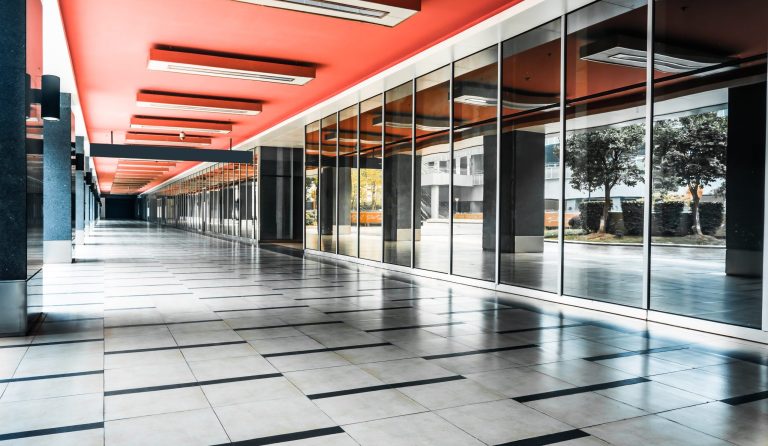
LVT is luxury vinyl tile. It’s cut into tile-shaped pieces, usually made to look like stone, ceramic, or slate. If someone’s picturing a polished stone lobby floor without the cost or the sealing and grout maintenance that comes with actual stone, they’re picturing LVT.

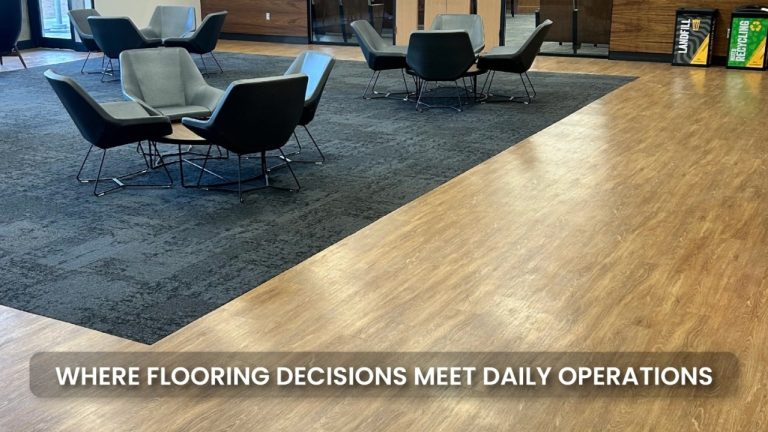
LVP is luxury vinyl plank. Same core material in most cases, just cut long and narrow to mimic hardwood instead. This is the one people reach for when they want that warm, wood-grain look in an office lobby or a boutique retail space, minus the price tag and the moisture sensitivity that real hardwood brings with it.

So: same family, different shape and that shape ends up mattering more than you’d expect.

Key Differences Between LVT and LVP

Past the tile-versus-plank basics, a handful of practical differences actually shift what makes sense for a given project.

Installation is one of the bigger ones. LVP generally goes down faster in large open areas since each plank covers more linear footage, and a lot of products click together as a floating floor without needing adhesive across the whole surface. LVT can slow things down, especially with intricate stone or ceramic-style layouts a herringbone pattern or mixed tile sizes takes real precision, and that precision takes time.

Appearance is less about better-or-worse and more about what mood a space is going for. LVP reads warmer, a little more residential, which is why it turns up so often in offices and hospitality spaces trying to soften an otherwise sterile environment. LVT tends to read more formal and polished, which is why it’s such a common fit in healthcare, upscale retail, and lobbies where the brand impression is doing some of the talking.

Moisture performance used to be a clearer dividing line than it is now. LVT still has a slight edge in genuinely wet-prone spaces tile-format layouts have always been common in bathrooms and kitchens, so moisture control was baked into the thinking from the start. But most quality commercial-grade LVP today is fully waterproof too, so that gap has closed quite a bit compared to even five years ago.

Repairability comes down to shape again. Both can generally be repaired piece by piece instead of forcing a full floor replacement. Planks are a little easier here swap one out and the seam pattern doesn’t usually scream patch job.Tile repairs can be a bit more noticeable depending on how the surrounding pattern lines up.

None of these on their own is a dealbreaker. Stack them together, though, and one product usually starts feeling like the more obvious fit for the space.

Vinyl Plank - Expressions Therapeutic

LVT vs. LVP Cost Comparison

Cost is always the question people ask first and get the vaguest answer to, mostly because it genuinely depends on so much pattern complexity, subfloor condition, material grade, total square footage. Nobody can give you a real number without knowing those.

As a general rule, though, LVP tends to run a bit less than LVT for comparable commercial-grade quality, and it’s usually the labor side driving that, not the material itself. Plank installation just moves faster than intricate tile work. If your LVT vs LVP cost comparison is coming down to a tight number, that’s where the gap tends to show up.

High-end LVT with detailed stone or ceramic patterns diagonal layouts, borders, mixed sizes can climb fast. On the other end, a straightforward LVP plank layout is one of the more budget-friendly ways to get a durable, commercial-grade floor that still looks like real wood.

If you want the fuller picture on what actually drives commercial vinyl pricing beyond just LVT versus LVP, our page on commercial vinyl flooring costs and types gets into those variables in more depth.

Which Is Better for Commercial Spaces?

The best choice between LVT and LVP depends heavily on how the space is used.

Offices

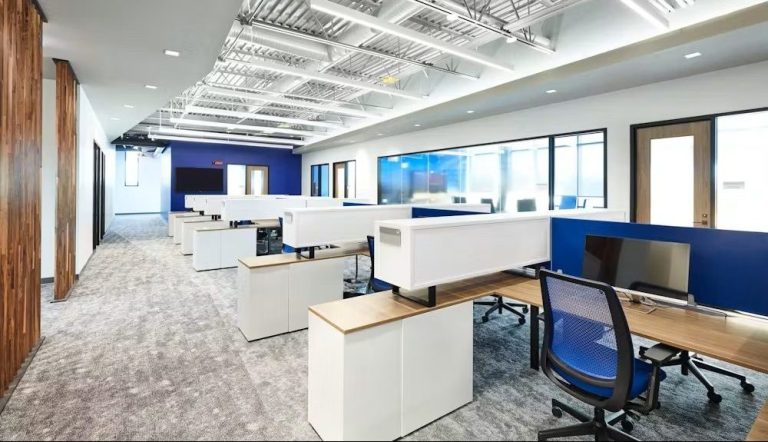
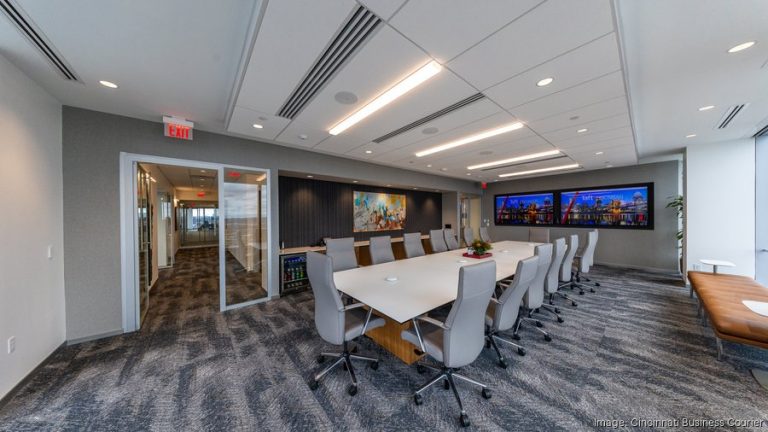
LVP is often a good choice for offices that want a warm, wood-look appearance. It can give an open office, reception area, or conference room a more refined appearance without using natural hardwood. LVT can make more sense when the design calls for stone, concrete, or tile visuals. It also provides more flexibility for tile-based layouts and patterns. When comparing office flooring options, consider more than appearance. Furniture movement, foot traffic, cleaning requirements, maintenance, and the amount of disruption allowed during installation can all influence the final decision.

Healthcare Facilities

Healthcare environments require flooring that can handle frequent cleaning, daily foot traffic, and demanding maintenance routines. LVT can work well when a tile or stone appearance fits the facility’s design. LVP may be a better option in areas where a warmer wood-look appearance is preferred. The specific product should be selected based on the requirements of the area, including cleaning procedures, moisture exposure, traffic, seams, and other facility considerations.

Retail Spaces

Retail flooring has to balance appearance and performance. Customers see the floor as soon as they enter the store, but the surface also needs to withstand daily foot traffic, rolling carts, merchandise movement, and routine cleaning. LVP works particularly well when a wood-look design supports the store’s aesthetic. LVT can be a better fit when stone, concrete, or tile visuals are preferred. Pattern and plank or tile direction can also help define customer pathways and separate different areas of a retail space.

Restaurants

Restaurants create some of the more demanding conditions for commercial flooring. Spills, frequent cleaning, employee traffic, and movement between dining and service areas all need to be considered. LVT can provide a tile or stone appearance that fits many restaurant interiors, while LVP can create a warmer wood-inspired look.

Frequently Asked Questions

Both hold up well in commercial-grade versions  durability comes down more to wear layer thickness than whether it’s a tile or a plank.

LVP usually costs a bit less than LVT for similar quality, mostly because plank installation takes less labor than detailed tile work.

Often, yes, as long as the subfloor is properly prepped and level. The existing surface’s condition determines how much prep is needed beforehand.

LVT has traditionally had a slight edge in wet spaces, but most commercial-grade LVP today is also fully waterproof, so that difference has mostly evened out.

Commercial-grade LVT and LVP can last 10–20 years or more with proper installation and maintenance. The flooring’s wear layer, traffic levels, cleaning routine, and overall product quality all affect its lifespan.

Both can perform well in commercial spaces, but the better option depends on the application. LVT works well where a tile appearance is preferred, while LVP is often a practical choice for offices, retail spaces, healthcare facilities, and other high-traffic areas where easy installation and maintenance matter.

Conclusion

When comparing LVT vs. LVP for commercial flooring, there isn’t one option that works best for every space. The right choice depends on the look you want, expected foot traffic, moisture exposure, maintenance needs, and overall installation budget. Both commercial-grade LVT and LVP can deliver durability, easy maintenance, and a professional finish when the right product is selected and properly installed. By considering how your space will actually be used, you can choose the flooring option that offers the best balance of performance, appearance, and long-term value.

Ready to Choose the Right Commercial Flooring?

Find the right balance of durability, design, and cost for your commercial space. Contact Axis Interior Systems for expert guidance on LVT, LVP, and other commercial flooring options.


Copyright © 2026 IPRS Consultants. - All rights reserved.

Scroll to Top