Selecting the right commercial restaurant flooring options is a decision that directly impacts design, safety, and functionality. Restaurant floors endure heavy foot traffic, spills, and constant cleaning. The wrong choice can lead to safety hazards, costly repairs, and a poor customer experience. The right flooring, however, enhances ambiance, supports staff efficiency, and ensures long-term durability.
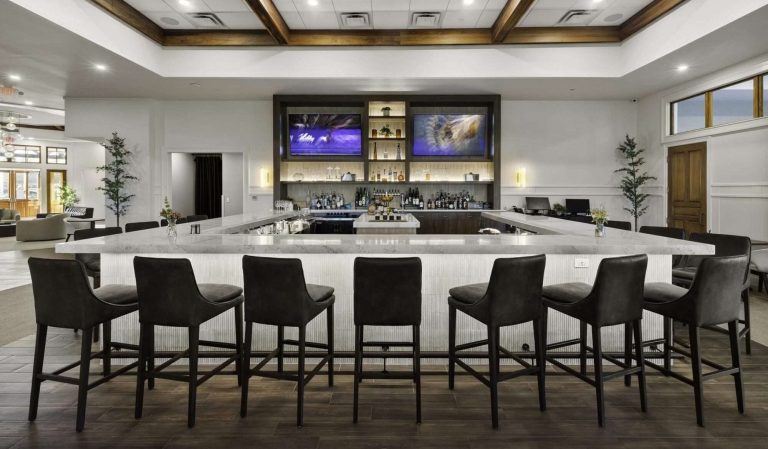
Commercial restaurant flooring also plays a role in branding. Imagine walking into a rustic bistro with warm wood floors or a modern café with sleek polished concrete. The flooring sets the tone for the dining experience. Beyond aesthetics, restaurant owners must consider hygiene, slip resistance, and maintenance. With so many materials available, understanding the strengths and weaknesses of each option helps owners make informed decisions that balance style, safety, and cost.
Restaurants experience constant movement from staff and customers. Flooring must withstand heavy use without losing appeal.
Offers durability, water resistance, and design versatility. Perfect for dining areas and hallways

Highly resistant to moisture and stains. Ideal for kitchens and bathrooms.

Extremely durable and low maintenance. Works well in modern, industrial-themed restaurants.

At High Wire Brewery in Norwood, Ohio, ceramic tiles were installed to enhance the interior’s character and visual appeal. Visitors appreciated the vibrant, welcoming atmosphere, demonstrating how flooring can strengthen brand identity. Design experts often note that flooring is one of the first details guests notice upon entering a hospitality space.
To see more of our work and how we approach similar installations, view our retail flooring page.
Flooring contributes to the overall dining atmosphere. The right choice enhances the restaurant’s theme and customer experience.
Adds warmth and elegance. Perfect for upscale restaurants or rustic-themed eateries.

Provides a cost-effective alternative to hardwood with similar visual appeal.

Create vibrant, eye-catching designs for cafés or ethnic restaurants.

Example: At the Merchantile Building in Cincinnati, Ohio, patterned ceramic tiles were installed to enhance the interior’s aesthetic appeal. Tenants and visitors appreciated the stylish atmosphere, showing how flooring can reinforce brand identity. Design experts often highlight flooring as one of the first elements noticed upon entering a space.
To see more of our work and how we approach similar installations, view our retail flooring page.
Budget constraints often influence flooring decisions. Affordable options can still deliver durability and style.
Offers a polished look at a fraction of hardwood’s cost.

Provides water resistance and easy installation.

Affordable, slip-resistant, and comfortable for staff standing long hours.

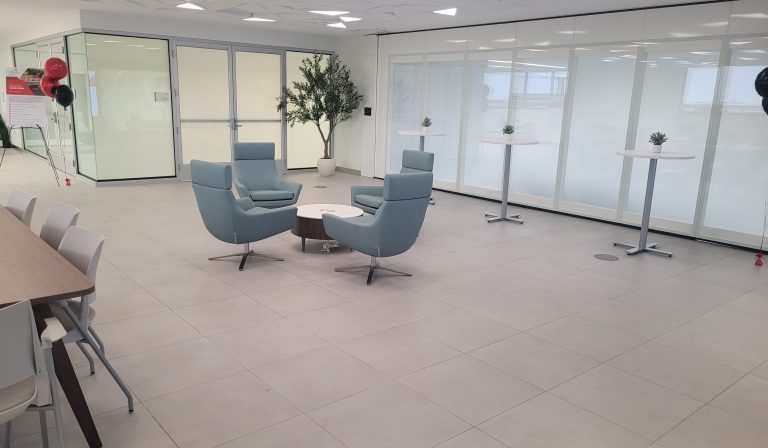
Scenario: At TPC River’s Bend, ceramic tile flooring was installed in dining and common areas. Facility managers valued its cost-effective installation and easy maintenance. Industry insights show ceramic tile remains a budget-friendly flooring solution without compromising durability or performance.
To see more of our work and how we approach similar installations, view our retail flooring page.
Eco-conscious restaurants often prioritize sustainability in design choices. Flooring can reflect these values.
Renewable, stylish, and durable.

Eco-friendly and slip-resistant.

Comfortable, sustainable, and naturally antimicrobial.
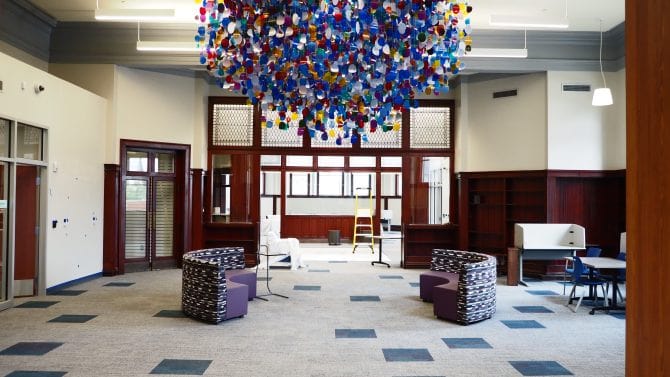
Proper maintenance extends flooring lifespan and preserves appearance.
A fine dining restaurant should schedule quarterly professional cleanings for its hardwood floors. The investment will preserve the flooring’s elegance and impress guests. Industry standards recommen routine maintenance as essential for maximizing flooring performance in restaurants.
.
Experts emphasize that flooring choices should align with restaurant operations. The National Restaurant Association notes that flooring impacts safety, efficiency, and customer perception. Flooring suppliers like Armstrong Flooring highlight LVT and tile as top choices for durability and design flexibility.
Statistics show that restaurants replacing flooring every five years spend significantly more than those investing in durable options upfront. Case studies reveal that restaurants choosing resilient flooring materials reduce maintenance costs by up to 30 percent annually. Trustworthy suppliers and publications consistently recommend balancing aesthetics with practicality when selecting flooring.
Consider a family-owned Italian restaurant in Ohio. They initially installed carpet in the dining area for warmth. Within two years, stains and wear forced a costly replacement. Switching to LVT solved the problem, offering durability and easy cleaning while maintaining a cozy atmosphere.
Another example comes from a sushi bar in Kentucky. The owner chose polished concrete to match the minimalist design. Customers loved the sleek look, but staff complained about fatigue. Adding cushioned mats behind the counter solved the issue, proving that flooring decisions must balance aesthetics with employee comfort.
The best commercial flooring options for restaurants depend on unique needs, themes, and budgets. Durable materials like LVT and tile withstand heavy traffic. Hardwood and patterned tiles enhance ambiance. Vinyl and laminate provide cost-effective solutions, while bamboo and cork support sustainability. Proper maintenance ensures longevity and safety.
Restaurant owners should evaluate traffic levels, design goals, and budget before making a decision. Flooring is more than a surface—it’s part of the dining experience. Choosing wisely elevates ambiance, supports staff efficiency, and impresses customers.
Discover additional insights on commercial flooring systems, installation methods, and performance considerations across various industries.
Copyright © 2026 IPRS Consultants. - All rights reserved.