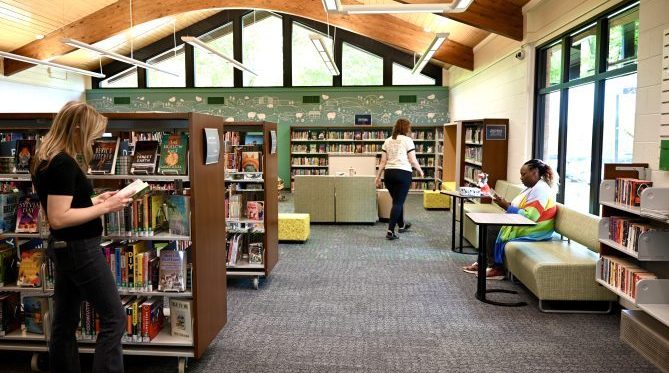
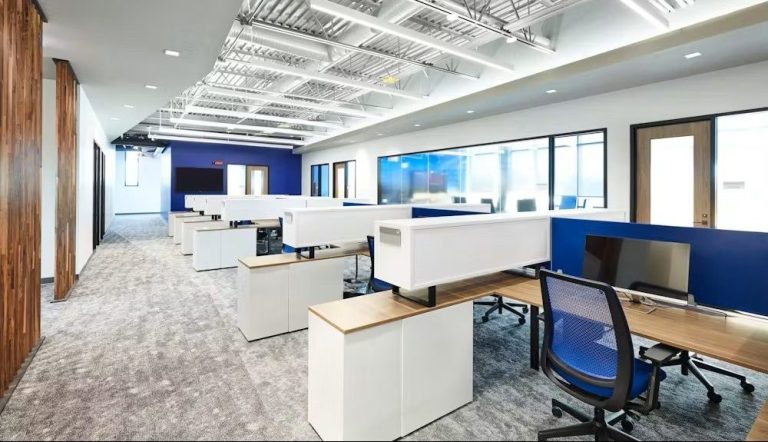
Every district facilities team knows the shape of the summer window. The last students leave in late May or early June. The doors reopen in August on a date nobody can move. Everything that needs an empty building has to fit in between: flooring, painting, HVAC, IT, roofing, deep cleaning, and the long list of repairs that couldn’t happen with a thousand people in the building.
We’ve been installing commercial flooring across Ohio, Kentucky and Indiana for 30+ years, and the pattern with school projects is consistent. The ones that go smoothly were decided early. The ones that go badly were decided in the spring, and spent the summer running out of time.
An empty school is a completely different job site.
There’s no phasing around class schedules, no containing dust away from occupied rooms, no working in two-hour blocks after the last bus leaves. Crews get full access to corridors and classrooms at once. Adhesives and self-leveling compounds get the cure time they actually need, without students walking across them the next morning.
That combination is why districts push to fit flooring into summer, and why the window fills up so fast.
The summer is shorter than it looks. Several things take time out of it before a single tile goes down.
Material lead times. Commercial flooring is rarely sitting on a shelf waiting. Specified products, especially custom colors, patterns or specialty systems, are ordered against a schedule. A late decision in spring can mean material arriving in July for a project that needed to start in June.
What’s under the old floor. Many older school buildings still have original floor tile and adhesive in place. Under the federal Asbestos Hazard Emergency Response Act (AHERA), public school districts are required to inspect for asbestos-containing material and maintain a management plan. Removal isn’t usually required unless the material is going to be disturbed, and replacing a floor disturbs it. If testing and any abatement haven’t been scheduled ahead of time, they come out of the same summer weeks as the installation.
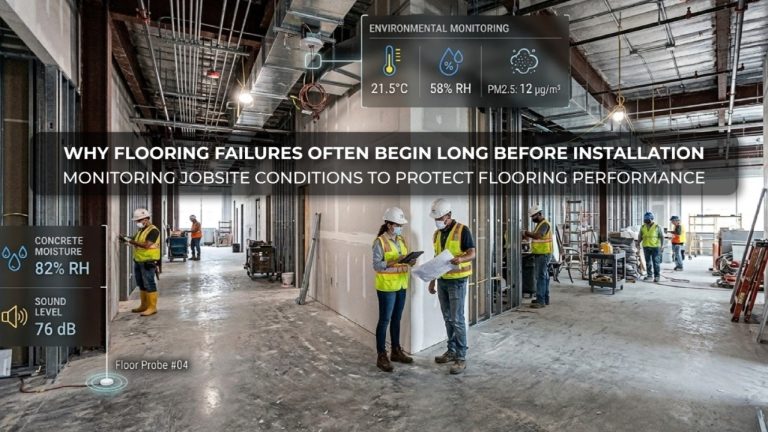
The substrate. Once the old floor is up, the slab underneath has to be assessed, cleaned, leveled and tested for moisture before the new floor goes down. That work takes days, and it’s the part most often missing from a compressed schedule. As we’ve written about before, flooring failures often begin long before installation, and a rushed summer is exactly where that happens. Proper demolition and floor preparation needs its own place in the plan, not whatever time is left over.
Every other trade wants the same weeks. HVAC upgrades, painting, ceiling work and technology installs all compete for the empty building. Flooring usually goes in near the end, after the dust-generating trades are finished. When anything earlier in the sequence runs late, flooring is the scope that gets squeezed.

It feels early to be thinking about next summer in the fall. It isn’t.
Districts are setting budgets and capital priorities now. Scope has to be defined, specifications written, bids issued, submittals and samples approved, and material ordered. Each step takes time, and most of them involve people outside the facilities team: boards, business offices, architects, general contractors.
The districts that have all of that settled before winter break are the ones with real choices in spring: which contractor, which weeks, which products. The ones still deciding in March are choosing from whatever’s left.
A summer flooring project planned in October should answer a handful of questions early:
That last question matters more than it sounds. Decisions made early shape how a building performs for years, and a clear fallback plan is what stops a tight summer from forcing a rushed install.
Missing the summer isn’t the end of a project. It changes how the project runs.
Flooring can be installed in an occupied school. It means working evenings, weekends, and holiday breaks, or moving section by section so classes carry on around the work. Low-VOC adhesive systems and careful containment make that possible, and we plan occupied-building installs around the academic calendar regularly.
But it takes more coordination, more phases and more patience from everyone in the building. It works best as a deliberate choice, not a rescue for a summer that ran out.
Summer is the best time to install a school floor. October is the best time to decide one.
The work that makes a summer project succeed happens months before the building empties: scope, testing, specification, procurement and scheduling. Get those settled now, and the summer is spent installing floors rather than waiting on them.
That’s the difference a trusted partner makes on a school project. Not just a crew that shows up in June, but a team that helps plan the job long before.
Axis Interior Systems installs K-12 and higher education flooring across Ohio, Kentucky and Indiana, with summer, phased and occupied-building schedules planned around each district’s academic calendar.
Discover additional insights on school flooring systems, installation methods, and performance considerations across various industries.
Copyright © 2026 IPRS Consultants. - All rights reserved.